Krankenstand: Krankmeldung ab Tag eins: Warum die Attestpflicht Unternehmen nicht unbedingt hilft
Die Berliner Koalition will Beschäftigte künftig schon am ersten Krankheitstag zum Arzt schicken. Befürworter hoffen auf weniger Fehlzeiten. Die Arbeitsministerin bezweifelt, dass der Plan aufgeht.
The German government aims to reduce sick leave days in the country, which they consider excessively high. This stands to cost businesses significantly, with companies paying around 85.6 billion euros for employee wage continuation in 2022, up from 54 billion euros a decade earlier. Chancellor Friedrich Merz (CDU) is pushing for stricter rules, demanding employees see a doctor on the first day of illness.
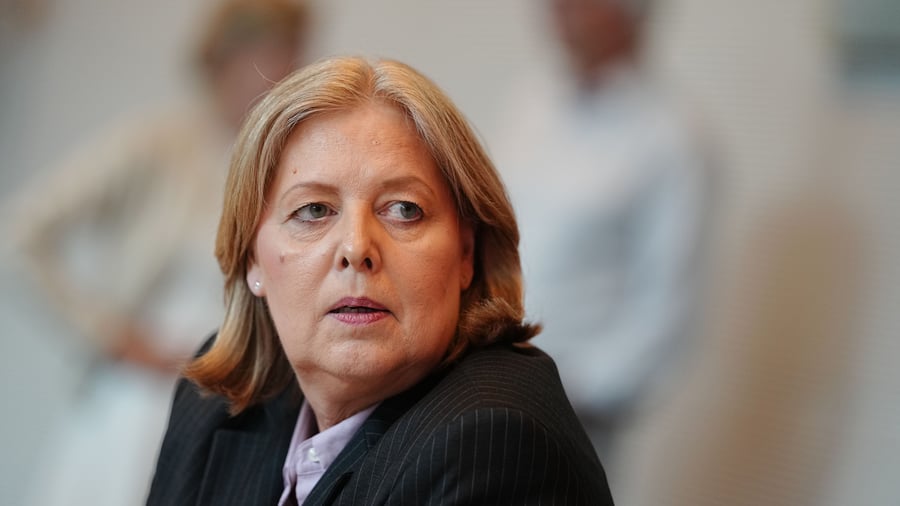
The government now wants a doctor's note starting from the first day of sickness, hoping to cut absenteeism. However, CDU's inclusion of this idea in the coalition comes with debate over its effectiveness. SPD's Health Minister Bärbel Bas opposes the rule, fearing it may force people to visit a doctor too early for just one day, potentially leading to unnecessary absences.
Economists like Nicolas Ziebarth from the Leibniz-Zentrum für Europäische Wirtschaftsforschung (ZEW) support the Union's idea, suggesting that stricter rules could lead to fewer absences, backed by a Swedish experiment where employees took shorter sick leaves when they didn't need a doctor's note until the 15th day. Yet, the German data on this topic is scant.
A recent Yougov poll commissioned by the trade association VdK found that 14% of respondents would be more likely to go to work sick to avoid the doctor's visit, while 21% would opt for an extended sick leave. However, this survey only captures hypothetical intentions and not actual behavior. Ziebarth emphasizes that while theory suggests a reduction in absences, real-world outcomes may vary.
The skepticism from some companies, like Ziehl-Abegg, a ventilation manufacturer in Baden-Württemberg, adds another layer to this complex issue. They already avoid requiring a doctor's note on the first day of illness, fearing the reform would only burden practices and increase costs for health insurance. Moreover, the implementation of this new rule remains unclear, particularly concerning digital check-ins and the role of video consultations in managing this new regulation.
Written by urgent.news from Handelsblatt's reporting — not their text. Machine-written — may contain errors; check the original before relying on it.