Karnataka embarks on cloud seeding as dry spell threatens to worsen
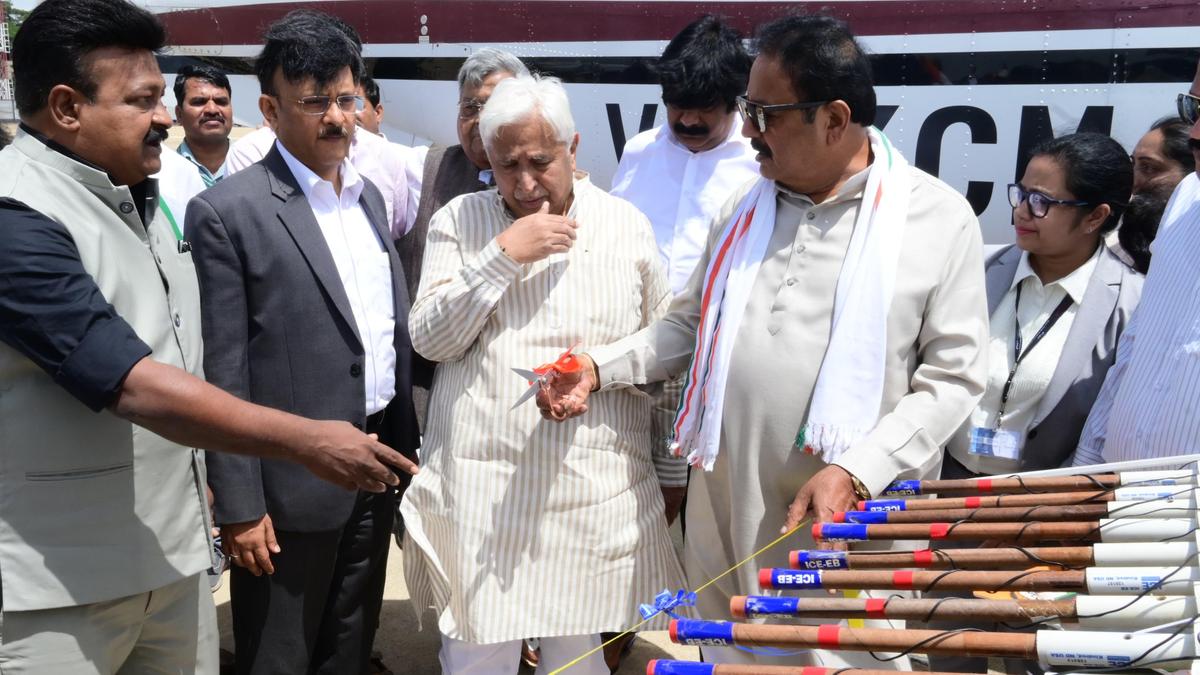
The Karnataka government has recently initiated a cloud-seeding program in response to a severe drought that has left many areas facing a significant rainfall deficit. The program was inaugurated at the HAL airport by Water Resources Minister N. Cheluvarayaswamy, according to a government statement. A specially equipped light aircraft will be utilized for the operations, and the project is projected to cost ₹28.52 crore.
Although an earlier cloud-seeding operation achieved a success rate of just 35%, the minister emphasized that every effort to boost water availability is crucial given the worsening drought conditions. He noted that the state has received a meager amount of rainfall this year, with the southwest monsoon expected to conclude by the end of the month.
"If sufficient drinking water is not stored by the end of this month, there will be severe scarcity until the end of next June," Mr. Cheluvarayaswamy cautioned.
To oversee the operation, a monitoring committee has been established, while a technical advisory and evaluation committee will provide guidance and update information every two hours on the optimal locations and methods for cloud seeding. The government will not pre-select specific districts for cloud-seeding; instead, based on continuous reports from the technical team, aircraft will be deployed to areas experiencing rainfall shortages, major reservoir catchments, and districts grappling with agricultural distress when suitable clouds are detected using Doppler radar.
The technical process entails dispelling chemicals into cumulonimbus clouds via flares to stimulate rainfall from the moisture they hold. Various chemicals, such as silver iodide, potassium iodide, dry ice, and sodium chloride, are commonly employed for cloud seeding, depending on whether the clouds are warm or cold.
Written by urgent.news from The Hindu's reporting — not their text. Machine-written — may contain errors; check the original before relying on it.