It shouldn’t feel impossible to finish a book
A horror story of sorts is unfolding in the United States. It goes like this: AI has made it so effortless to access information, and short-form video has made it so easy to entertain ourselves, that nobody reads anymore. If you’re familiar with this tale, it’s possible, ironically, that you read about it. A viral […]
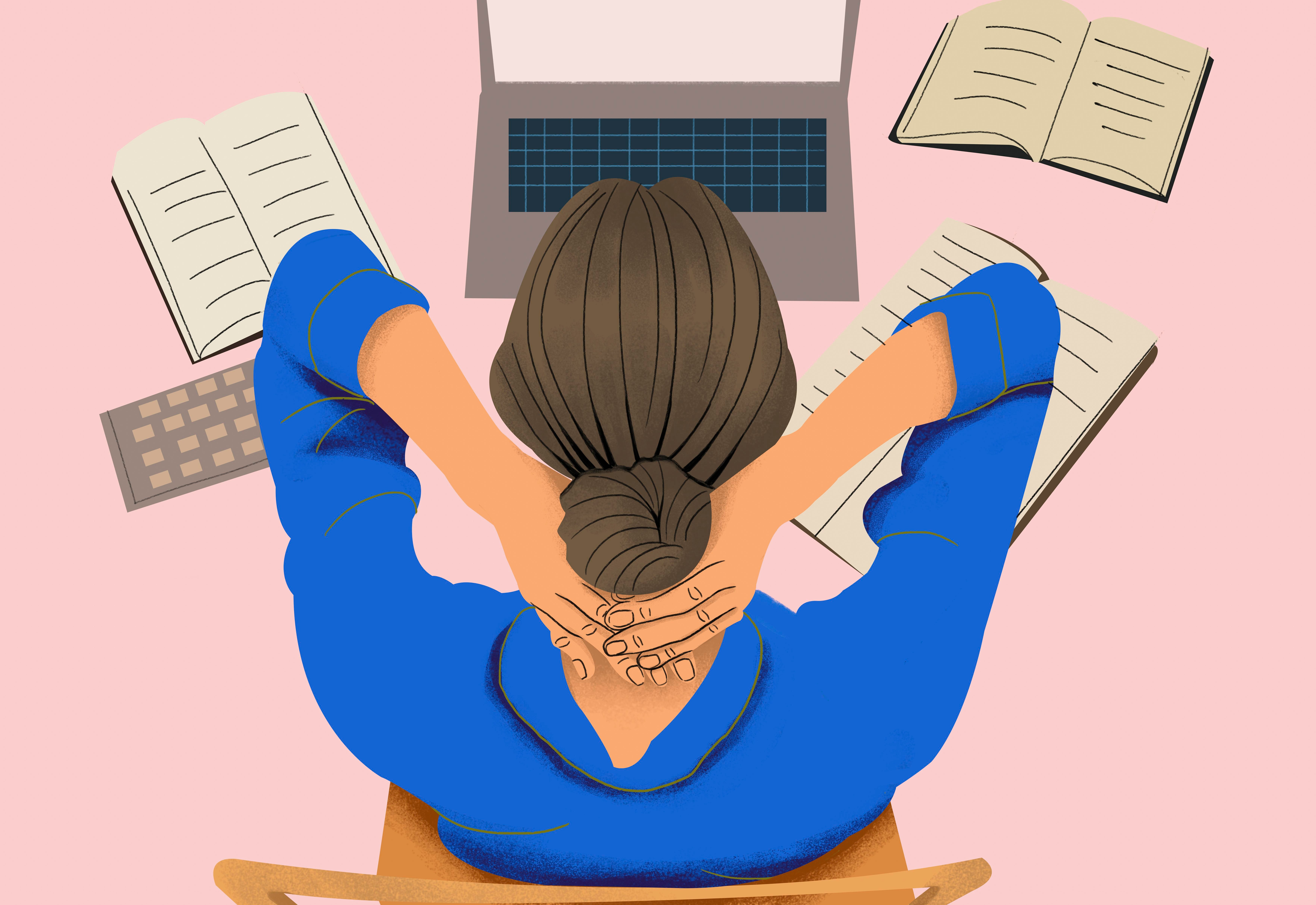
In the United States, a chilling narrative unfolds as artificial intelligence renders information access effortless, and short-form video easily entertains us. Thus, it seems that reading has become obsolete. This idea was highlighted by a viral Atlantic article earlier this summer, which proclaimed, "The End of Reading Is Here."
Teachers and professors no longer assign entire books to students, opting instead for excerpts that adequately prepare them for standardized tests. The piece warned about the onset of a "postliterate era," a cultural and personal crisis for many. Professor Leah Price, an Oxford scholar and author of "What We Talk About When We Talk About Books," explained that the real obstacle to reading lies not in the material, but in the limited time people have.
The essence of the matter is that reading is evolving, not vanishing. The real issue is the competition for people's time and attention. Print books provide a unique challenge, while e-readers and audiobooks make reading more accessible, albeit less immersive. Leisure reading should be enjoyable, allowing readers to skim, skip, or abandon books when necessary.
The habit of reading is crucial in a society obsessed with self-improvement, as it enhances language skills, exposes readers to new knowledge, relieves stress, promotes empathy, and combats cognitive decline. Notably, reading benefits children as well. Importantly, reading is also fun. Despite these advantages, the reading habit is at risk.
The Pew study from 2025 revealed that the number of Americans reading books remains stable, but the methods have evolved. The majority of books remain print, yet e-books and audiobooks are growing in popularity. Print book sales are rising, particularly in science fiction and self-help genres, and e-book and audiobook library loans have hit a record 820 million last year.
However, there is a silver lining. Reading is a skill that can be strengthened; the more one reads, the better one becomes. This personal habit can even improve the quality of information that algorithms feed us. To become a better reader, reducing friction is key. E-books offer a convenient, frictionless experience, as seen with the Kindle Paperwhite, which is portable and waterproof.
Advanced devices like the Kobo Libre Colour provide color displays and interactive features. The Libby app further simplifies accessing e-books from local libraries, allowing users to borrow and download books instantly, streamlining the reading process and minimizing distractions.
Written by urgent.news from Vox's reporting — not their text. Machine-written — may contain errors; check the original before relying on it.