Isle of May puffin numbers plummet after extreme weather
Researchers said numbers in one of the UK's most significant colonies of the seabirds may have fallen by 30%.
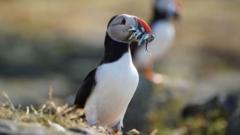
Conservationists have expressed alarm over a 30% decrease in puffin numbers at one of the UK's largest colonies, the Isle of May, off the coast of Fife. The decline follows a decrease in food supply and extreme weather conditions, according to NatureScot and the UK Centre for Ecology & Hydrology. The joint survey found that the number of burrows occupied by puffins dropped from 52,000 in 2024 to 36,500 during the summer study.
Violent storms were also suspected to have killed some of the birds, while rising ocean temperatures harmed populations of their primary food source, sand eels. Isle of May, a national nature reserve since 1956, is home to nearly 300 bird species, with puffins being a significant attraction. Manager David Steel likened the current situation to the early 2000s when puffin numbers fell before recovering in the 2010s.
The drop is attributed to pressures on seabird food supplies, poor winter survival, and extreme weather events. Field manager Mark Newell expressed concern that future extreme weather could impact puffin breeding, as climate scientists predict more frequent and severe climate events.
Written by urgent.news from BBC Science's reporting — not their text. Machine-written — may contain errors; check the original before relying on it.