Inside the mind of Singeetham Srinivasa Rao: a masterclass in storytelling
Veteran filmmaker and an instinctive writer, Rao has spent several years exploring the possibilities of storytelling — across languages, genres and forms. At 95, he remains as curious about cinema as he has always been
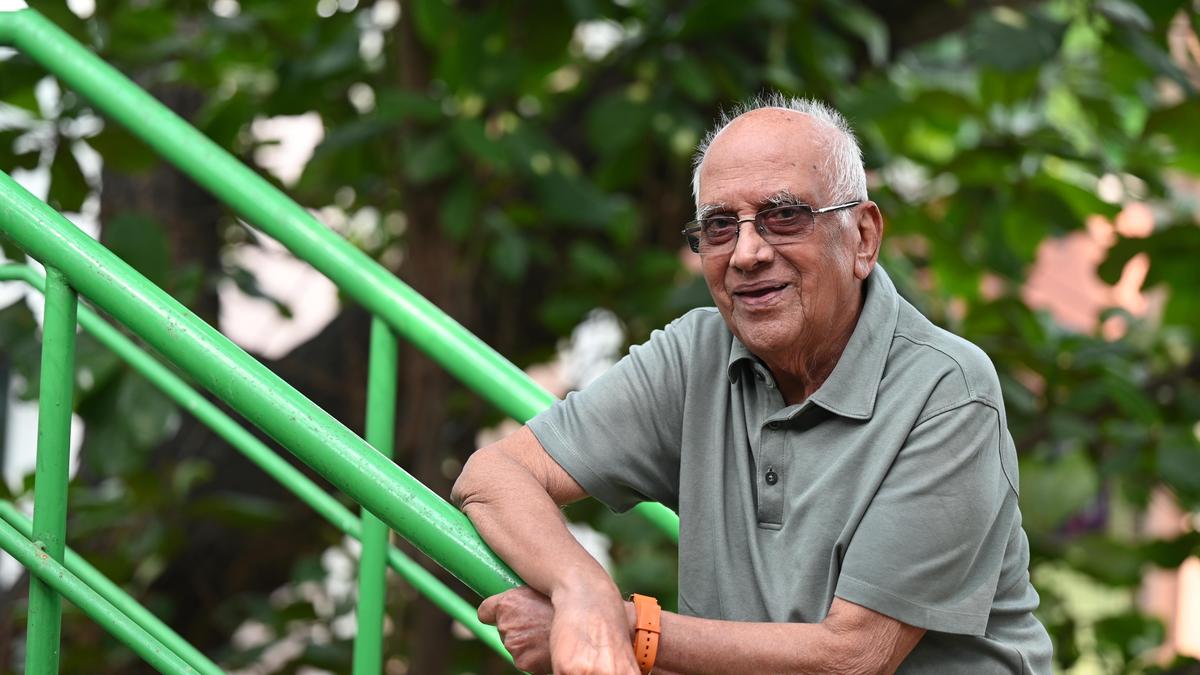
Singeetham Srinivasa Rao, a 95-year-old master of storytelling, shared his insights into the craft during an interview. He explained that every storyteller has a single story, and it's just a matter of finding different ways to express it. Kamal Haasan, a fellow collaborator, once likened it to "one man in another man’s shoes."
Rao's stories often begin by challenging a character's identity or place in the world, as seen in films like Shekhar and Ranga in Sommokadidhi Sokokadidhi. He emphasized that the starting point for any story is an idea, such as the concept of music in everyday life for Sing Geetham or paying tribute to the era of silent films and Chaplin for Pushpak. One of Rao's earliest influences was H.G. Wells and the Back to the Future films, as well as Mark Twain's A Connecticut Yankee in King Arthur's Court.
In terms of writing, Rao believes in going with his conviction and trusting the details he writes down. He stresses the importance of scene headers like INT./EXT. LOCATION - DAY/NIGHT, which guide the production and camera departments. He also employs contrast to create comedy in his films, as demonstrated by the Finance Minister's speech and the scene with scatological humor in Pushpak.
Rao's instinctive writing style allows him to explore traditional wisdom and universal truths through an everyday lens. He suggests that young filmmakers can discover their own voice by taking a proverb or saying and turning it into a modern story. Throughout his career, Rao has continued to watch films, learn from them, and find inspiration in the little details that make stories engaging and memorable.
Written by urgent.news from The Hindu's reporting — not their text. Machine-written — may contain errors; check the original before relying on it.