Individuals with psychotic spectrum disorder are less successful in recognizing the emotions of others
A recent study finds that people with psychotic spectrum disorders who have a history of aggression are significantly less accurate at recognizing emotions than non-aggressive patients or healthy individuals, often misidentifying negative social cues as positive ones.
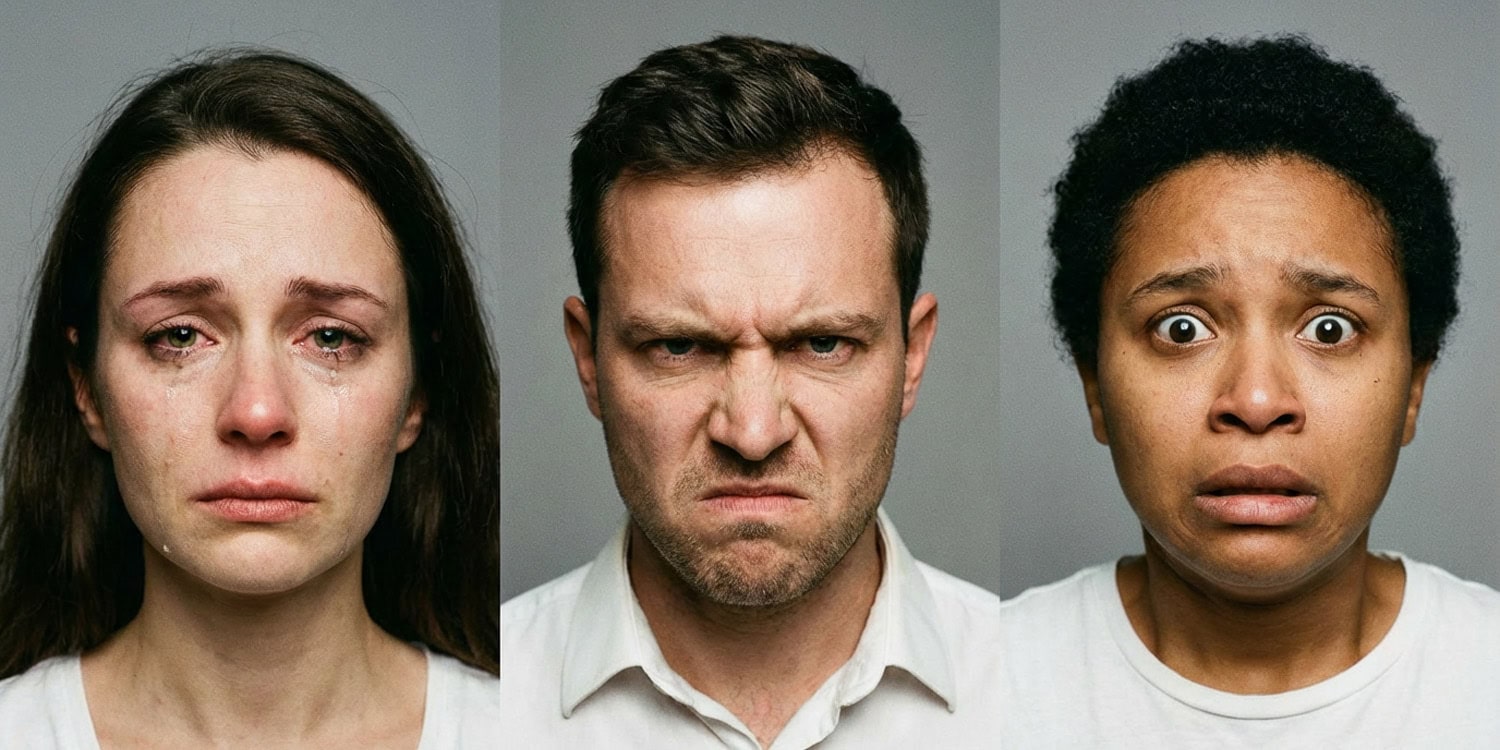
A recent study from Sweden has revealed that individuals with psychotic spectrum disorder struggle more than others to accurately recognize the emotions of those around them. The research, published in the journal Schizophrenia, suggests that those with a history of interpersonal aggression are particularly impacted by this emotion recognition impairment.
Emotion recognition is crucial for social interaction, as it enables people to interpret facial expressions, tone of voice, and body language to understand others' feelings. When this skill is diminished, misinterpretations and misunderstandings are more likely to occur, which is especially problematic in psychotic spectrum disorders.
These disorders encompass a range of conditions characterized by symptoms like delusions, hallucinations, disorganized thinking or behavior, and impaired reality testing. Schizophrenia, along with related conditions, falls under this classification. The impairments in emotion recognition found in these individuals are not confined to static facial expressions but can also extend to interpreting dynamic social signals such as changing facial expressions, body movements, or gestures.
The difficulties in recognizing emotions, particularly negative ones, are more pronounced in those with psychotic spectrum disorder who have a history of interpersonal aggression. This misclassification can lead to a failure to recognize negative social cues, potentially resulting in individuals getting drawn into escalating situations.
The study, led by Gabriela Gavalova, aimed to compare the emotion recognition abilities of healthy individuals and those with psychotic spectrum disorders, further segmenting the latter group into those with and without a history of interpersonal aggression. Participants were 79 individuals with psychotic spectrum disorder and a history of aggression, 72 with psychotic spectrum disorder but without such a history, and 86 healthy individuals.
The researchers presented emotions in three different modes—visual (video without sound), auditory (sound only), and multimodal (video with sound). The results indicated that while all three groups could recognize emotions better than random guessing, participants with a history of interpersonal aggression were significantly less accurate in recognizing negative emotions.
Healthy individuals were more accurate than both the aggressive and non-aggressive psychotic spectrum disorder groups. The study also found that participants with psychotic spectrum disorder and a history of aggression were particularly prone to misclassifying positive emotions as negative, which could hinder their ability to interpret and respond appropriately to social situations.
Written by urgent.news from PsyPost's reporting — not their text. Machine-written — may contain errors; check the original before relying on it.