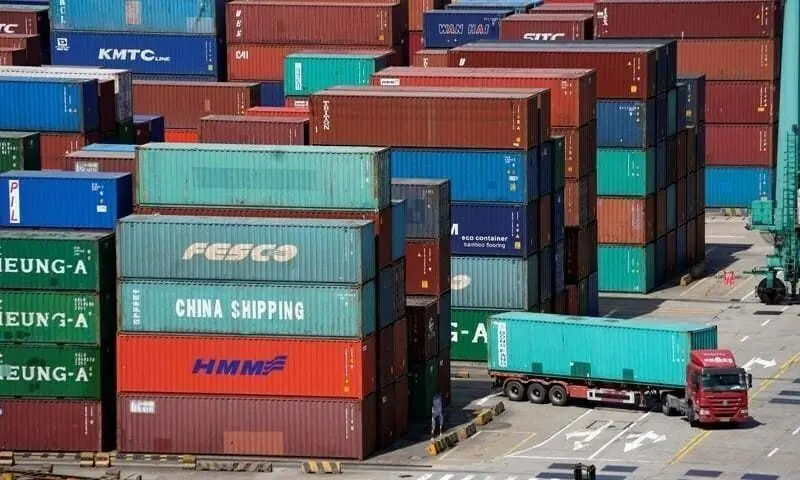
India’s economy is booming on paper — so why is its GDP figure under scrutiny?
NEW DELHI, Sept 4 — India’s stronger-than-expected economic growth figures have come under scrutiny after a...
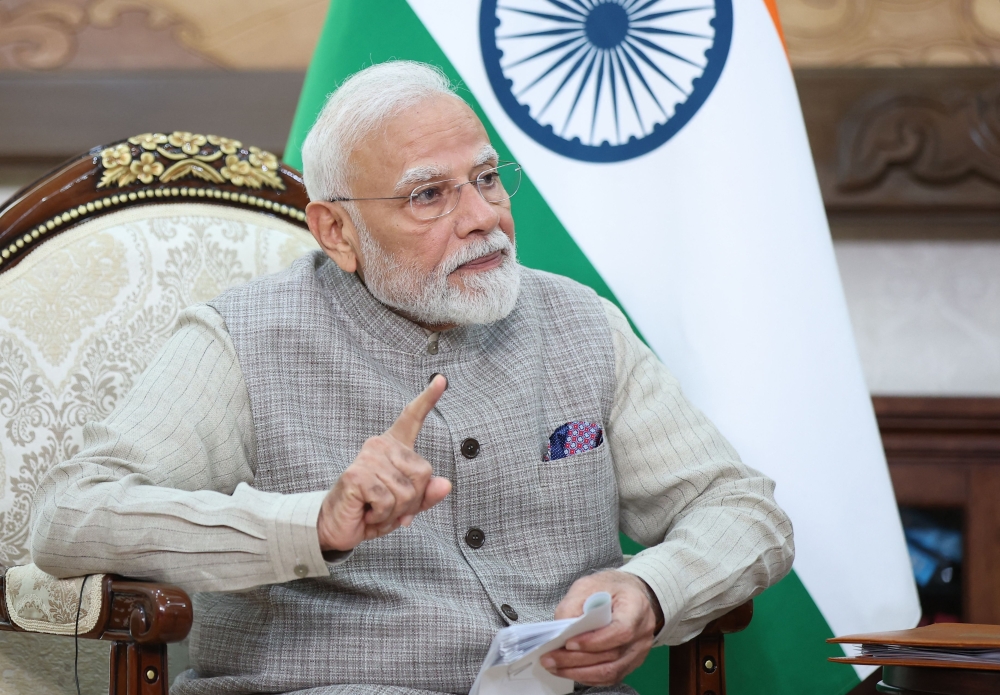
NEW DELHI, Sept 4 — India's economic growth figures have been thrust into the spotlight following claims by a former senior finance ministry official that the headline 7.8% growth rate may have been inflated due to changes in past data. The April-June quarter saw India report a higher-than-expected GDP growth, providing Prime Minister Narendra Modi's government with an opportunity to demonstrate the economy's resilience.
The criticism centers around a new framework for calculating economic output introduced in February. Subhash Chandra Garg, the former finance secretary, argues that the growth figures have been unfairly boosted because they were calculated on a lower base for the same period a year earlier. Under the revised calculations, nominal GDP for the April-June quarter of 2025 dropped from approximately 86 trillion rupees to 80 trillion rupees, which raises the growth rate, according to Garg. He claims that the adjustments have introduced distortions in sector-level performance.
In response, the government countered that the revisions were routine and denied any intent to manipulate the growth figures. Indian officials explain that the changes stem from a broad statistical overhaul announced in February, when the country shifted its base year from 2011-12 to 2022-23. The amendments also incorporated new data sources and more accurate methods for adjusting inflation, which the government believes are necessary to better reflect the evolving nature of the economy.
The issue has gained additional attention due to Garg's frequent criticism of the Modi government since leaving office in 2019. The opposition Congress party seized upon Garg's comments, accusing the government of "fudging" the numbers to conceal the "real economic distress" in the country. The dispute taps into broader concerns about transparency and accountability, while also reigniting a long-standing debate over whether robust economic growth is translating into sufficient quality jobs for India's rapidly growing workforce.
Written by urgent.news from Malay Mail's reporting — not their text. Machine-written — may contain errors; check the original before relying on it.