Indian researchers map colonial spider’s venom gland, uncover molecules with potential for future cancer and antimicrobial drug research
The researchers cautioned that the findings represent an early stage of biomedical research and require extensive validation before any clinical application becomes possible
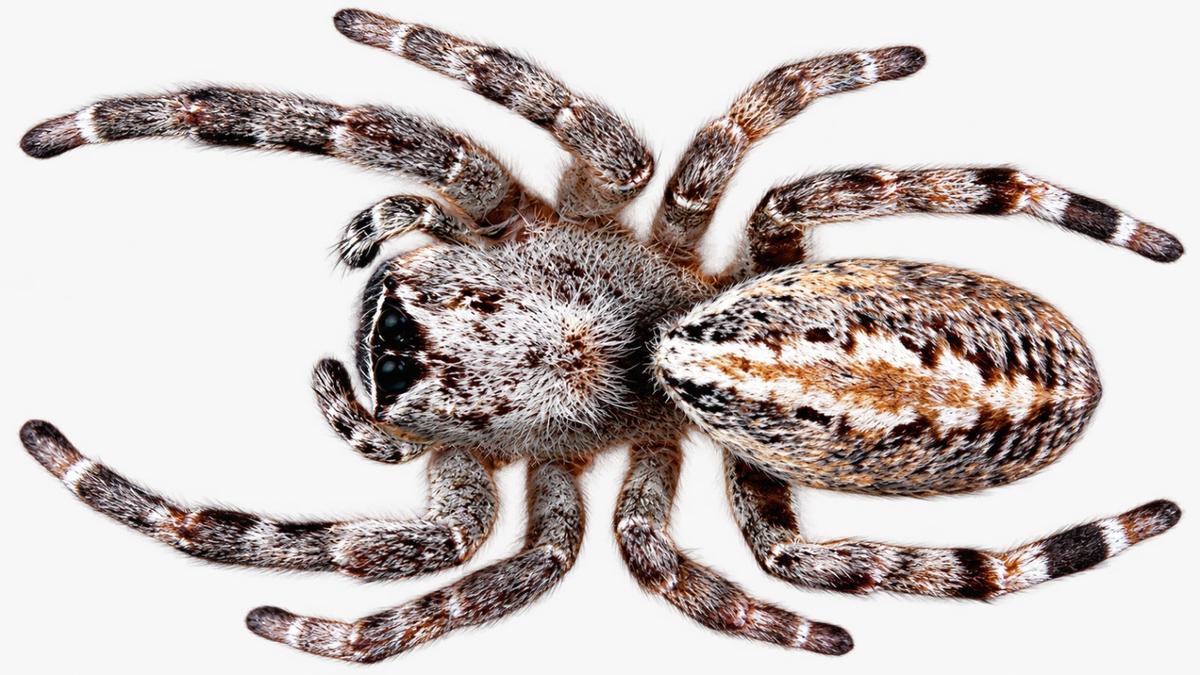
A team of Indian researchers, led by A.P. Ajay Kumar from the Department of Zoology at Sree Neelakanta Government Sanskrit College, Pattambi, has conducted a comprehensive study on the venom gland of Stegodyphus sarasinorum, a colonial spider species native to the Indian subcontinent. The study, published in Springer Nature’s open-access journal Scientific Reports, aimed to identify the molecular composition of the venom gland and determine its potential for drug discovery.
The research employed an integrated multi-omics approach, which included transcriptomics, proteomics, metabolomics, and Confocal Raman Spectroscopy. The analysis revealed 31 proteins through transcriptomic profiling and 32 proteins through proteomic analysis, along with 81 metabolites detected via Ultra High-Performance Liquid Chromatography-Mass Spectrometry (UHPLC-MS).
The venom gland extracts demonstrated cytotoxicity towards Dalton’s Lymphoma Ascites (DLA) cancer cells, exhibiting dose-dependent effects. This indicates that the venom gland contains molecules with potential anti-cancer properties. Among the significant findings were several protein families already known for biomedical relevance, such as hemocyanin proteins, which are involved in immune responses and have potential applications in cancer immunotherapy.
Additionally, the study identified U12 and U20 lycotoxins, which can disrupt bacterial and cancer cell membranes, making them promising candidates for the development of antimicrobial peptides and targeted anti-cancer compounds. Despite these promising results, the researchers caution that the findings represent an early stage of biomedical research and require extensive validation through additional studies in cancer models, healthy cells, animals, and eventually, clinical trials before any therapeutic use can be considered.
Written by urgent.news from The Hindu's reporting — not their text. Machine-written — may contain errors; check the original before relying on it.
This story
This is one outlet's version. Read the fullest account.