I brought my brown lawn back to life using these 5 recovery steps
How to restore a heat-scorched lawn after a brutal summer: 5 simple tasks to bring back the green.
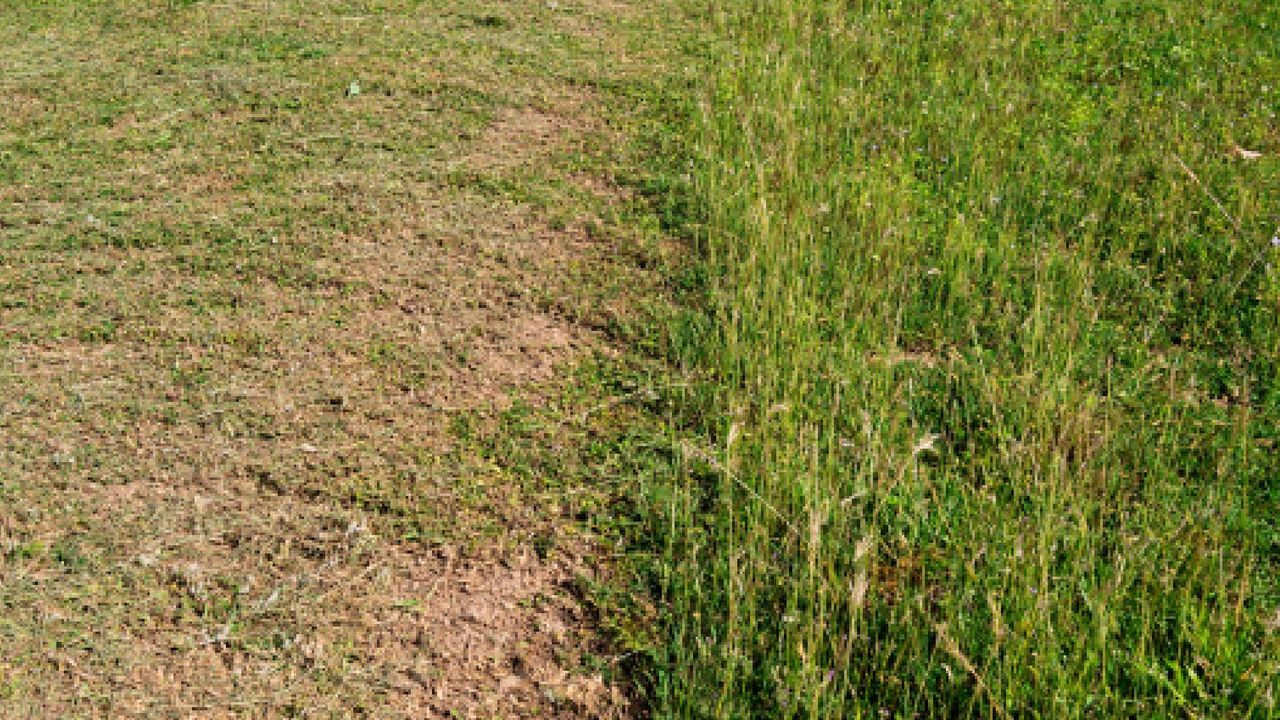
After the heatwave and strict watering restrictions left my yard looking like a doormat, I was determined to bring it back to life. I knew that a brown lawn was usually just dormant and playing defense, but with the right recovery plan, it could flourish again before winter arrived. Here are the five steps I followed to transform my drought-damaged lawn into a lush, resilient yard.
First, I aerated the compacted soil. Heat and foot traffic during summer had made the soil hard and restricted water and oxygen from reaching the roots. To aerate, I rented a machine or used a manual aerator or garden fork. Aeration creates pathways for water, oxygen, and nutrients to reach the roots, making it easier for the lawn to recover during its peak growing season.
Next, I overseeded the bare patches and thin areas. The heat stress had created holes in the grass where it had died back completely. To address this, I lightly raked the dead material out of the bare spots to remove thatch and allow the seeds to make contact with the soil. I then scattered new grass seed over the thin areas and kept the soil consistently moist until the grass established. Consistency was key, as uneven watering disrupted germination.
After overseeding, I focused on watering deeply rather than frequently. Shallow watering encouraged weak roots that couldn't access moisture during future droughts. Instead, I watered once every few days, applying enough water to soak six inches down. Early morning or late evening watering minimized evaporation and reduced the risk of scorching.
Next, I applied a quality slow-release fertilizer as the grass began active growth again. Heat and drought had depleted the soil of nutrients, leaving the grass unable to grow vigorously. The fertilizer provided nitrogen, phosphorus, and potassium that heat stress had depleted. By replenishing these essential nutrients, the fertilizer helped the grass shift from survival mode to genuine recovery and growth.
Finally, I applied liquid seaweed to strengthen the roots. Liquid seaweed conditions the soil while encouraging deeper root growth and improving nutrient uptake. Regular applications helped the grass recover faster from heat stress and build resilience against future droughts. Applying seaweed every three to four weeks during the growing season ensured healthier roots, which retained moisture better, stayed greener during dry periods, and recovered more quickly when conditions improved.
Written by urgent.news from Tom's Guide's reporting — not their text. Machine-written — may contain errors; check the original before relying on it.