Hyderabad’s art scene is finding new ways to make itself seen
How a city with no art ecosystem is slowly and steadily nurturing a vibrant world balancing the regional identity while engaging with a globalised art world
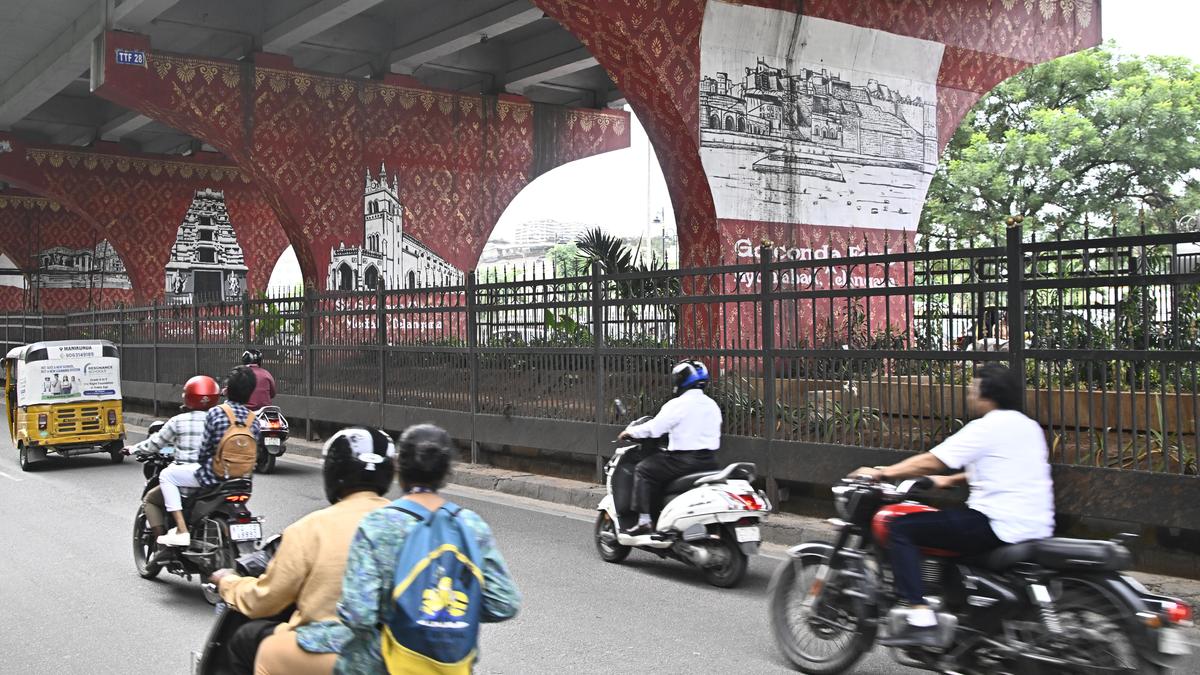
Hyderabad’s thriving art scene is expanding its reach beyond traditional galleries, incorporating installations, video art, experimental media, public installations, and wall art, among other forms. Over the past five decades, the city has transformed from having no art scene to becoming a vibrant hub for artists and creative expression.
Laxma Goud, an 86-year-old artist, reminisces about the lack of art scene and practicing artists in the city 50 years ago. One of the city’s pioneering artists, Pakhal Tirumal Reddy, also known as PT Reddy, launched a collaborative studio with Laxma Goud and Devraj Dakoji in a garage in Himayatnagar. The trio initially worked on batik art, but shifted to original work after receiving critical advice from art historian Jagdish Mittal.
Traditionally, Hyderabad’s art was rooted in figurative and cultural influences. Artists such as Laxma Goud and Thota Vaikuntam were heavily influenced by the region’s culture and people. Meanwhile, Surya Prakash introduced abstract art to the city, but it took time to gain a wider audience. Avani Rao Gandra, founder of Iconart gallery, explains that interest in contemporary art was prevalent in Mumbai and Delhi due to social and cultural conditions, but Hyderabad was steeped in its own tradition of art, particularly in the Lepakshi painting style known for its narrative murals.
Institutions like Lalit Kala Akademi and Hyderabad Art Society played a vital role in nurturing artists through their initiatives. The driving force behind the city’s art scene was LN Gupta, an administrator associated with the Industrial Exhibition Society, known for his love for art and aesthetic appreciation. Historically, artists in Hyderabad had limited options for showcasing their work, with options such as Kala Bhavan on the Ravindra Bharati premises or the German centre, Max Mueller Bhavan, providing few opportunities for solo exhibitions.
Anjani Reddy, a septuagenarian artist, recalls that only outstation artists could hold solo exhibitions at the German centre.
Back then, there were hardly any private buyers in the city, and pursuing a career in art was challenging as there was no means of livelihood for artists. However, the launching of Surya Art Gallery by Surya Prakash in the early 1990s provided a platform for artists, and gallery spaces gradually grew. Anjani Reddy, among the first to hire a studio in 1987, attributes the transformation of the art landscape to a younger generation exposed to museums and galleries while traveling abroad.
Avani Rao Gandra attributes the shift to a global outlook among a younger generation. However, with the rise of galleries and exposure on social media, footfalls in galleries have become low due to instant gratification, making it challenging for galleries to sustain interest and engagement.
Written by urgent.news from The Hindu's reporting — not their text. Machine-written — may contain errors; check the original before relying on it.