How to keep your kids safe at petting zoos
Here’s what we know about the infection risk at petting zoos, and what parents can do to help keep their children safe.
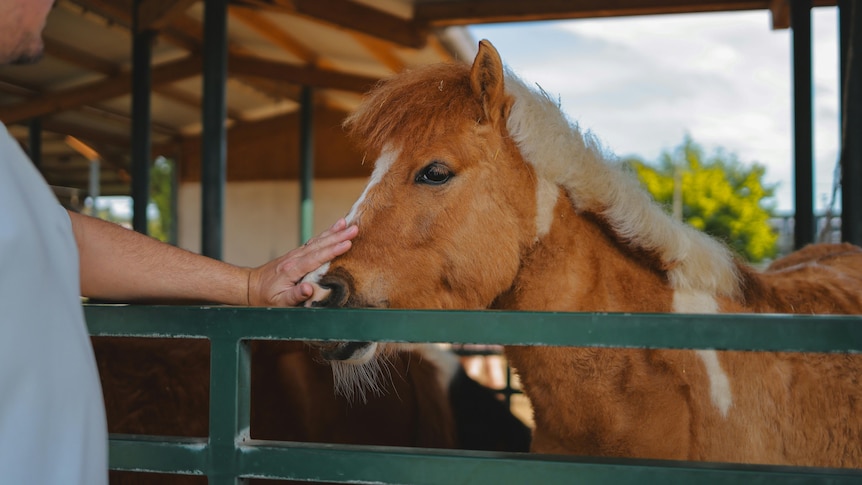
A three-year-old girl tragically passed away from a rare illness after visiting a petting zoo in Victoria. She suffered from brain damage and kidney failure due to haemolytic uraemic syndrome, a serious condition caused by a specific type of Escherichia coli bacteria. This infection can be transmitted through contact with animals on farms or petting zoos.
Although such cases are uncommon, they highlight the importance of hygiene precautions when visiting petting zoos. As a microbiology lecturer, I plan to visit a petting zoo with my family next weekend and wanted to share information on infection risks and how to keep children safe.
Haemolytic uraemic syndrome is typically caused by E. coli that produce Shiga toxin. Early symptoms include nausea, stomach cramps, vomiting, and bloody diarrhea. If left untreated, it can lead to kidney failure, high blood pressure, seizures, and even death. Blood, stool, and urine tests are required for diagnosis. Treatment involves hospitalization, dialysis, and blood transfusions.
Bacteria responsible for this syndrome can spread through contaminated food, water, and direct contact with animals. Children are at higher risk as they often put their hands in their mouths. Cattle, sheep, and goats are known reservoirs for Shiga-producing E. coli. Petting zoos and open zoos have been identified as potential risks for microorganisms like Salmonella, Campylobacter, and Cryptosporidium, which can cause gastroenteritis.
Despite occasional symptomless exposure, petting zoos offer valuable educational experiences for children. The Australian Veterinary Association supports petting zoos with proper management of animal health, welfare, public safety, and disease transmission risks. Hygiene plans include clear communication of infection risks, accessible handwashing facilities, and physical separation between animal-contact and food areas.
Parents should supervise their children and ensure their hands are washed before touching anything that may enter the child's mouth. Hand sanitizer is less effective than washing with soap and water for at least 20 seconds. When selecting a petting zoo, choose locations with handwashing stations outside animal areas, equipped with running water, soap, disposable towels, and signage reminding visitors to wash before eating or drinking.
Written by urgent.news from ABC News AU's reporting — not their text. Machine-written — may contain errors; check the original before relying on it.