How natural disasters are putting China’s neighbourhood diplomacy to the test
Cross-border disasters along China’s frontiers are putting Beijing’s neighbourhood diplomacy to the test as climate shocks grow and expose strategic vulnerabilities. The stakes were highlighted last week after a sudden glacial collapse in the Himalayas unleashed a torrent of mud and flooding that ravaged nearby villages and the Gyirong Port between China and Nepal, leaving more than 1,250 dead in…
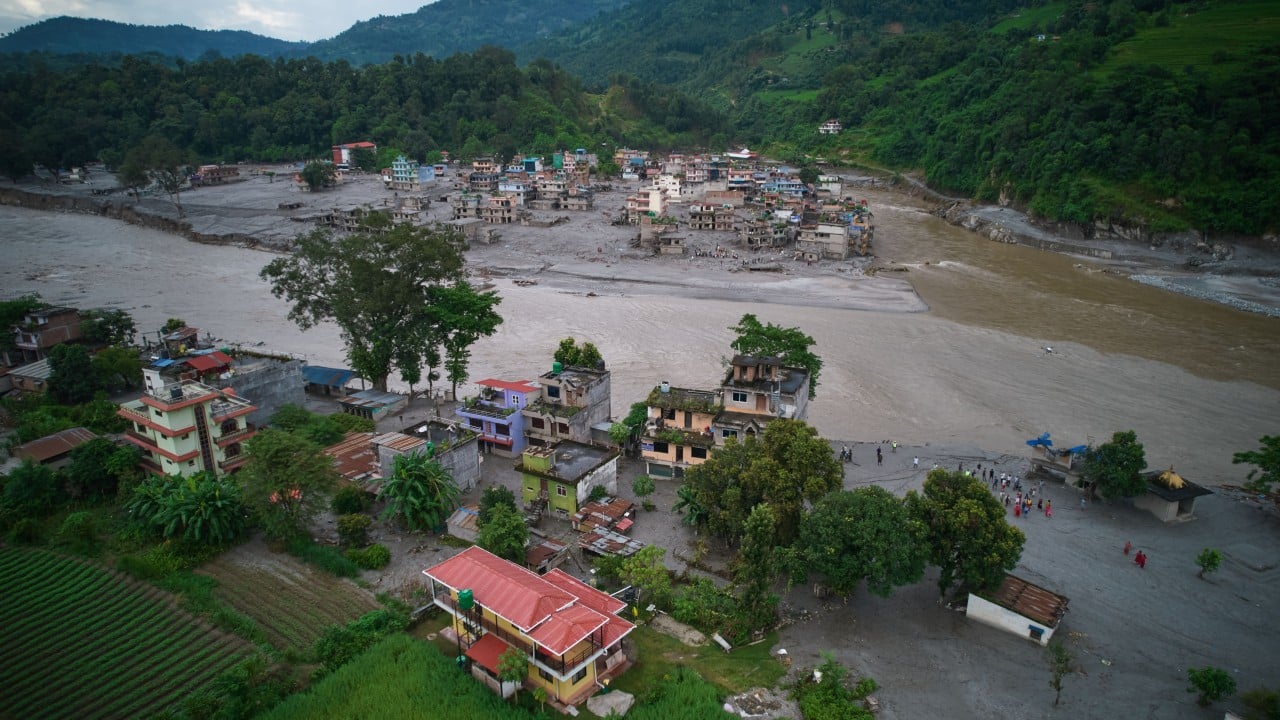
Natural disasters are testing China's neighbourhood diplomacy as climate-related events grow in severity and expose strategic weaknesses. Last week, a sudden glacial collapse in the Himalayas caused a massive mudslide and flooding, killing over 1,250 people in Nepal and 21 in Tibet. Thousands more remain missing. Extreme weather also battered China's southern borders with Vietnam and Laos, leading to severe flash flooding, landslides, and the closure of key infrastructure.
This has forced China to confront the challenge of dealing with climate-driven disasters, which Liu Zongyi, a senior fellow, describes as a "new subject" for foreign policy.
China has recently focused on strengthening ties with neighboring countries, viewing them as crucial to national security and a buffer against Western pressure. Xi Jinping emphasized in a central working conference that maintaining stable relations with immediate neighbors is a top priority in China's diplomatic strategy. However, Liu warns that environmental crises spilling across borders could threaten this strategic foundation, as instability could have a direct impact on China.
Li Shuo, director of the China Climate Hub, notes that climate disasters are increasingly transboundary, requiring China's foreign policy to adapt to this reality. As rescue efforts continue, the recent disaster has become a potential diplomatic flashpoint, with accusations of responsibility and claims of early warning failures. Nepalese Foreign Minister Shisir Khanal has demanded climate compensation from China, the US, and India, blaming those countries for contributing significantly to greenhouse gas emissions.
Beijing responded by emphasizing that climate change is a global challenge requiring collective efforts and that China would strengthen cooperation with Nepal and other nations to prevent and mitigate its negative impacts. The Nepalese government plans to rebuild an early-warning system along the border to improve cross-border disaster management.
While China shares borders with 14 countries, managing transboundary natural disasters involves issues of state sovereignty and political trust, making it a complex challenge for China's neighbourhood diplomacy.
Written by urgent.news from Reuters Business via SCMP's reporting — not their text. Machine-written — may contain errors; check the original before relying on it.
This story
This is one outlet's version. Read the fullest account.