How food fortification and biofortification can help India minimise hidden hunger
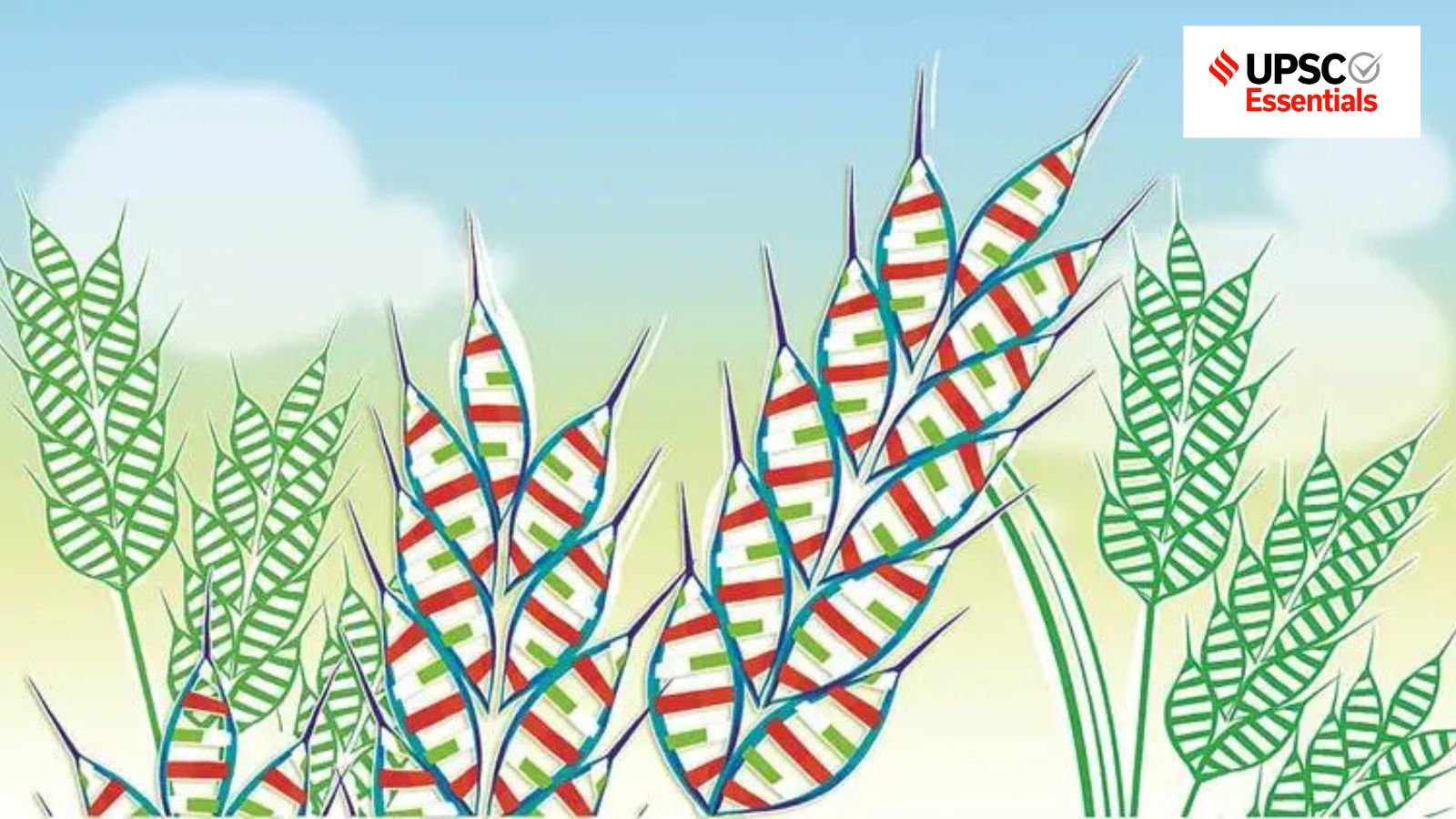
India faces a significant challenge of malnutrition, which has been exacerbated by various factors such as the COVID-19 pandemic, regional conflicts, and climate change. The World Health Organization (WHO) reports that nearly one-third of India's population suffers from undernutrition, with millions affected by hidden hunger - a deficiency of essential micro-nutrients. To combat this issue, India has been focusing on both food fortification and biofortification strategies.
Food fortification involves adding essential micronutrients to staple grains to enhance their nutrient content. This practice has proven to be cost-effective and has been implemented in over 100 countries, including India. For instance, iodizing salt has prevented nearly 750 million cases of goitre in the past 25 years. Additionally, many countries fortify cereal grains and edible oils with essential nutrients.
Biofortification, on the other hand, is the process of increasing the nutrient density of food crops through conventional breeding, transgenic approaches, or advanced biotechnology. This method is sustainable and cost-effective, as it requires only a one-time investment for developing biofortified seeds. India has been actively engaged in biofortification, with the National Agricultural Research System (NARS) developing and releasing 152 biofortified varieties of wheat, millets, maize, rice, oilseeds, pulses, and grain amaranth between 2014 and 2024.
Despite the shared goals of food and biofortification, the former directly adds nutrients to the food during processing, while the latter enhances nutrient content at the production level itself. India's malnutrition problem is multi-pronged, encompassing under-nutrition, over-nutrition, and micronutrient malnutrition. The country ranks 102nd out of 123 countries in the 2025 Global Hunger Index.
The National Family Health Survey (NFHS-6) highlights the severity of India's malnutrition challenge, with only 55.8% of infants under six months receiving exclusive breastfeeding, and 19.7% of adults being obese. The government has taken policy initiatives to address this issue, with food fortification being one of them.
Written by urgent.news from The Indian Express's reporting — not their text. Machine-written — may contain errors; check the original before relying on it.


