Hollywood’s Franchise Obsession Has Come for Indie Movies
The new film Onslaught suggests that everyone is itching for sequels—and not to viewers’ benefit.
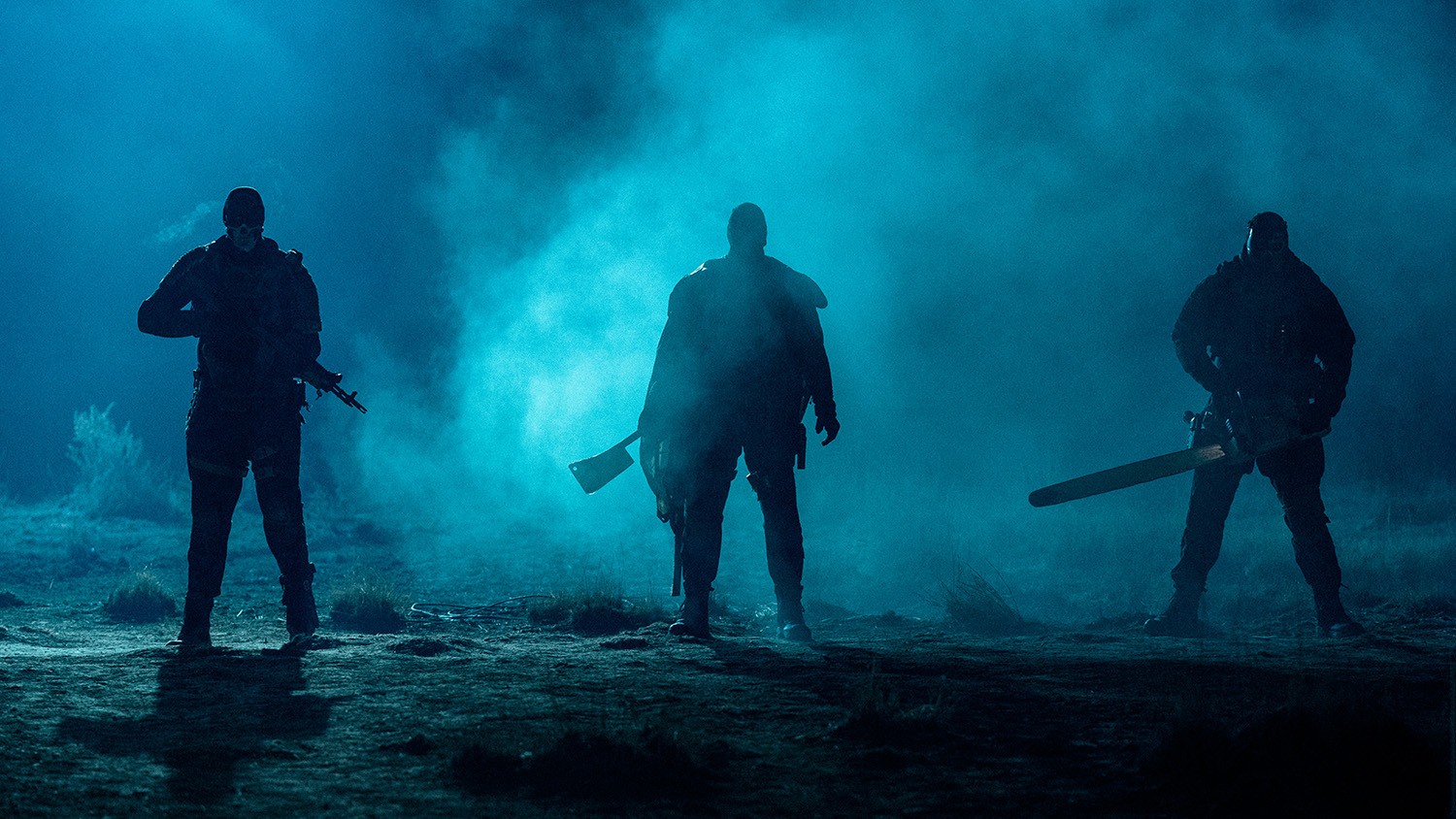
"The Hollywood phenomenon of franchise obsession has now infiltrated the realm of indie films," begins the review of the action thriller "Onslaught," which premiered in theaters this week. The movie, described as a gory and loud thriller, stars Adria Arjona as Celeste, a retired army sniper living in a trailer park who must defend herself against murderous super-soldiers that have escaped a lab in New Mexico.
However, the film's fixation on teasing future installments takes away from its simplicity and creates a sense of unnecessary complexity. Director Adam Wingard, once a master of cheap thrills, has seemingly become trapped in a cycle of sequelization, offering follow-ups to his previous works like "The Blair Witch Project" and "Godzilla" movies. Wingard's recent projects have been criticized for their reliance on lazy storytelling and lack of resolution.
The film initially presents itself as a return to R-rated indies, unencumbered by cinematic universes. With compelling aesthetics and a strong opening, "Onslaught" follows a compelling setup, introducing a crew of misfits living in the desert trailer park and a mysterious German scientist Dr. Hans Kammler. However, the screenplay teases revelations but fails to deliver on most of them. Celeste's backstory remains vague, and the film ends on a cliffhanger hinting at further developments.
Onslaught appears to be building connections among its works, similar to Wingard's "Monsterverse," but critics argue that these attempts lack purpose. The movie's lack of resolution may leave audiences feeling dissatisfied, as the film fails to deliver on its promising premise and instead becomes fixated on teasing future installments.
Written by urgent.news from The Atlantic's reporting — not their text. Machine-written — may contain errors; check the original before relying on it.