Ho Ching defends SIA’s involvement in Air India, but Singaporeans have questions
Mdm Ho provided some historical background to Air India and SIA's story This article ( Ho Ching defends SIA’s involvement in Air India, but Singaporeans have questions ) first appeared on The Independent Singapore News .
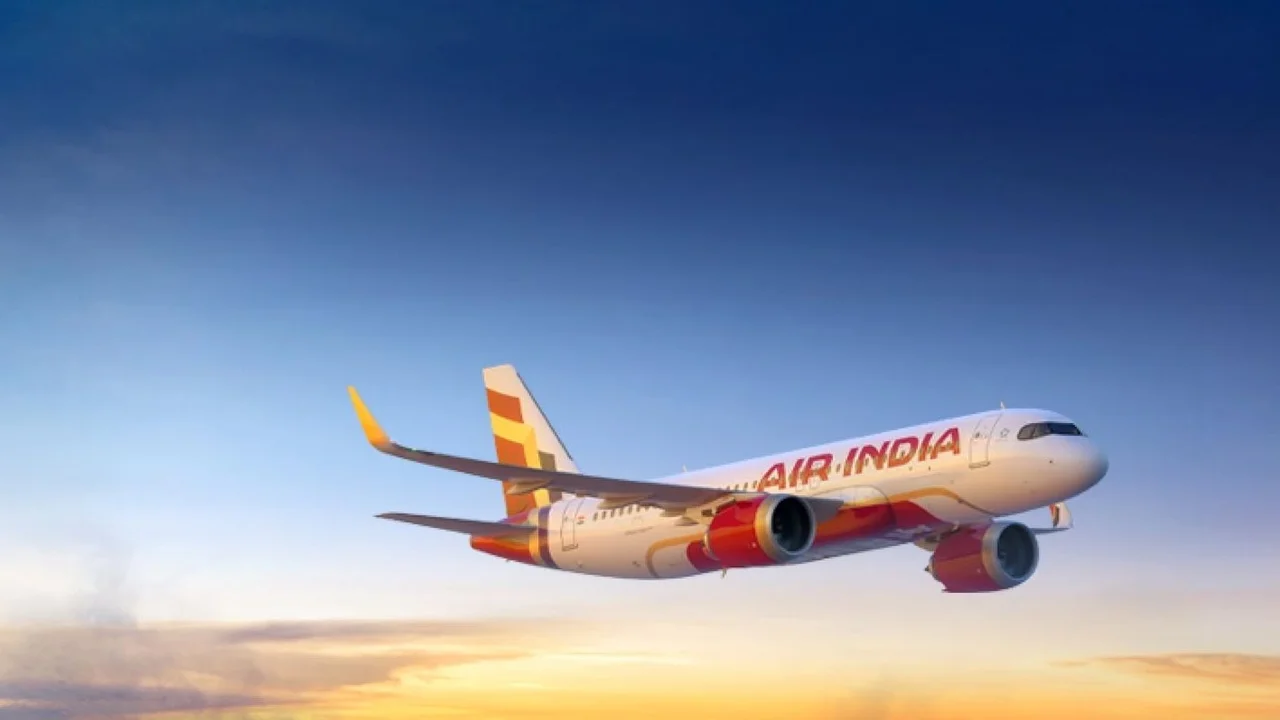
In a Facebook post earlier this week, Ho Ching, the wife of Singapore's Senior Minister Lee Hsien Loong and a former Temasek Holdings director, commented on the additional US$1.5 billion (S$1.9 billion) Air India sought from Tata Sons and Singapore Airlines (SIA). SIA owns a 25.1% stake in Air India, which has faced substantial losses and is under scrutiny in Singapore. The turnaround may take approximately a decade.
Ho Ching defended SIA's involvement, emphasizing how Air India had been a premium brand since 1932, when it started as Tata Air Services under legendary founder JRD Tata. She highlighted how the Indian government's nationalization of the carrier, renaming it Air India, led to its downfall. Despite subsequent changes in management, Air India continued to face financial struggles. Ratan Tata, who had previously worked in Singapore, sought SIA's partnership to revive the airline.
Ho Ching noted that running an airline is challenging due to heavy regulations and lack of pure market-driven success. However, she praised SIA's clarity and lack of government handouts, noting that Singapore allows foreign competition. She acknowledged that SIA holds a 25.1% minority stake in Air India and questioned how to transform the carrier without full control, while emphasizing that no free lunch exists.
Singaporeans have responded to Ho Ching's post with numerous questions. They are curious about how SIA plans to turn Air India around profitably, at what cost, and without further losses. They question why SIA is still investing heavily in a company that may not be able to manage itself independently. Specific inquiries include how SIA decided to make the investment, the break-even point for Air India, the airline's SWOT analysis, and the potential workload and cost per flight hour and seat.
Written by urgent.news from The Independent Singapore's reporting — not their text. Machine-written — may contain errors; check the original before relying on it.