#HEALTH: Malaysia's stroke care gap puts patients in a race against time
KUALA LUMPUR: Malaysia has made significant advances in stroke treatment over the past decade, but delays before patients reach specialist centres and uneven access to advanced care continue to undermine efforts to save lives and reduce long-term disability.
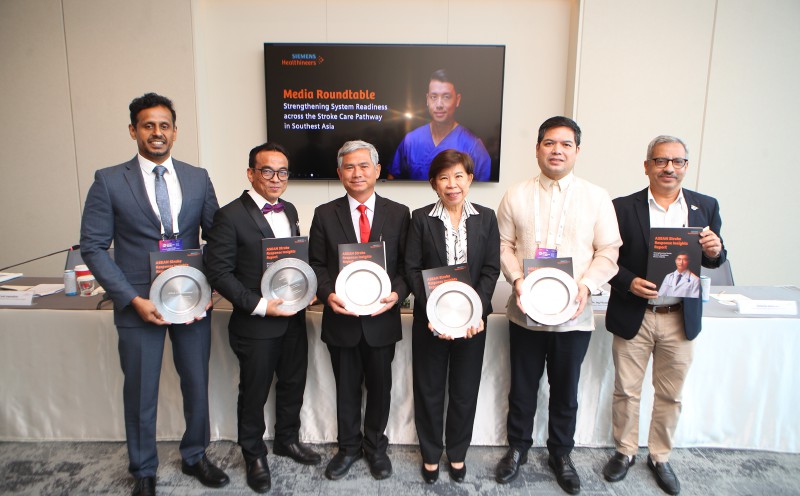
Malaysia has made strides in stroke treatment over the past decade, yet significant challenges persist. A regional report, Strengthening Stroke System Readiness Across Asean, revealed that delays in patient access to specialist centers and uneven availability of advanced care persist as major obstacles in Malaysia. The report, featuring insights from seven experts across Southeast Asian nations, highlighted that time lost before reaching the appropriate level of care remains the most critical weakness.
Limited public awareness of stroke symptoms and transportation barriers often result in patients arriving at hospitals outside the crucial treatment window. Additionally, slow inter-hospital transfers and the concentration of specialists and advanced stroke services in major urban centers exacerbate the issue. Although Malaysia has enhanced dedicated stroke units, national stroke pathways, and access to intravenous thrombolysis, access remains uneven.
With only one neurologist for every 323,000 people, the majority of specialists are concentrated in urban areas, leading to disparities for patients in rural and peripheral communities. The report also pointed out operational bottlenecks within hospitals, such as inconsistent imaging protocols and delays caused by routing stroke patients through emergency departments instead of directly sending them for computed tomography scans.
Experts suggested that Malaysia could improve access via hub-and-spoke referral networks, enabling regional hospitals to swiftly identify patients needing thrombectomy and efficiently transfer them to specialist centers. Artificial intelligence (AI) could also play a crucial role in mitigating stroke-care gaps. AI's potential includes accelerating severe stroke detection, automating hospital notifications, and allowing specialist teams to prepare before patients arrive.
Remote AI-enabled imaging support could further assist hospitals with workforce shortages or serving geographically dispersed populations with limited specialist expertise. However, the report emphasized that technology alone cannot resolve the issue. The most significant improvements will stem from integrating AI and advanced imaging into well-designed clinical pathways.
Written by urgent.news from New Straits Times's reporting — not their text. Machine-written — may contain errors; check the original before relying on it.