Google Gemini error leaves California climbers stranded — Mount Shasta climbers admit ‘we relied too much on AI' after ascent went horribly wrong
Many of us are relying more and more on AI for answers, but it's always worth double-checking.
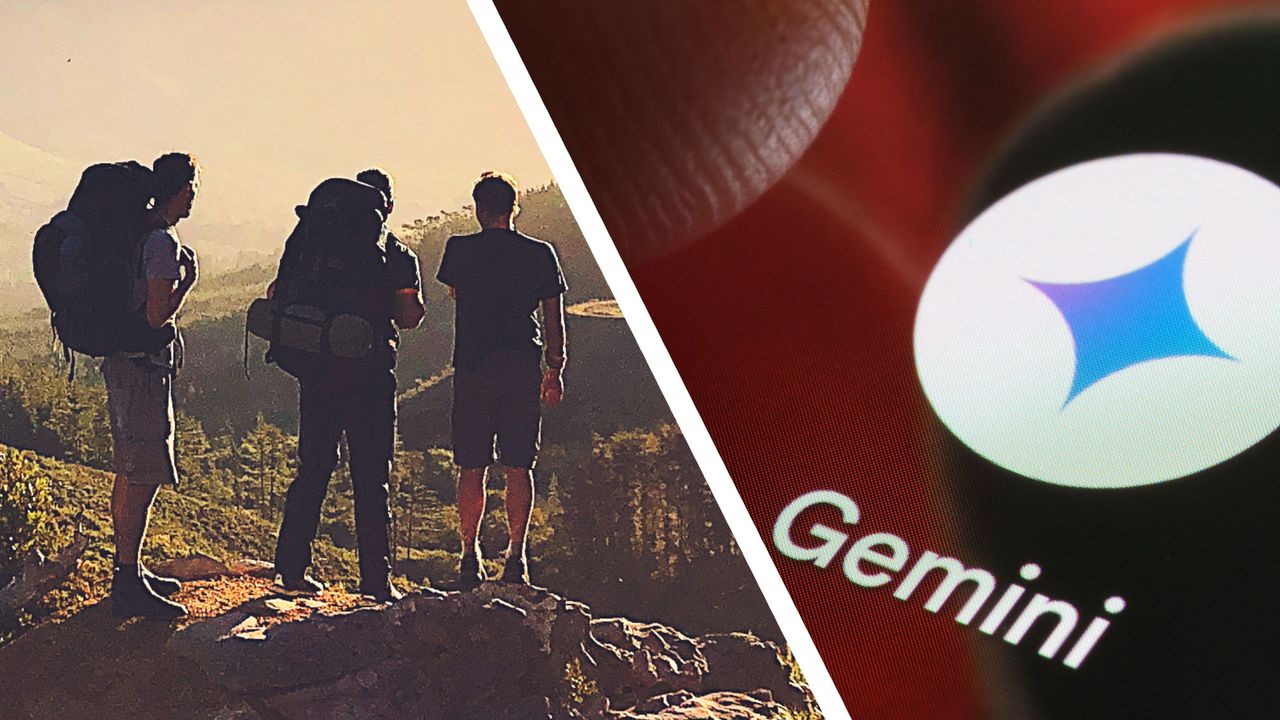
Three inexperienced climbers found themselves stranded on Mount Shasta in California after Google Gemini gave them inaccurate information about the difficulty of the ascent, according to the Siskiyou County Sheriff's Office. The hikers, who set out early in the morning, had been told by the AI that they should expect an eight-hour hike to the peak and that they should pack simple carbohydrates instead of fats due to digestion time.
However, their journey took much longer than anticipated, and they were unable to reach the summit by their estimated arrival time of 11am. Instead, they reached the top at 7pm, and on their descent in the dark, they went astray into Mud Creek Canyon. One member of the group suffered a serious knee injury, and they were forced to spend a night in a makeshift camp before being rescued by a team from the Sheriff's Office, rescue volunteers, and US Forest Service climbing rangers the next morning.
The hikers later admitted to rangers that they had relied too much on AI rather than their own critical thinking skills, according to SFGate. AllTrails was downloaded on one hiker's phone, but it died during the expedition. The climbers emphasized that while AI can be useful for gathering information, it should not be the sole source of planning for outdoor adventures. "We relied too much on AI rather than our own critical thinking," the climbers stated after the ordeal.
The Sheriff's Office emphasized the importance of verifying information obtained from AI sources and contacting local USFS Mount Shasta Ranger Station before embarking on a trip. They urged climbers to always double-check linked sources and other references to ensure the accuracy of the information they receive from AI bots. While AI can be a valuable tool for web searches, it lacks human experience in areas such as injury management, finance, and electrical work, making it unreliable for crucial decisions during high-stakes situations like mountain climbing.
Written by urgent.news from TechRadar's reporting — not their text. Machine-written — may contain errors; check the original before relying on it.