GLP-1 Drugs Like Zepbound Effectively Treat Sleep Apnea Alongside CPAP
A new review found that GLP-1s offer significant improvements in obstructive sleep apnea associated with obesity. vitapix/E+/Getty Images New research has found that GLP-1 drugs may improve obstructive sleep apnea (OSA) related to obesity. The effects of tirzepatide (Zepound), which is FDA approved for OSA, were especially notable. GLP-1s appear to improve OSA associated with obesity by promoting…
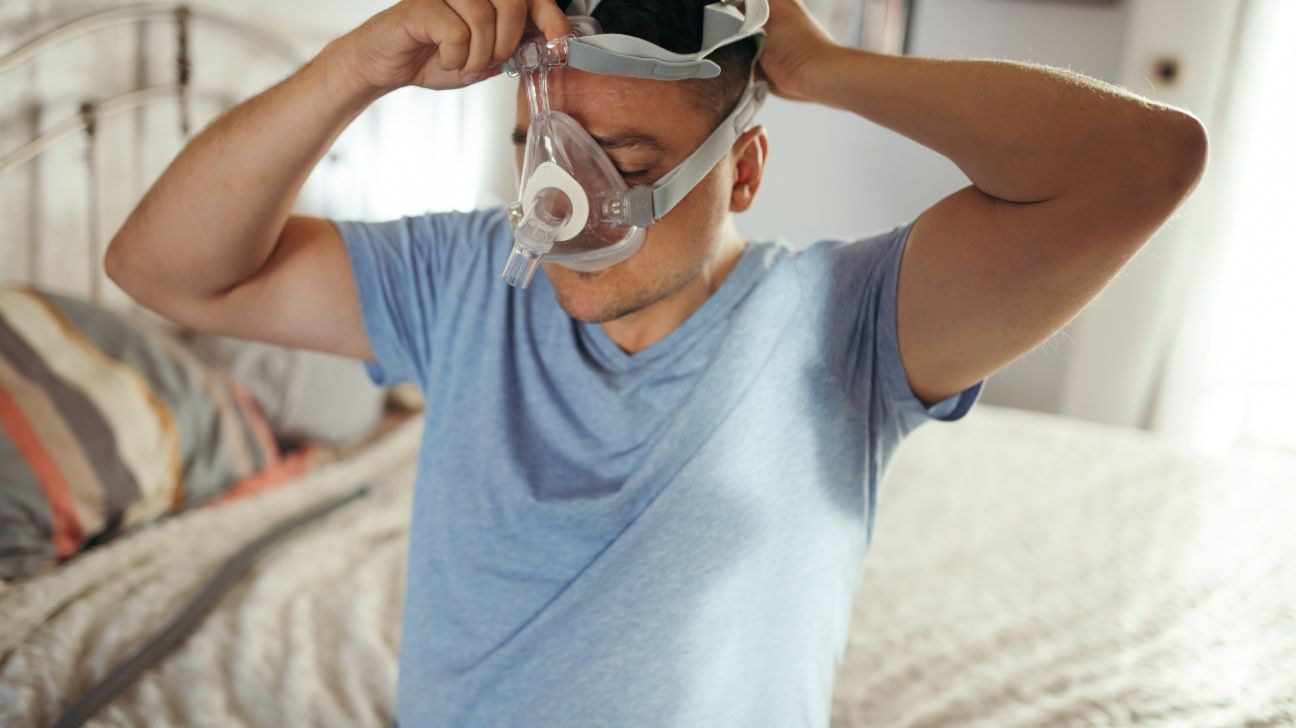
A recent review indicates that GLP-1 drugs, such as Zepbound, may effectively treat obstructive sleep apnea (OSA) in individuals with obesity. Among these drugs, tirzepatide (Zepbound, Mounjaro) showed particularly promising results. The study, published in JAMA Otolaryngology on September 3, found that GLP-1 receptor agonists, particularly tirzepatide, can aid in weight loss, which reduces fat in the neck, throat, and tongue, thereby improving airway obstruction during sleep.
CPAP therapy is still the most effective treatment for OSA, and GLP-1 medications should be continued until a physician confirms remission through a sleep study. While weight loss is a primary mechanism through which GLP-1s improve OSA, emerging research suggests they may also impact brain and nerve functions controlling breathing, potentially stabilizing them. Additionally, these drugs may improve leptin signaling, supporting upper airway muscles during sleep.
Clinical trials, such as the SURMOUNT-OSA phase 3 trials, demonstrated that tirzepatide reduced the apnea-hypopnea index (AHI) by 20–24 events per hour, with 42–50% of patients achieving remission. These improvements were observed as early as four weeks, indicating potential benefits beyond weight loss. However, GLP-1 therapies remain inferior to CPAP in effectiveness. They may serve as an alternative or complementary treatment for those unable to tolerate CPAP or needing weight loss before surgery.
Despite their promise, questions remain regarding the long-term effects of GLP-1s after treatment cessation, their efficacy in individuals without obesity, and their long-term cost and cardiovascular implications.
Written by urgent.news from Healthline News's reporting — not their text. Machine-written — may contain errors; check the original before relying on it.