Employers, ignorance is not bliss when it comes to your female workers’ health
How learning about women's health can help keep the productive cycle going in the workplace.
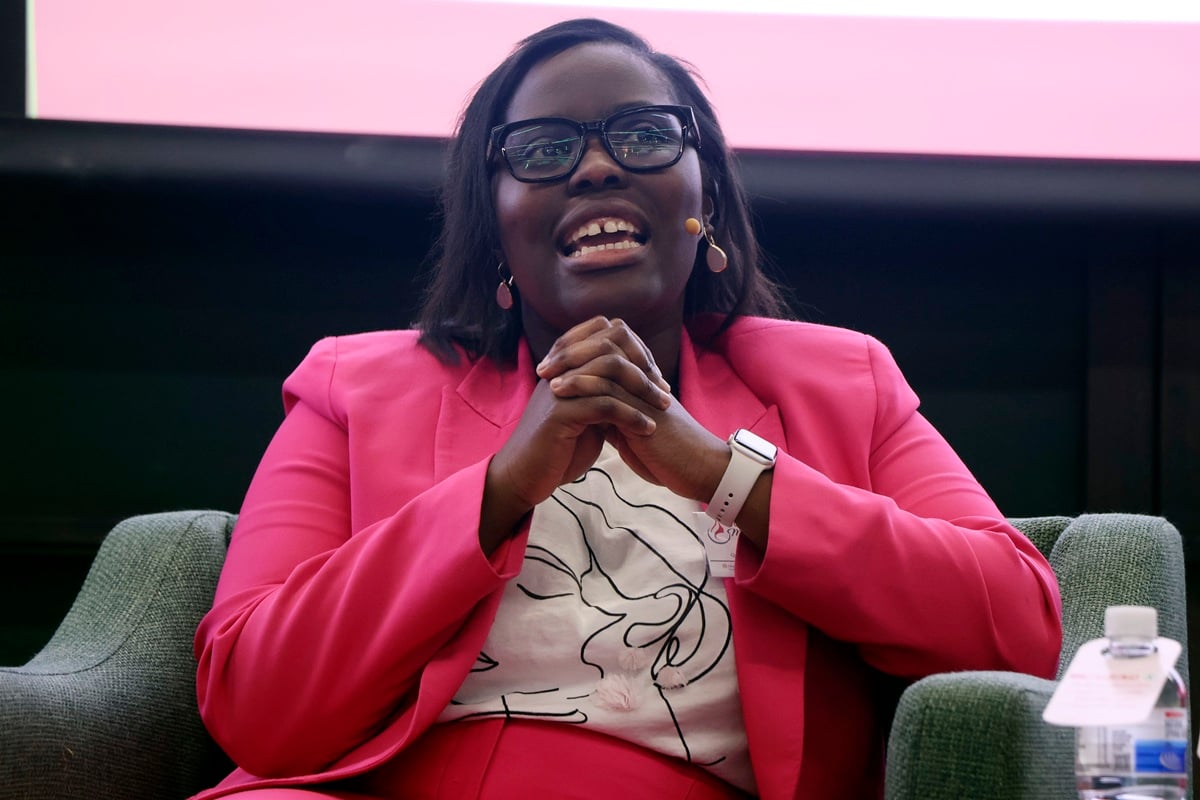
A conference in South Africa highlighted how employers' ignorance regarding female workers' health issues can severely impact their careers and long-term well-being. The Women's Health Matters Conference, attended by around 200-250 clinicians, HR leaders, insurers, academics, and advocates, aimed to challenge the normalization of chronic pain and menopausal symptoms in the workplace.
One attendee, a 34-year-old marketing manager, shared her experience of missing three client meetings due to pelvic pain, which was dismissed by her manager as "just manage it." It wasn't until an ultrasound revealed she had stage III endometriosis that she required emergency surgery. This case exemplifies a pattern where women's health issues are often ignored, leading to career setbacks and long-term health problems.
Experts warned that accepting women's suffering as part of life can delay diagnoses and derail careers. They emphasized the importance of a life-course approach to women's health, focusing on prevention, early intervention, and timely access to appropriate care. Low screening rates were also discussed, with many women suffering from various health issues going untreated due to lack of access.
Delayed diagnoses of conditions like endometriosis, often dismissed as "bad periods," exacerbate pain, increase infertility risks, and disrupt work performance. Repeated sick notes and performance warnings often precede a specialist referral that should have occurred much earlier.
One patient advocate recounted a 29-year-old teacher who was dismissed as "dramatic" after collapsing in a staff room, only to be diagnosed with endometriosis after a private scan. She lost a term's pay and missed a promotion panel due to her health issues. The conference called for better training for employers and managers to recognize the signs of women's health issues, as well as the need for simple accommodations such as cooling options, flexible hours, and remote work.
The conference also addressed the issue of menopause, which often coincides with peak career responsibilities. Menopause tends to coincide with career peak, yet workplaces remain largely unprepared. Experts stressed the importance of normalizing conversations around menopause and providing simple accommodations like cooling options, flexible hours, and remote work to help women stay productive and engaged.
Written by urgent.news from The Citizen's reporting — not their text. Machine-written — may contain errors; check the original before relying on it.