Dietrich Mateschitz, el visionario del márketing que dio alas a Red Bull
Transformó una bebida con cafeína que tomaban los camioneros en Tailandia en el refresco energético más vendido del mundo. Su innovadora estrategia publicitaria fue la clave del éxito. Leer
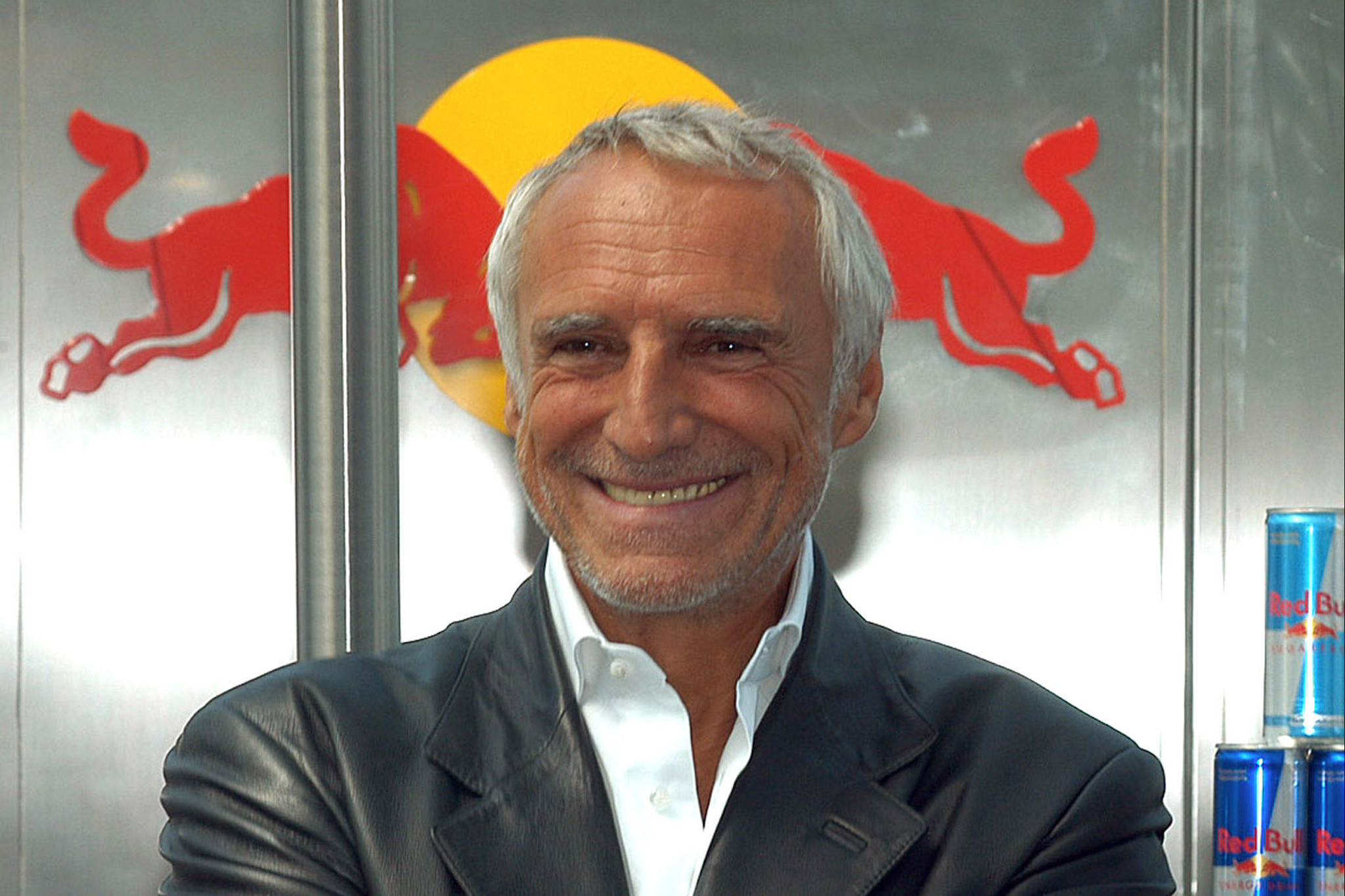
Dietrich Mateschitz, born in St. Wolfgang, Austria in 1944, was a marketing executive with a vision that would change the face of the beverage industry. At the age of 38, while on a business trip to Thailand, Mateschitz discovered a high-caffeine drink called Krating Daeng, which was consumed by truckers to combat fatigue during long journeys. Inspired by this discovery, Mateschitz went on to form an alliance with Chaleo Yoovidhya, the creator of Krating Daeng, to internationalize the beverage.
Within two years, Mateschitz quit his job and partnered with Yoovidhya to bring Krating Daeng to the global market. Despite having no financial pressure, Mateschitz invested $500,000 of his own money into Red Bull, which he owned 49% of, with Yoovidhya owning the other 49% and their son holding the remaining 2%. Mateschitz believed that adding bubbles to the beverage would make it more popular in Western markets, and he created the iconic logo featuring two bulls and the slogan "Red Bull gives you wings."
In 1987, Mateschitz launched the product in Austria despite the skepticism of experts. When they told him there was no market for Red Bull, Mateschitz replied, "Red Bull would create one." He pursued an unconventional marketing strategy, sponsoring events like Flugtag, where everyday people built homemade flying machines and attempted to fly them over water, and heavily relied on word-of-mouth promotion in bars and university campuses.
Despite a prohibition on Red Bull in France, Hungary, and Denmark due to its high caffeine and taurine content, the beverage gained popularity in the underground market.
Mateschitz's sports marketing strategy was another key factor in Red Bull's success. In the 1990s, he signed deals with windsurfers and began supporting competitions in snowboarding, skateboarding, BMX, paragliding, and other extreme sports, eventually organizing these events themselves. Mateschitz believed that bringing people to the product was more effective than pushing the product onto people. By 1998, Red Bull had sold 300 million cans worldwide, making Mateschitz a multimillionaire.
When Dietrich Mateschitz passed away in 2022 at the age of 78, his net worth was estimated at $27.4 billion, placing him at number 51 on Forbes' list of billionaires. In 2022, Red Bull spent $27.4 million on sports endorsements, a 36% increase from the previous year. Mateschitz received his final dividend as a Red Bull shareholder, earning $866 million in 2022, a 28% increase from 2021.
Mateschitz's legacy lies in his ability to convert Red Bull into a global beverage empire and create a sports industry presence, with significant investments in football, Formula 1, and extreme sports.
Written by urgent.news from Expansion ES's reporting — not their text. Machine-written — may contain errors; check the original before relying on it.