Diesel’s record $5.85 per gallon price threatens higher grocery bills, with refrigerated foods among the first to feel the squeeze
Delivery companies have already added fees, while prolonged fuel costs could push up shelf prices for food, clothing and other goods
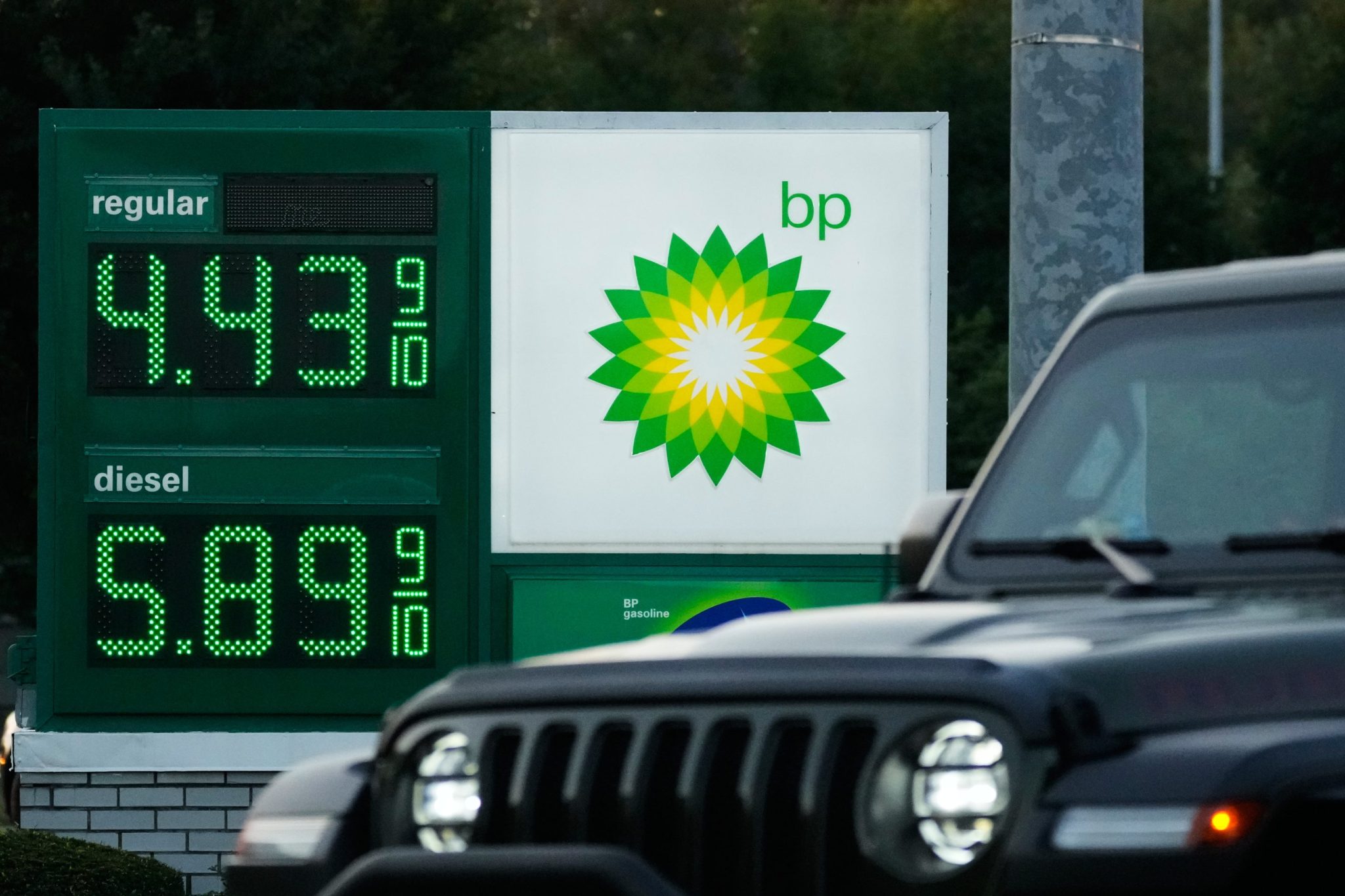
On Friday, diesel prices in the United States hit a record high of $5.85 per gallon, marking the first time this figure has been reached. This surge in price is a direct result of the ongoing war with Iran disrupting global fuel supplies. Diesel is crucial for many freight and delivery networks, and its increased cost means higher transportation expenses for a wide range of everyday goods.
This situation may contribute to Republicans' political difficulties as the midterm elections draw nearer, with voters already dissatisfied with President Donald Trump's economic management. A recent AP-NORC poll revealed that two-thirds of U.S. adults disapprove of Trump's performance in handling the economy. The rising fuel costs are adding to businesses' expenses across various sectors, leading some of them to pass on these additional costs to consumers.
This can manifest in the form of extra fees for online orders and mailed packages. Shoppers may also notice sticker shock when examining grocery store shelves, particularly for perishable items such as produce and meat. These products rely on diesel-powered farm equipment and transportation, which can only add to the pressure on their prices.
The immediate impact of these higher costs is most evident in grocery aisles, where consumers may experience increased sticker shock. While the price of regular gasoline has been gradually increasing, it has not grown as rapidly as diesel prices. The average price of regular gasoline stands at $4.15 per gallon, a notable rise from $3.20 at this time last year.
The 2022 record of $5.02 a gallon for regular gasoline was surpassed by the current diesel prices, demonstrating the severity of the fuel crisis. The escalation of the war with Iran led to a sharp increase in diesel prices, as the global cost of crude oil surged due to supply chain disruptions and production cuts in the Middle East.
Although prices have slightly stabilized since the beginning of the conflict, they have once again started to rise as hostilities between the U.S. and Iran intensify. The price of Brent crude, the international benchmark, stands at over $95 a barrel, up from around $70 before the war. The last time U.S. businesses and drivers faced such high fuel prices was in June 2022, when diesel averaged nearly $5.82 a gallon, months after the Ukraine war began and sanctions against Russia, a major oil producer, were imposed.
Although current prices exceed those of 2022, adjusted for inflation, they remain significant. Notably, diesel has consistently been more expensive than gasoline for decades, and its price has risen more rapidly during recent energy crises. The limited supply, reduced demand flexibility, and diesel's global commerce importance all contribute to its susceptibility to price hikes.
Higher diesel prices will eventually trickle down to the grocery store shelves, affecting a broader range of goods. The food supply chain is heavily reliant on diesel, as it powers farm machinery, fishing vessels, cargo ships, and trucks used to transport food to grocery stores. Fuel costs make up 15% to 30% of the total food cost, making higher diesel prices a substantial factor in food price increases.
Perishable items such as seafood and fresh fruit have seen recent price hikes, with seafood up by 7% and fresh fruit by 4.9% in July. Food economists warn that if diesel prices remain high, consumers will likely feel the effects for an extended period. Initially, these cost increases may be absorbed by existing freight contracts and retailer margins.
However, as fuel surcharges are implemented, more of the expense will be passed on to grocery stores and ultimately to consumers.
Written by urgent.news from Fortune's reporting — not their text. Machine-written — may contain errors; check the original before relying on it.