Deleveraging clouds China’s AI trade as rising US Treasury yields, inflation fears persist
Chinese leveraged traders continue to unwind their bets on stocks, as unease over rising global bond yields and a lingering oil shock add uncertainty to the artificial intelligence trade. The outstanding balance of stocks bought with borrowed money dropped to 2.62 trillion yuan (US$390.1 billion) on Thursday after a brief rebound in August, according to data from China Securities Finance. That…
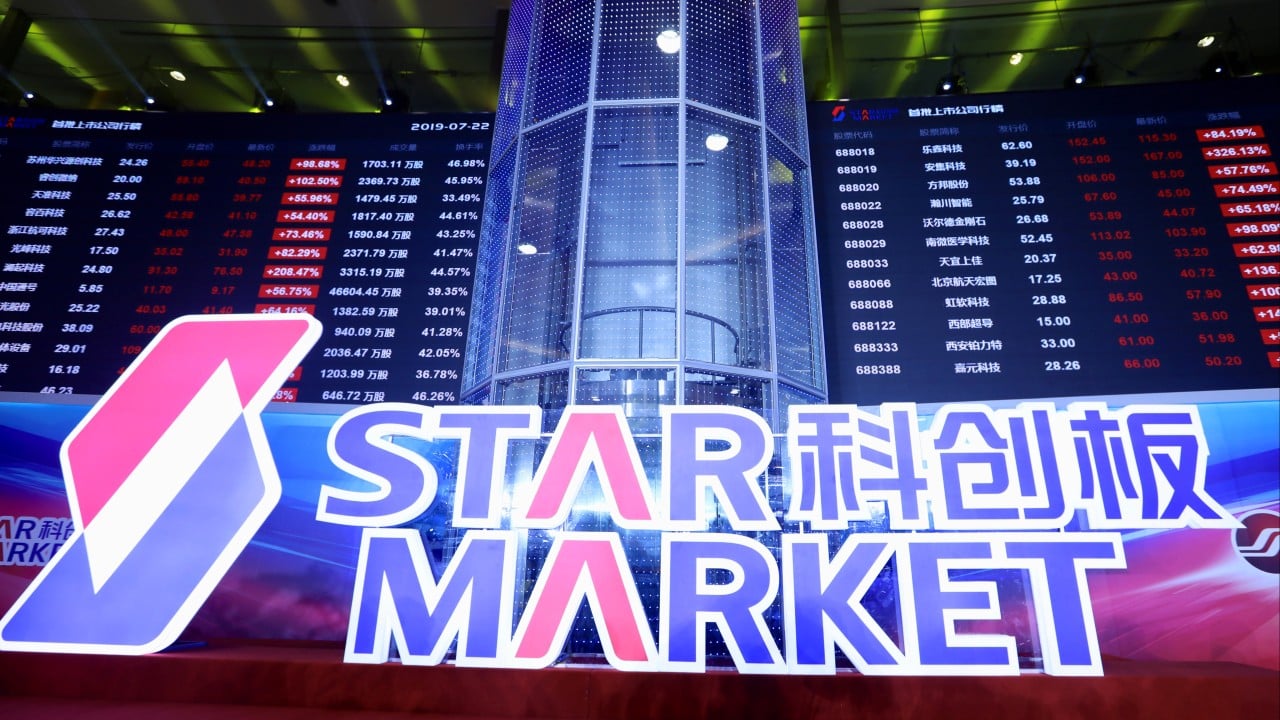
As global bond yields and inflation concerns rise, Chinese leveraged traders are unwinding their positions in the AI sector, according to recent data. The outstanding balance of stocks purchased using borrowed money fell to 2.62 trillion yuan (US$390.1 billion) on Thursday, a 13% decline from its June 25 peak of 3.01 trillion yuan.
Short positions on stocks have also risen to near a two-year high of 29.2 billion yuan. This cautious investor sentiment is partly driven by the Federal Reserve's interest rate hike, despite the US Treasury yields hitting multi-year highs, and Federal Reserve Chairman Kevin Warsh hinting at further rate increases unless inflation eases.
Beijing's reluctance to implement a broad stimulus package, even after July economic data fell short of estimates, has further dampened risk sentiment. The Star Market 50 index, a key gauge of China's AI trade, is nearing a previous low reached during July's substantial monthly decline, triggered by a global tech stock slump over concerns that massive AI investments may not generate profits.
Despite the unwinding of leveraged positions, margin traders continue to maintain significant exposure to tech stocks. Zhongji Innolight, an optical transceiver manufacturer using US hyperscalers, led the pack with 31.5 billion yuan in leveraged positions. Cambricon Technologies and ChangXin Memory Technologies, major AI chip and DRAM chip makers respectively, ranked eighth and among the top 15 in margin trading balances, illustrating the ongoing reliance on these sectors amid the deleveraging trend.
However, household appliance manufacturers emerged as the most-shorted stocks, with Air-conditioner maker Gree Electric Appliances and appliance giant Midea Group having the highest bearish positions. Overall, the deleveraging trend in China's AI trade is likely to persist, with key headwinds stemming from rising US Treasury yields and potential redemption of domestic mutual funds focused on tech companies, according to Meng Lei, a strategist at UBS Group.
Written by urgent.news from SCMP Business's reporting — not their text. Machine-written — may contain errors; check the original before relying on it.