Chimps Have Accents, Too
And they could shed light on our own language acquisition The post Chimps Have Accents, Too appeared first on Nautilus .
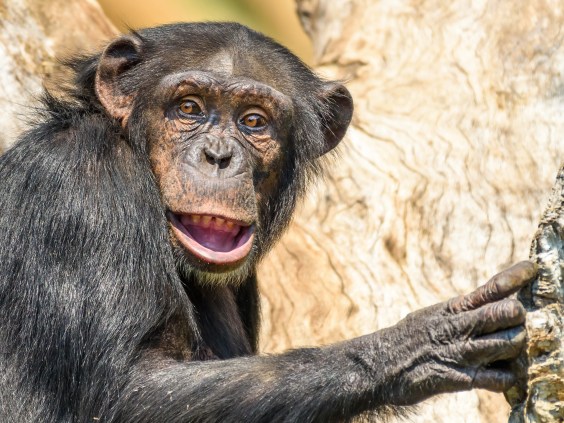
Chimpanzees, our closest non-human relatives, possess regional dialects similar to humans, according to a new study published in PLOS One. These dialects, conveyed through vocalizations such as grunts, whimpers and laughs, develop during the chimpanzees' maturation process rather than at birth.
While humans are born with their unique accents, infant chimpanzees exhibit variation in their laughs and grunts. Whimpers, on the other hand, remain fairly consistent. In contrast to humans, laughter in chimps shows greater variation across different groups than negative vocalizations, reflecting a more diverse range of emotional expression.
The study suggests that the development of chimpanzee dialects parallels non-verbal vocalizations in humans, which are strongly influenced by cultural identity. In humans, accents begin in the womb and remain deeply ingrained, even affecting non-verbal vocalizations. This research sheds light on the evolutionary roots of linguistic diversity and provides insight into how language and communication evolve in different species.
Written by urgent.news from Nautilus's reporting — not their text. Machine-written — may contain errors; check the original before relying on it.