Britain cuts infrastructure appraisal rate to boost investment
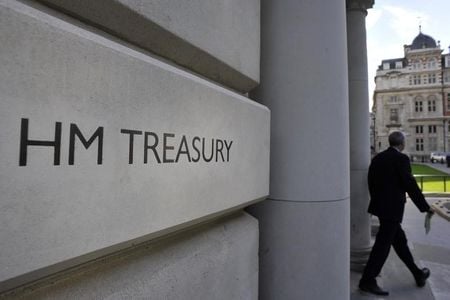
The UK government has decided to lower the rate used to analyze long-term infrastructure projects, from 3.5% to 3%. This change aims to stimulate investment across the nation by emphasizing the value of future benefits. The Treasury announced this move as part of reforms to its Green Book, which governs how the government evaluates capital projects and public spending.
A lower discount rate makes projects with delayed economic benefits more attractive, as these future gains become more significant when assessing project value. Officials expect this adjustment to lead to fairer evaluations of transport, housing, and social infrastructure projects, whose benefits may not be realized for years. The full details of these reforms are set to be released alongside the budget on October 28, with further clarification expected from Finance Minister John Healey during his first major speech on Monday.
Additionally, the government is experimenting with a novel method for evaluating investments that considers the overall economic potential of regions instead of individual projects. This innovative approach is being tested in Plymouth, Liverpool, Birmingham, and Port Talbot as part of efforts to direct public investment toward projects that can foster broader regional development.
These reforms occur as the UK endeavors to boost infrastructure spending and ensure that long-term economic benefits are more accurately reflected in government decision-making.
Written by urgent.news from Investing.com's reporting — not their text. Machine-written — may contain errors; check the original before relying on it.