As family farms decline and the climate heats up, farmers weigh what to do with their land
In Michigan and around the country, farmers are facing decisions about how to best keep land in production as values rise, climate change threatens operations, and a younger generation chooses not to farm.
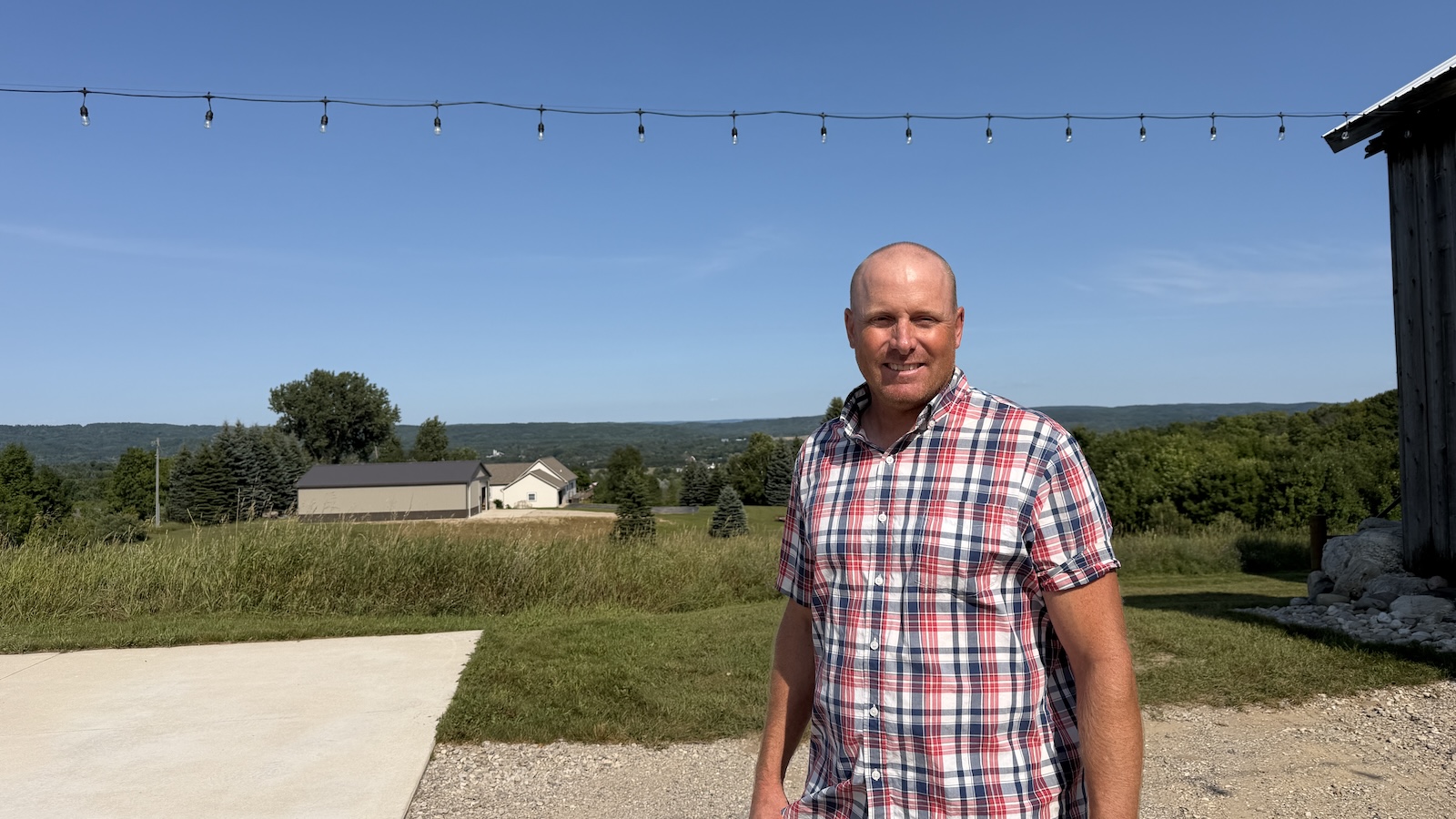
John Boyer, a farmer from East Jordan, Michigan, owns a 131-acre plot of land where he grew up cultivating corn, oats, and wheat. Boyer, who recently reacquired the land in 2018, feels a personal obligation to preserve it from development in order to maintain the region's rural character. With millions of farmland acres across the country expected to change hands in the coming decades, farmers are grappling with the decision of whether or how to safeguard their land amid rising land values, shifting climate conditions, and a younger generation less inclined to pursue farming.
In Michigan, the number of farmland acres has decreased in recent years, with about one-quarter of the state's land devoted to agriculture in 2022, a 3 percent drop from 2017. However, the state has seen an increase in farmland protected by conservation programs, with an additional 22,000 acres safeguarded in easements between 2017 and 2022.
Jon LaPorte, a farm business management educator with Michigan State University Extension, highlights the pressure farmers face in making these decisions, noting the significant financial considerations. One option for landowners is entering into a conservation easement, which restricts future development while allowing them to retain ownership.
John Boyer chose this route by selling the future development rights of his 131-acre farm to the Little Traverse Conservancy, a nonprofit organization. While easements offer a way for farmers to capture the value of their land without selling it outright, they come with challenges, such as paying a portion of the land's value to the conservancy.
Jon LaPorte emphasizes that the decision to enter into an easement is a complex one, weighing factors like timing and potential future opportunities. Rebecca Carlson, a cherry and apple grower in Northport, also expresses concerns about land division among heirs, which could fragment multigenerational farms and discourage younger people from entering the industry.
Carlson's family has grown from 200 acres to 1,300 acres over eight years, expanding by purchasing and leasing adjoining parcels. With about 39 percent of agricultural land in Michigan leased, many farmers face a dilemma in deciding how to best protect their land for future generations.
Written by urgent.news from Grist's reporting — not their text. Machine-written — may contain errors; check the original before relying on it.