95% of India’s International Data Passes Through One Mumbai Beach: Can The Country Fix Its Undersea Vulnerability?
India's staggering digital growth is being underpinned by a piece of infrastructure that is dangerously concentrated in one small stretch of coastline. Nearly all of India's international bandwidth passes through one beach. At least 13 of India's 18 undersea intercontinental cables come ashore within a six-kilometre radius near Versova in Mumbai, a report by BBC found. Between them, these cables…
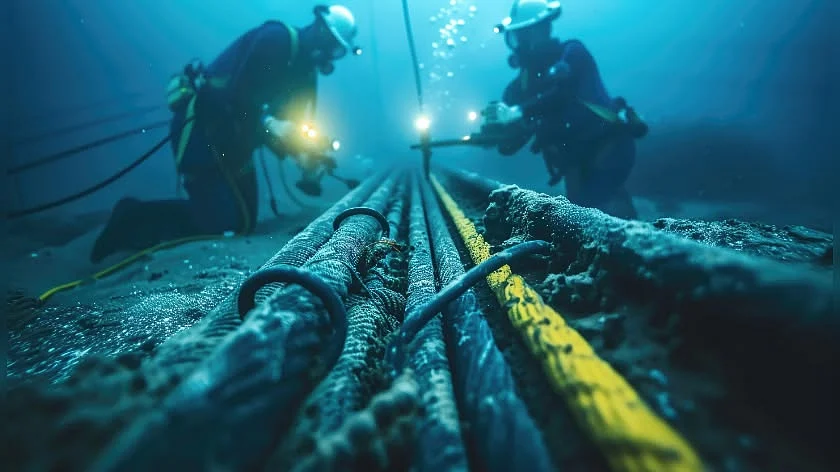
India's rapid digital expansion is heavily reliant on a limited number of undersea cables. Ninety-five percent of the country's international data traffic passes through cables landing in a six-kilometer stretch near Versova, Mumbai. This concentration of vital infrastructure leaves the network vulnerable to disruptions. Anwesha Sen, from the Takshashila Institution, warns that a simultaneous failure of multiple cables could significantly impact India's bandwidth flowing to Europe, Africa, and West Asia.
While data rerouting exists, even a minor slowdown could strain sectors like banking, stock exchanges, and AI-powered systems that demand high-speed, high-volume data transfers. India currently holds only 3% of the world's submarine cables, with just 21 landing stations for a population accounting for about a fifth of global data consumption.
The country urgently needs more landing stations and upgraded infrastructure. Many of India's existing cables are aging, with 11 out of 18 already over 20 years old, nearing their typical 25-year lifespan. While deliberate sabotage isn't the primary concern, cable faults are common due to fishing, ship anchors, natural hazards, and equipment failures.
India lacks its own cable-repair vessels, relying on foreign ships that can take weeks to arrive and clear Indian waters, adding to the vulnerability. AI-driven data center growth is outpacing cable capacity expansion. The country's bureaucratic approval process for undersea cables involves 16 government agencies, with a single cable landing station requiring around 50 clearances across multiple ministries.
Reform efforts are underway, including designating undersea cables as critical infrastructure, creating homegrown repair capabilities, and streamlining bureaucracy to expedite approvals and ensure the country's digital future remains resilient.
Written by urgent.news from Free Press Journal's reporting — not their text. Machine-written — may contain errors; check the original before relying on it.