Workaround for trusts to avoid restructuring stamp duty
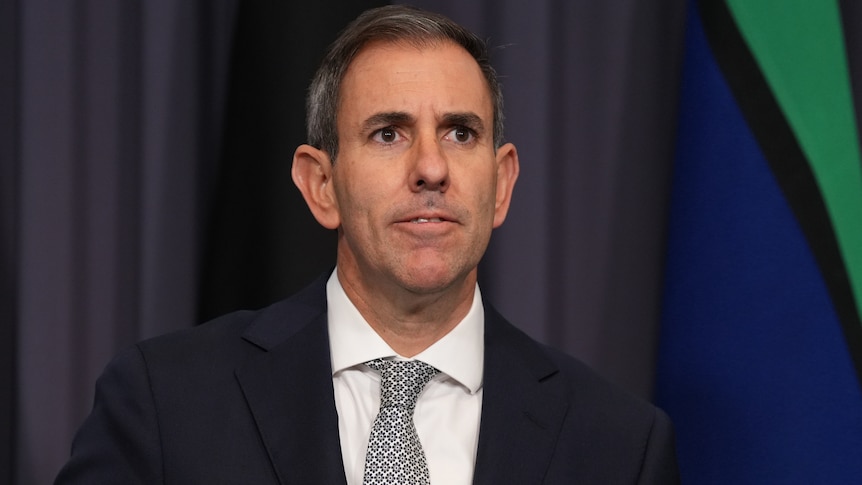
Businesses with discretionary trusts have been offered a workaround to avoid paying significant stamp duty costs when restructuring, according to Treasurer Jim Chalmers. The workaround is part of a budget tax change that aims to reduce the number of discretionary trusts, which have more than doubled to around 840,000 in two decades.
Under the new rules, businesses can choose to make fixed distributions to pre-nominated beneficiaries instead of restructuring, thus avoiding the new 30% minimum tax on trusts from July 1, 2028. This option would allow the businesses to pay tax on distributions at the beneficiary's marginal rate, thereby avoiding the need to restructure and pay state and territory stamp duties.
While this workaround is an improvement, it does not fully resolve the issue of stamp duties, according to accounting body CPA Australia. They suggest expanded rollover relief for businesses that restructure, providing exemptions to income and capital gains tax for three years. However, businesses opting for a company structure might still face substantial stamp duties.
CPA Australia's Jenny Wong called on the federal government to make stamp duty on restructuring tax-deductible until a permanent solution with the states and territories can be found. The new minimum tax is forecast to generate $4.5 billion by 2030. The draft legislation also includes carve-outs for various types of trusts, such as charitable trusts, special disability trusts, and testamentary trusts.
Additionally, distributions to sporting clubs from charitable trusts will be excluded, with the cap to be determined after consultation. Trust beneficiaries who have to pay the new minimum tax will be able to receive refunds on franking credits related to their trust income. The draft bills will undergo two weeks of consultation.
Treasurer Chalmers emphasized the government's support for small businesses and the tax reform package's focus on lowering taxes on businesses to support investment and growth. Shadow treasurer Tim Wilson criticized the additional burden on small businesses, particularly in terms of financial and legal advice, valuations, and stamp duty payments.
Written by urgent.news from Discovered's reporting — not their text. Machine-written — may contain errors; check the original before relying on it.