WMO forecasts a very strong El Niño peaking at year's end and lasting into February 2027
El Niño is firmly established in the tropical Pacific and will intensify over the coming months into a very strong event, peaking towards the end of 2026 and with climate effects extending well into 2027, according to an update released on Thursday by the World Meteorological Organization (WMO) in Geneva.
The World Meteorological Organization (WMO) has forecasted a very strong El Niño event that is expected to peak by the end of 2026 and continue into February 2027, with near certainty according to the organization's latest update. This marks the first time such an explicit prediction has been made by the WMO. The Niño 3.4 index, a key measure of sea-surface temperature anomalies in the central and eastern equatorial Pacific, reached 1.5°C above normal between May and July and soared to 2°C in July, with weekly values continuing to rise into August.
Subsurface ocean temperatures were also notably warmer, with some areas exceeding normal values by over 8°C during July and early August. WMO Secretary-General Celeste Saulo warned of the potential for widespread disruption, noting that the event could have a "massive blow to communities and economies across the world." She emphasized the urgency of taking climate action, stating that the world must "win that race."
The WMO stressed that while the strength of an event does not solely determine its impact, effects vary by location and season and can be influenced by other climate factors, such as conditions in the Indian and Atlantic Oceans. A positive phase of the Indian Ocean Dipole is anticipated to develop in the September-November quarter, accompanied by above-normal temperatures in the equatorial Atlantic.
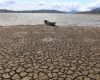
Historically, South America has seen intensified rainfall in the La Plata basin during strong El Niño events, while Colombia, Venezuela, northern Brazil, and the Andean highlands tend to experience drier conditions. El Niño is a natural phenomenon occurring every two to seven years, typically lasting nine to twelve months, and peaking between November and February.
Written by urgent.news from MercoPress's reporting — not their text. Machine-written — may contain errors; check the original before relying on it.