Why US military might can’t end Iran war despite Trump’s strikes and blockade
Why US firepower can’t finish Iran war
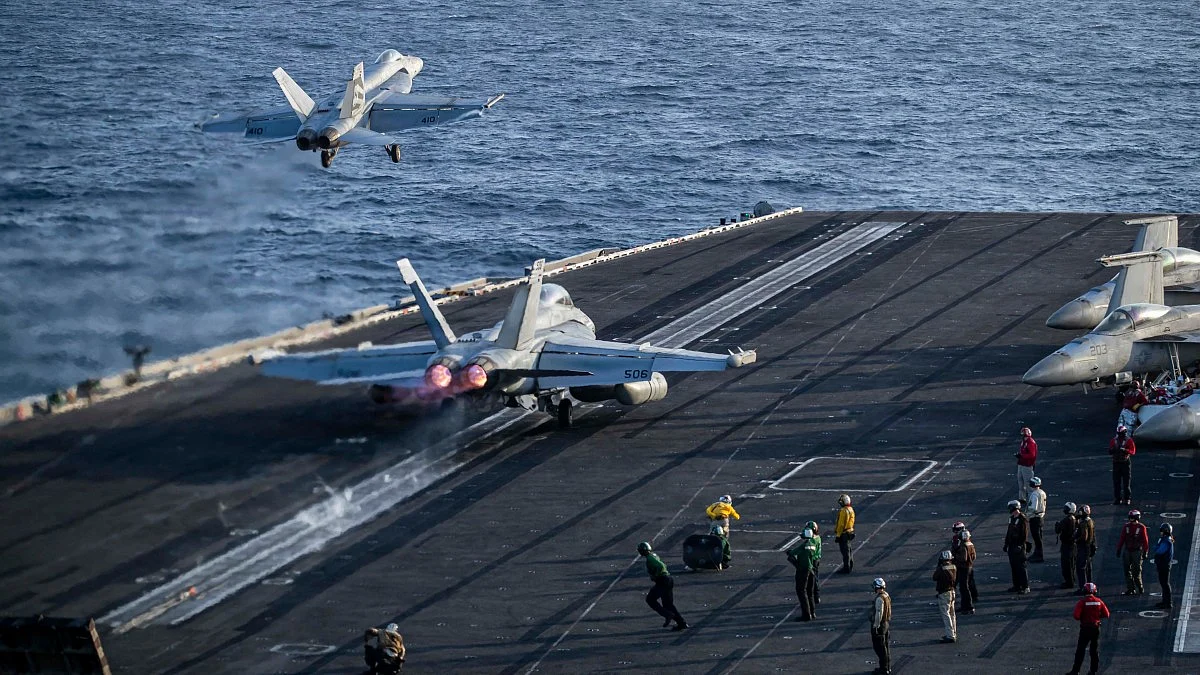
The ongoing conflict between the United States and Iran has proven to be an asymmetric struggle, where Iran does not need to emerge triumphant to frustrate American goals. Instead, Iran only has to survive, rebuild its capabilities, and maintain a persistent level of threat to US interests. This complex situation has led to President Trump implementing a three-pronged strategy: escorting ships, bombing Iran, and squeezing Tehran economically.
While the US military possesses advanced aircraft, sophisticated warships, and extensive surveillance capabilities, Iran has successfully demonstrated that it can still exert a substantial influence in the Strait of Hormuz. Tehran doesn't need to completely block the passage, nor sink numerous commercial vessels. Instead, Iran merely needs to create a persistent sense of uncertainty among shipping companies, insurers, and energy traders, raising costs and prompting them to reconsider their routes.
A recent US airstrike campaign against nearly 60 Iranian military targets around Hormuz, coupled with escorting 40 commercial vessels carrying 18 million barrels of oil through the strait, did not conclusively eliminate the threat. Instead, it has led to a continuous cycle of destruction and rebuilding, akin to a "whack-a-mole" scenario. This ongoing conflict raises the question of how many times the US must neutralize the same targets before Iran's capability is sufficiently diminished.
In addition to military pressure, the US is intensifying financial sanctions, targeting Iran's remaining economic lifelines. These measures aim to cripple Iran's ability to generate income and alleviate the economic burden imposed by the blockade. However, Iran possesses the ability to retaliate through relatively inexpensive means such as drones, missiles, and mines, which require the United States to maintain a technologically advanced military presence in the region.
The prolonged deployment of US forces to the Middle East is placing increasing strain on personnel, equipment, and maintenance schedules. As Iran persists in its asymmetric strategy, the United States faces an uphill battle to achieve a lasting victory. Iran's continued presence as a persistent threat undermines the prospect of a swift, decisive triumph for Washington.
Written by urgent.news from Gulf News's reporting — not their text. Machine-written — may contain errors; check the original before relying on it.