Why Perlis’s water woes remain hard to resolve
After years of reforms, targets and investments, the question remains unchanged: why is the non-revenue water rate still so high?
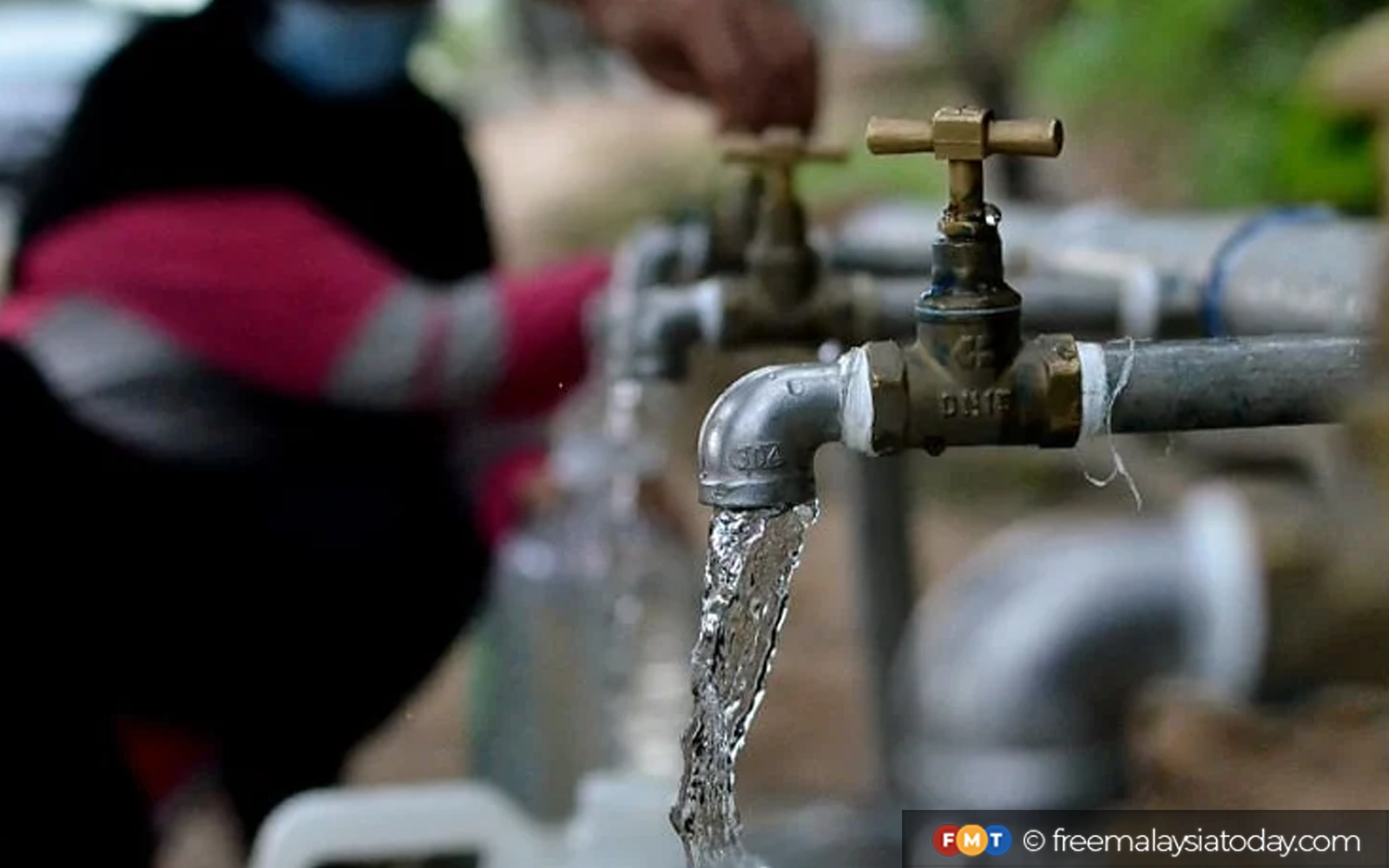
Perlis is grappling with a perplexing water paradox. While recent rainfall and water transfers have temporarily alleviated concerns over the Timah Tasoh dam’s critical water levels, the deeper issue lies in the state’s inability to generate revenue from treated water once it reaches residents. In August, the National Water Services Commission (SPAN) reported Perlis had a non-revenue water (NRW) rate of 62.3%, significantly higher than the Peninsular Malaysia and Labuan average of 34.4%.
NRW refers to treated water that fails to generate income due to leakages, burst pipes, overflows, meter inaccuracies, illegal consumption, and other authorized but unbilled uses. Auditors found that physical losses, or problems with the distribution network, account for 79.4% of NRW in Perlis over the past three years. Despite five Putrajaya-funded projects amounting to RM205 million and the National NRW Programme, the NRW rate remains above 60%.
This indicates that while repairs and upgrades have been made, the problem persists as pipes averaging nearly 40 years old and underground leakages continue to plague the system. Even with a more robust reserve margin, the NRW rate poses a significant risk multiplier, especially when raw water availability becomes scarce. The success of Perlis’s water reforms must be measured by tangible outcomes like reduced NRW, stable water pressure, and increased spare capacity, rather than the sheer amount of money invested.
Written by urgent.news from Free Malaysia Today's reporting — not their text. Machine-written — may contain errors; check the original before relying on it.
This story
This is one outlet's version. Read the fullest account.
- Why Perlis’s water woes remain hard to resolve freemalaysiatoday.com