When does a lawsuit on journalists becomes a 'SLAPP'?
LETTER: The term “SLAPP” has increasingly entered the vocabulary of press freedom. Strategic Lawsuits Against Public Participation are a genuine democratic concern.
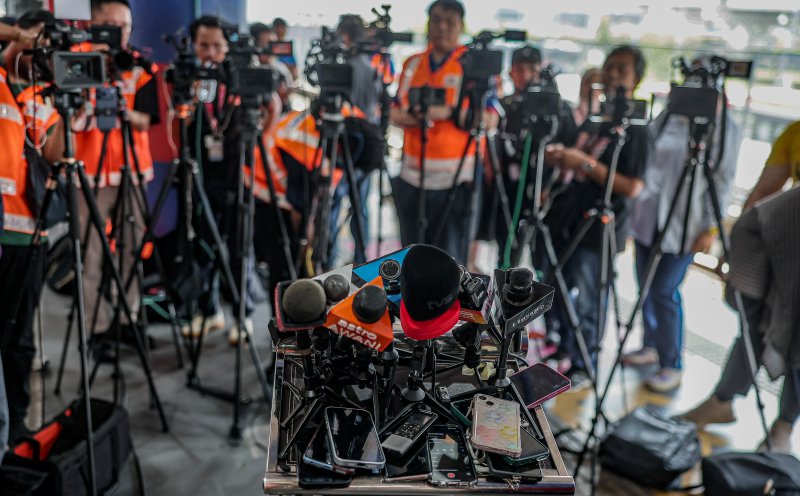
The term SLAPP has become increasingly common in discussions about press freedom. These are strategic lawsuits aimed at silencing critics, draining journalists' finances, or discouraging them from publishing critical stories. While such lawsuits can have a chilling effect on journalism, the source points out a potential danger: the over-application of the SLAPP label could lead to the treatment of any defamation case against a journalist as an attack on press freedom, regardless of intent.
The case of Malaysian Resources Corporation Berhad (MRCB) and its executive vice-chairperson Tan Sri Salim Fateh Din against veteran journalist P. Gunasegaram provides a useful example to explore this issue. The lawsuit demands RM100 million, raising concerns about its potential chilling effect on journalism. However, the source stresses that the merits of the case are now before the court.
Press freedom organizations have expressed worry over the lawsuit's excessive size and have called for its withdrawal. It is essential to remember that freedom of expression does not equate to freedom from responsibility. Article 10 of the Federal Constitution allows for the protection of reputation, alongside the right to freedom of speech and expression.
Both the Universal Declaration of Human Rights and the International Covenant on Civil and Political Rights recognize the tension between these rights. The source argues that a defamation lawsuit does not automatically violate human rights if it is legitimately and proportionately seeking to protect reputation rather than suppress legitimate public-interest speech.
A journalist should be prepared to defend their journalism, even if the allegations are serious. If the allegations withstand examination, truth should not be compromised based on the lawsuit's monetary value.
Written by urgent.news from New Straits Times's reporting — not their text. Machine-written — may contain errors; check the original before relying on it.