Volkswagen plans 50,000 more job cuts amid biggest overhaul in its history
Volkswagen, the world's second-largest automaker, is trying to get more nimble. It's planning huge job cuts as Chinese automakers step up competition.
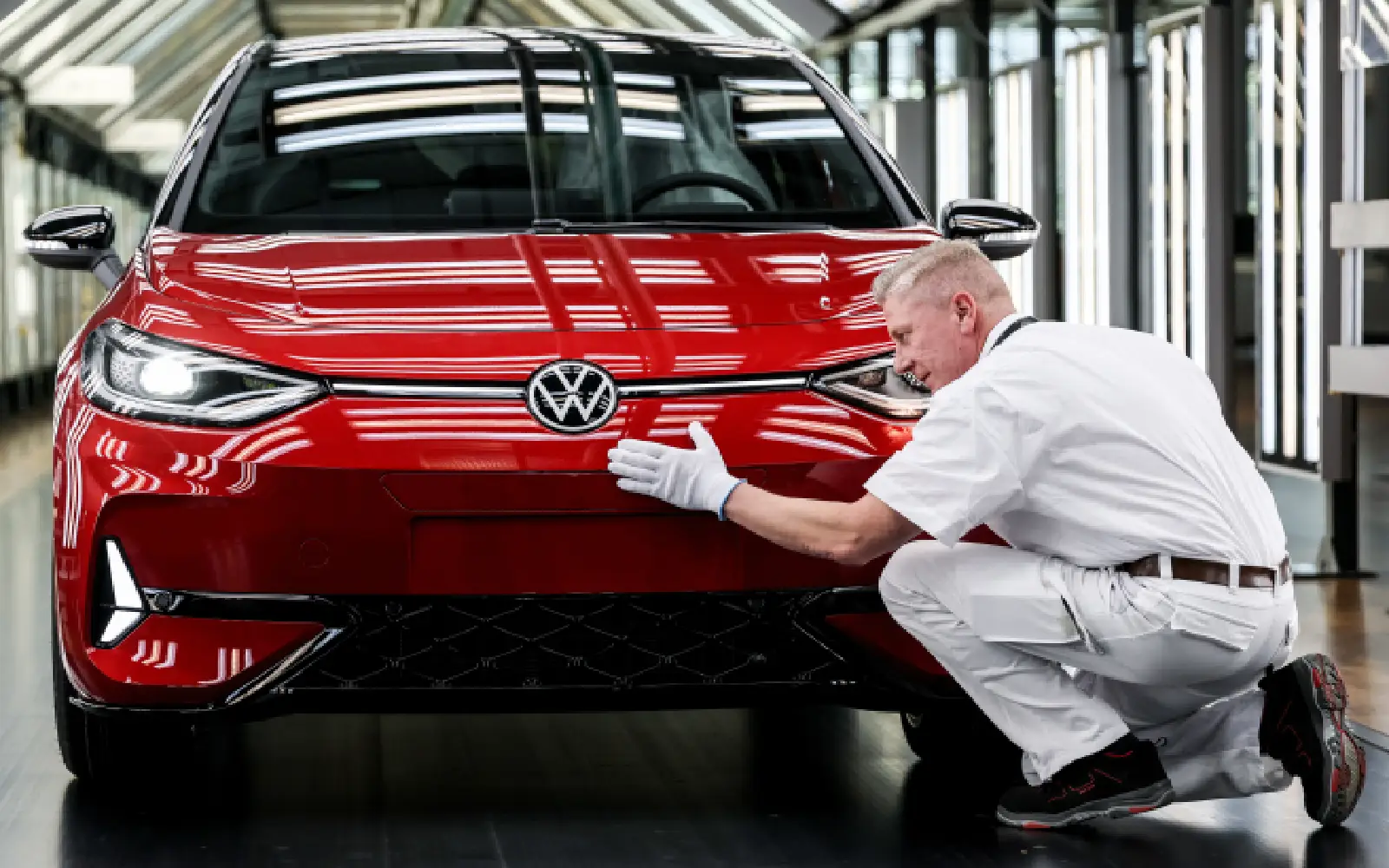
Volkswagen, the world's second-largest automaker, is set to cut 50,000 more jobs globally over the next three years as part of its largest-ever restructuring effort, Future Plan 2030. The decision comes amid intense competition from low-cost Chinese automakers, high energy prices, complex vehicle portfolios, and US auto tariffs.
On Thursday, Volkswagen's supervisory board approved the plan, describing it as the most extensive transformation program in its history. The restructuring includes a fundamental adjustment of the global workforce, including management roles, though the specific details of these cuts remain undisclosed.
The job cuts are part of a broader reset for the company, which plans to halve its model portfolio by 2035, reduce vehicle complexity by 75%, and aim to sell 9 million vehicles annually by 2030 with a 9% operating margin. This will involve fewer models and variants, higher volumes for the cars they retain, and lower costs across the group of brands, including Volkswagen, Audi, Porsche, Škoda, Seat, Cupra, Bentley, and Lamborghini.
The cost-cutting measures come at a challenging time for Volkswagen, which faces stiff competition from lower-cost Chinese automakers, particularly in Europe. The company is also grappling with the high costs of transitioning to electric vehicles, US automotive tariffs, and high energy prices. Volkswagen's European factories currently have the capacity to produce over 500,000 vehicles beyond current demand, leaving the future production plans for four German factories — Emden, Zwickau, Hanover, and Neckarsulm — uncertain until 2034. The company is considering alternative uses for these plants.
This move follows existing plans to cut over 35,000 jobs in Germany by 2030, agreed upon with labor representatives in 2024. However, it remains unclear how the new global target intersects with these earlier reductions.
Written by urgent.news from Business Insider's reporting — not their text. Machine-written — may contain errors; check the original before relying on it.