Virtual patching closes the gap as AI erases the patch window
Patch Tuesday used to buy defenders a short head start. Now the exploit often lands before the patch does, since automated scanners can weaponize a newly disclosed vulnerability within hours. That inversion is pushing security teams toward virtual patching: shielding an application from a known flaw at the network layer while the real fix is […] The post Virtual patching closes the gap as AI…
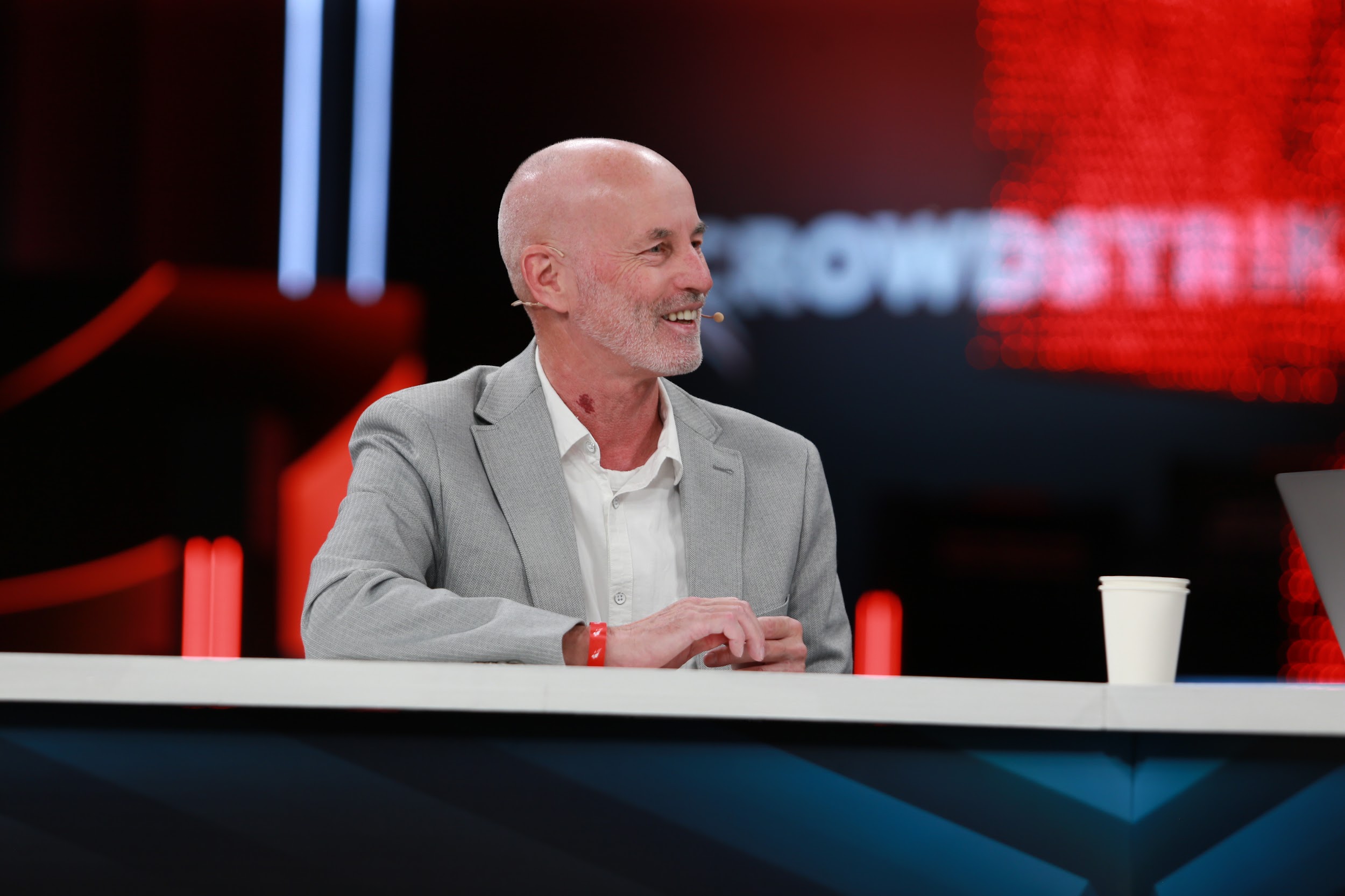
Virtual patching is becoming a crucial strategy as AI erodes the patch window. Traditionally, Patch Tuesday provided a brief window for defenders, but automated scanners can exploit newly disclosed vulnerabilities within hours. F5 Inc.'s chief marketing officer and head of technology alliances, John Maddison, highlighted the shift towards virtual patching, which shields applications from known flaws at the network layer while real fixes are tested and deployed.
Maddison noted that customers are increasingly demanding this protection as the gap between vulnerability disclosure and exploitation narrows. F5's customers now demand AI-powered security that can analyze traffic, identify threats in real-time, and stop zero-day attacks. Maddison spoke at Fal.Con, sharing that F5's partnership with CrowdStrike involves embedding the Falcon sensor onto F5's BIG-IP appliances, treating network traffic like that of laptops or cloud workloads.
More than 200 customers have adopted this integration, with only a 1% to 2% performance overhead. CrowdStrike's threat research shows a 89% year-over-year increase in AI-enabled adversary activity, with average breakout time reduced to 29 minutes, and the fastest recorded intrusion at 27 seconds. F5 is also addressing the emerging challenge of AI gateways through a partnership with Salesforce's MuleSoft, focusing on guardrails for AI gateways.
Written by urgent.news from SiliconANGLE's reporting — not their text. Machine-written — may contain errors; check the original before relying on it.