UN adopts Pakistan-led resolution on access to assistive technology
WASHINGTON: The UN General Assembly on Wednesday adopted by consensus a Pakistan-led resolution aimed at improving global access to affordable assistive technology, particularly in developing countries. The resolution, titled ‘Access to Assistive Technology’, is the first-ever General Assembly resolution specifically devoted to the issue. Introducing the resolution, Pakistan’s permanent…
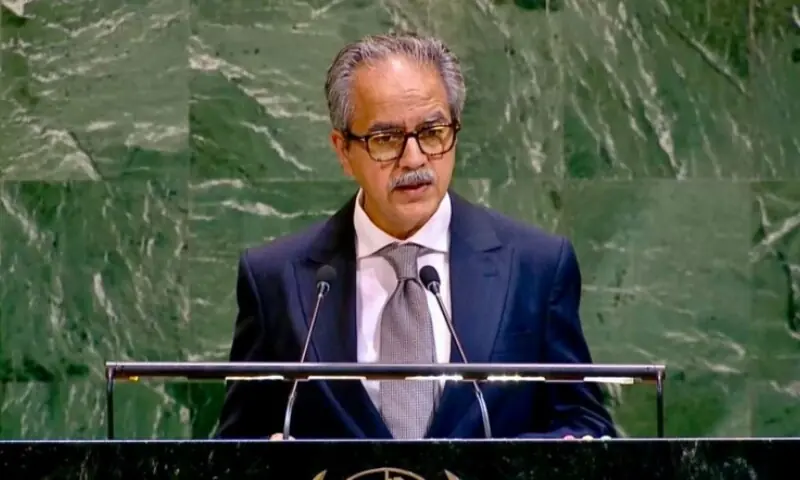
The United Nations General Assembly has unanimously adopted a Pakistan-led resolution focusing on enhancing global access to affordable assistive technology, particularly in developing nations. This marks the first-ever UN resolution dedicated to this issue. Pakistan's permanent representative to the UN, Ambassador Asim Iftikhar Ahmad, introduced the resolution titled 'Access to Assistive Technology', highlighting that approximately 2.5 billion people worldwide require one or more assistive products, devices, or related services.
However, many continue to encounter obstacles in accessing these resources, such as high costs, limited availability, inadequate infrastructure, restricted access, and shortages of trained personnel. Assistive technology encompasses a broad spectrum of products and services, ranging from wheelchairs, prosthetic limbs, and hearing aids to digital solutions like screen readers and communication devices.
These technologies enable children to attend school, assist adults in their work, help older individuals maintain independence, and promote the active participation of people with disabilities and certain health conditions in society. Ambassador Ahmad emphasized that "assistive technology is not merely a product or a device; it serves as the bridge connecting dependence to independence, exclusion to participation, and potential to opportunity."
The resolution ties access to assistive technology to broader development and inclusion goals, including education, employment, healthcare, social protection, and societal participation. It underscores the importance of international cooperation, funding, and technical assistance for countries with resource and capacity limitations, especially in developing nations.
Moreover, the resolution acknowledges that the demand for assistive technology remains constant, even during emergencies, urging countries to integrate such technology into their emergency preparedness and response plans, including in the context of armed conflicts and natural disasters. The resolution's drafting and negotiation were spearheaded by Counsellor Saima Saleem, Pakistan's first visually impaired career diplomat and an active user of assistive technology.
Her firsthand experience as an advocate for assistive technology brought a unique perspective to the initiative, aimed at leveraging technology to improve independence, opportunities, and equal participation for all. Pakistan has a history of championing this cause, having initiated World Health Assembly Resolution 71.8 on improving access to assistive technology in 2018, which was also adopted by consensus.
Written by urgent.news from Dawn - Pakistan's reporting — not their text. Machine-written — may contain errors; check the original before relying on it.
This story
This is one outlet's version. Read the fullest account.