Ugly AI Food Photos Are Only the Beginning
Restaurant menus with AI-generated food images are going viral for their off-putting aesthetic. But AI’s impact on modern menus runs even deeper.
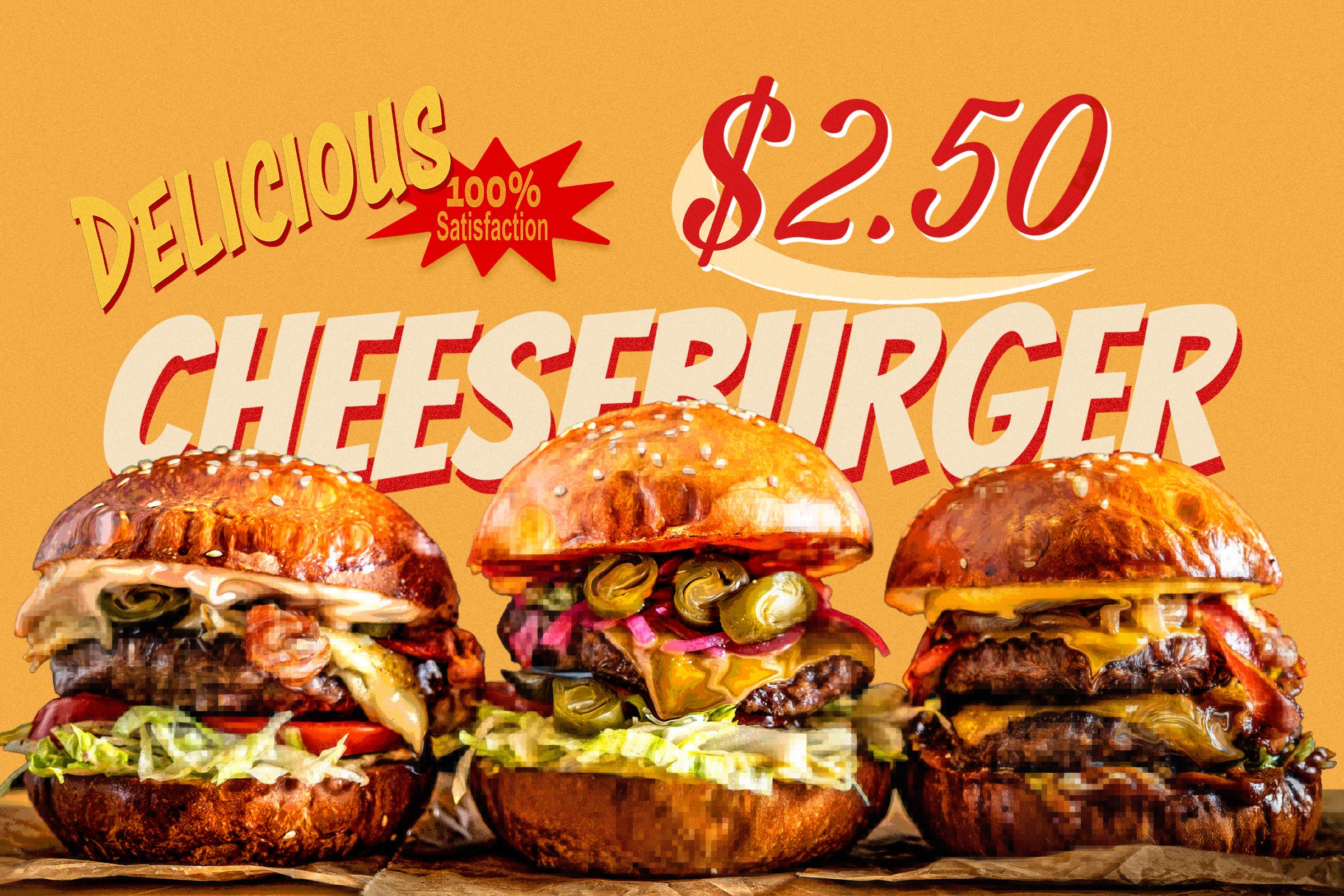
Disturbing AI-generated food photos are now going viral, revealing an evolution from the "ChatGPT flyer pandemic." These images, featuring maggot-infested burritos and plasticky pasta, have consumers expressing their disgust online. The off-putting aesthetic, often marked by random holes or otherworldly cuts of meat, is a stark reminder of how generative AI tools have transformed restaurant menus.
Far from merely producing AI images of burgers, sellers are also relying on AI to determine what goes between those buns. The rise of online menus has led to this phenomenon, with consumers increasingly making food choices based on digital platforms. In response, restaurant owners have digitized their menus and created additional visuals, turning to generative AI images to boost visibility on delivery apps like DoorDash without incurring the costs of a traditional photoshoot.
While powerful AI models can generate photorealistic food images, many of these generated images are produced using less sophisticated tools. Brendan Sweeney, CEO and co-founder of Popmenu, notes that if a food image appears "completely inauthentic" and "obviously AI," the restaurant is making a poor decision. The once-digital AI menu slop is now creeping into the physical world, appearing on posters in coffee shops and signs displaying deli menus.
Restaurants have begun incorporating AI-generated elements into their physical spaces, sometimes without realizing how off-putting these low-quality images look. Beyond just images, AI tools are also influencing the content on local coffee shop menus. Tastewise, a leading data insights company in the food and beverage industry, partners with major brands like Nestlé, PepsiCo, and Kraft Heinz.
They offer "agentic" automations to help companies decide what foods to sell and how to sell them. Michael Bortinger, Tastewise's director of marketing and partnerships, highlights the need for guidance on what should be included on menus and in retail spaces, stressing the importance of training AI with billions of data points about consumer food preferences.
Tastewise's chatbot-style tool, TasteGPT, is available for purchase, allowing companies to gain insights into competitors' protein-enhanced foods and trending plant-based snack flavors. However, some suggested prompts reveal questionable food combinations, such as cake-flavored plant-based snacks and pickled pizza slices. While these ideas may seem absurd, restaurant owners are increasingly turning to AI tools to automate aspects of their businesses and optimize their online offerings.
A recent poll from Toast found that 85 percent of restaurateurs feel comfortable using AI tools and plan to use them even more extensively in the future. Instead of relying solely on AI-generated images, Sweeney suggests that restaurants use software like Popmenu to enhance real food images captured by smartphones, ensuring consistent lighting and overall presentation while maintaining authenticity.
As AI continues to reshape the food industry, some restaurants are going viral for their refusal to participate in AI-generated promotions, posting handwritten notes expressing their stance against the practice.
Written by urgent.news from Wired's reporting — not their text. Machine-written — may contain errors; check the original before relying on it.