Uber shuts operations in Nigeria, Uganda with immediate effect
By: Nana Karikari, Senior Global Affairs Correspondent Global ride-hailing giant Uber has officially announced the immediate closure of its operations in Nigeria, Africa’s most populous nation, alongside the East African country of Uganda. Management confirmed that the choice followed a comprehensive and thorough internal review of company performance. Uber launched its transport network in…
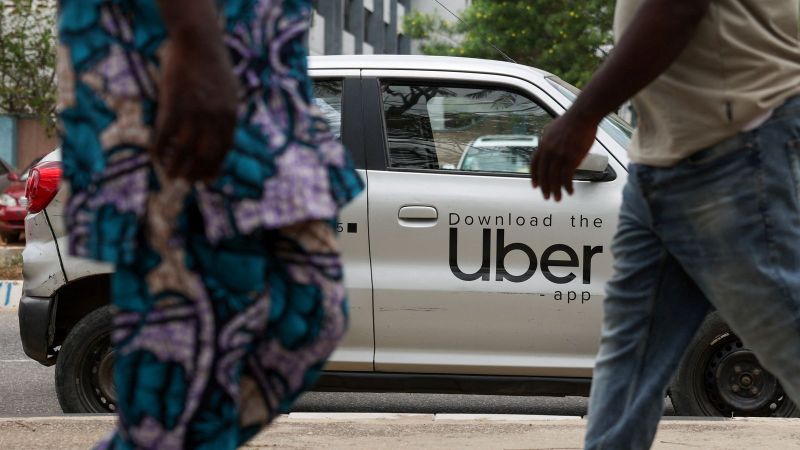
Uber has abruptly ceased its transportation services in Nigeria and Uganda, effective immediately. The ride-hailing giant cited a detailed internal evaluation of company performance as the reason behind this decision. Launched in Nigeria in 2014, and expanded to Uganda in 2016, these were the two African nations where the corporation was actively operating. Currently, Egypt, Ghana, Kenya, and South Africa are the remaining African markets where Uber maintains its operations.
This abrupt exit follows a strategic corporate restructuring, ordered by the Chief Executive Officer, Dara Khosrowshahi. The company plans to reduce its global workforce by ten percent, resulting in over 3,000 job losses. This decision comes after Uber pulled out of Ivory Coast and Tanzania within the past year, shrinking its footprint in developing regions to focus on other areas.
In Nigeria, drivers and operators have long complained about the low base fares and high commission deductions, making it difficult to earn a profit amidst rising fuel costs. The situation worsened after the removal of a fuel subsidy in 2023, leading to a surge in petrol prices following tensions between the U.S. and Iran. Despite attempts to overcome these obstacles, such as the introduction of a specialized boat service in Lagos, Uber faced intense competition from rivals like Bolt and inDrive, as well as domestic operators.
In Uganda's capital, Kampala, alternative platforms like Faras, Bolt, and SafeBoda are expected to fill the void left by Uber's departure. The company has assured stakeholders that the decision only affects these two markets and does not impact its operations elsewhere in Africa. They expressed their continued commitment to sub-Saharan Africa, where they see strong growth and opportunities.
As part of the transition process, Uber promised to provide administrative support to affected local personnel and driving partners. Help centers will remain operational through September 23 to address any outstanding administrative and financial matters. This significant retreat by Uber and other multinational technology firms in emerging economies highlights a broader recalibration, driven by economic pressures, fluctuating global energy markets, and the need to balance expansion with operational sustainability.
The future of app-based transportation services will likely hinge on adaptive regulatory environments, localized cost structures, and productive labor negotiations.
Written by urgent.news from GBC Ghana's reporting — not their text. Machine-written — may contain errors; check the original before relying on it.