Toilet paper becomes a kitchen table issue for Trump again as Canada’s retaliatory tariffs could spell another shortage
A tariff fight with Canada is pushing tissue prices higher, echoing the shortage scare that preceded his 2020 election loss.
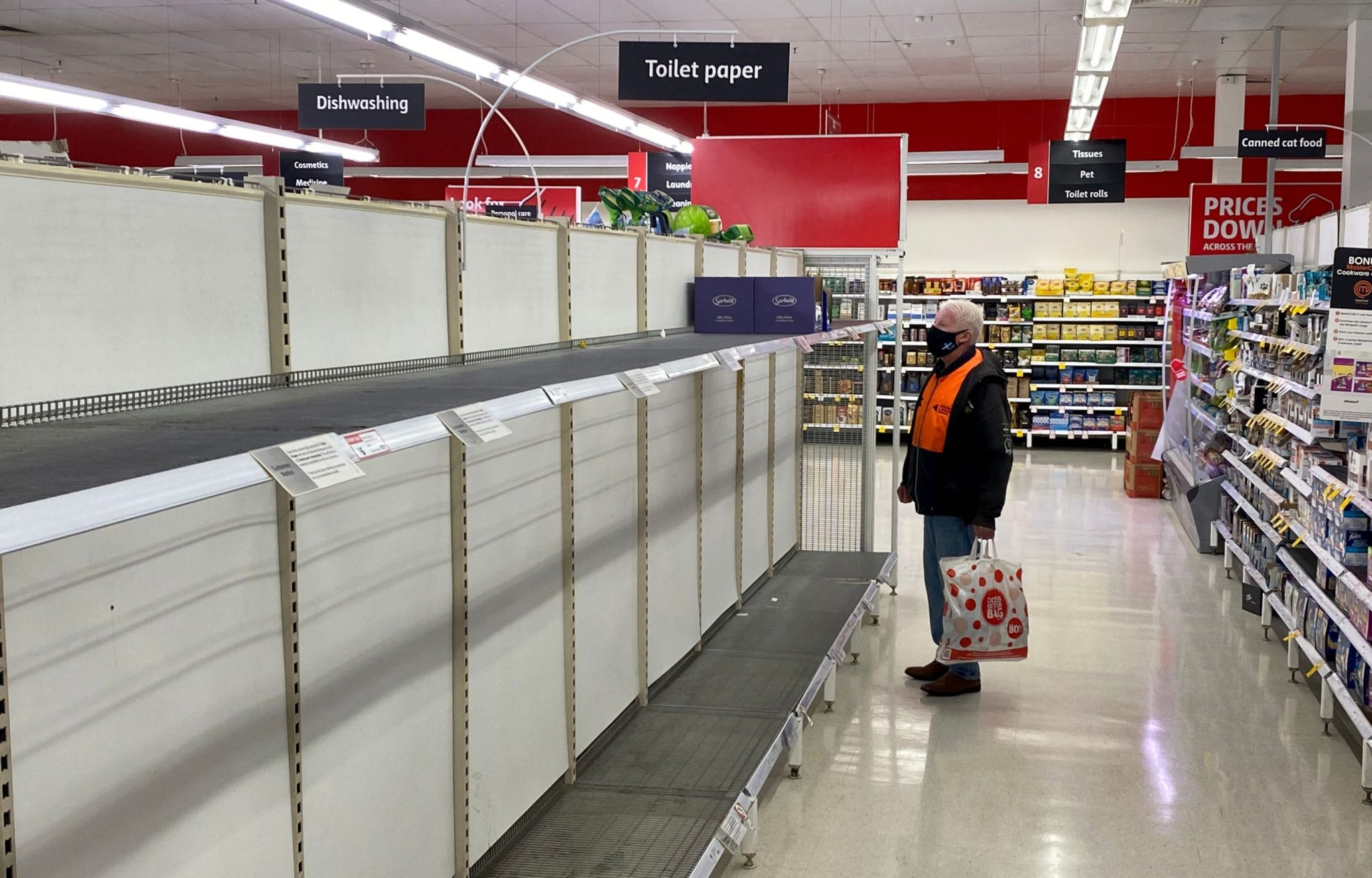
Donald Trump finds himself once again grappling with toilet paper shortages as Canada levies retaliatory tariffs on American goods. Following the breakdown of trade talks between the U.S. and Canada in late August 2026, Washington imposed a 50% tariff on roughly $20 billion worth of Canadian products under Section 338 of the Tariff Act of 1930.
Canadian Prime Minister Mark Carney vowed to match the U.S. "dollar for dollar" and retaliated with tariffs on nearly 900 American products, effective September 8. Among the targeted items are toilet paper and paper products. The dispute extends beyond paper goods, with Canada imposing a 25% duty on U.S. dairy products, 50% on paper towels, napkins, and raw wood pulp, and 50% on American fish and seafood, including frozen lobster.
This is in response to U.S. tariffs, including a 25% tariff on Canadian cars and auto parts. If no deal is reached by January 1, 2027, Trump has threatened to double the auto tariff to 50%. The U.S., comprising just 4% of the world's population, consumes over 20% of the world's tissue supply, averaging 141 rolls per person annually.
In 2024, Canada provided $328 million worth of toilet paper to the U.S., more than any other country. The supply chain is complicated, as American factories rely on northern bleached softwood kraft pulp, 30% of which comes from Canadian forests. Procter & Gamble, the maker of Charmin, notes that tariffs are creating a $0.25-per-share earnings headwind and are raising prices on certain products.
Americans are bearing the brunt of Trump's tariffs, with the Federal Reserve reporting that tariffs have fully passed through to consumer prices. The American Forest & Paper Association argues that any shortages would be localized rather than nationwide. Ahead of the midterms, Trump's economic approval ratings have dropped, with only 39% of Americans approving of his handling of inflation and 30% approving of his job performance.
Written by urgent.news from Fortune's reporting — not their text. Machine-written — may contain errors; check the original before relying on it.