These Meta Glasses Alternatives Found a Way to Last Longer With Snap-On Batteries
HTC’s Vive Eagle do a lot of what Meta’s glasses do, cameras included. But the extra battery boost might be a sign of where Meta and others head.
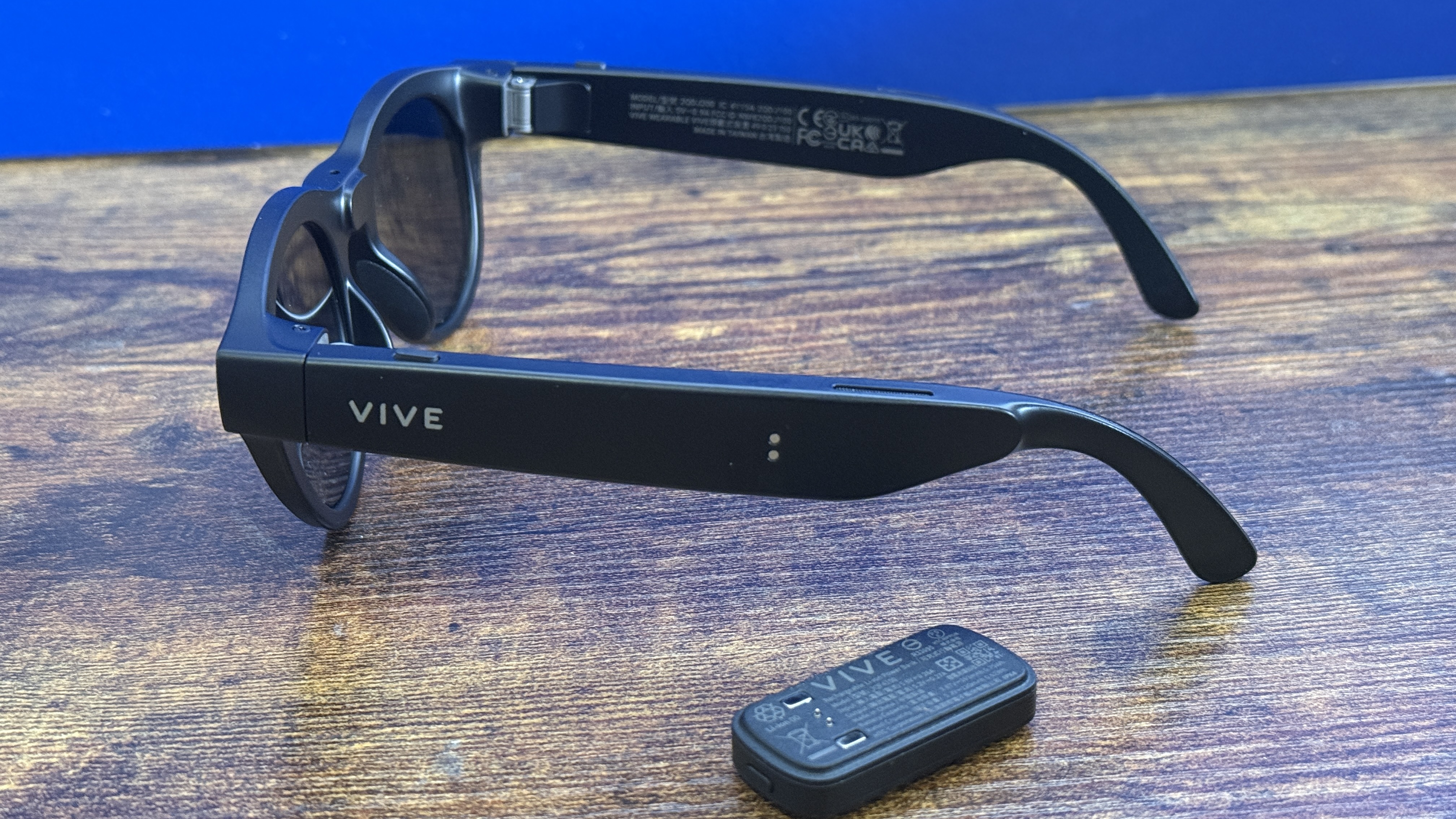
In the world of smart glasses and AI wearables, a new solution has emerged to extend their battery life: snap-on battery packs. These affordable accessories, priced at $49, can be attached to the glasses to provide an instant power boost, lasting roughly four to five hours. This innovation, initially seen in HTC's Vive Eagle glasses, could soon be adopted by other brands, including Meta.
The HTC glasses, available for $499, boast a range of features similar to Meta's offerings. They come in various colors and styles, and while the build quality is sturdy, they resemble generic Ray-Bans. The glasses are powered by Google Gemini or OpenAI models, which can be selected via the glasses app. However, HTC's AI service isn't directly linked to Google or OpenAI accounts.
A standout feature of the HTC glasses is their magnetic Power Boost battery pack. This small accessory snaps onto the glasses' charging pins, offering an extra power supply when the internal battery is depleted. With this battery boost, users can keep the glasses running continuously for longer periods, potentially even eliminating the need to remove them from their face for recharging.
Meta's smart glasses, on the other hand, last four to eight hours per charge but require removal to recharge in their case. This difference in battery management allows HTC's glasses to function without the need to detach the device, making it more convenient for users who prefer to wear their glasses continuously.
While the audio and microphone quality of HTC's glasses is comparable to Meta's, the AI service differs. HTC's glasses utilize their own AI chatbot, powered by Google Gemini or OpenAI models, and cannot connect to users' personal Google or OpenAI accounts. Additionally, the glasses offer live translation in 90 languages, requiring a nearby phone app and recent app usage.
Privacy features are also present in HTC's glasses. The LED light on the frame indicates when recording is active, allowing users to cover the light to disable recording when needed. Photos and videos are stored locally on the user's phone, rather than being shared with HTC's cloud. Furthermore, HTC offers a subscription service for $3 per month, which includes two years of service with the purchase of the glasses. This subscription model may set a precedent for other companies to follow in the wearable tech market.
Written by urgent.news from CNET's reporting — not their text. Machine-written — may contain errors; check the original before relying on it.