The surprising reason our memories become blurred as we age, according to new neuroscience research
Scientists have uncovered a surprising twist in how our minds age. A new brain scanning study shows that a mechanism designed to protect our memories eventually begins to blend them together, leading to everyday confusion.
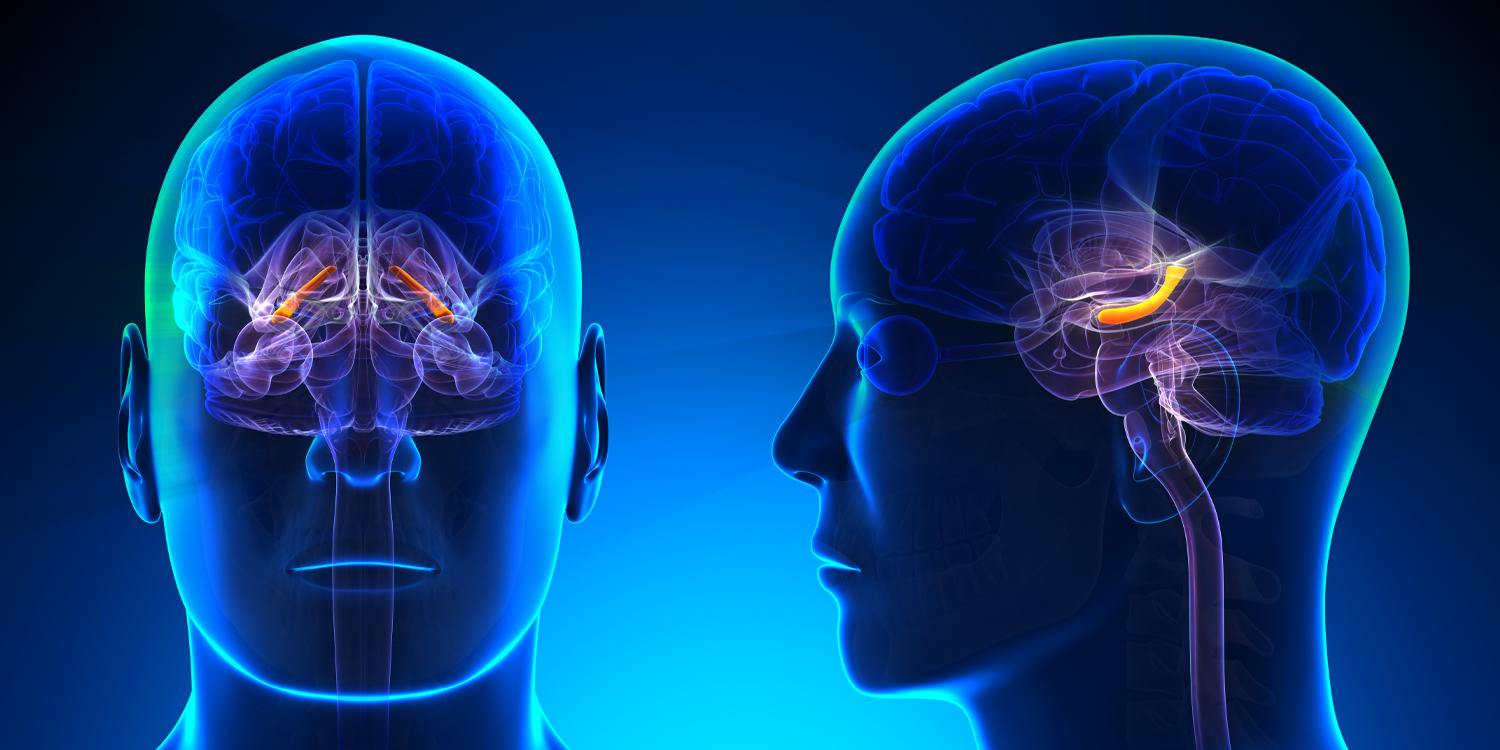
A recent study published in the Cerebral Cortex explores why older adults often experience memory errors by examining the changes in how the brain processes and stores complex memories as people age. Traditionally, the hippocampus, a crucial brain structure for learning and memory, has been associated with forming accurate, detailed recollections of specific events.
However, this new research reveals that as individuals grow older, the hippocampus shifts its function, moving from precise memory recall to broader, less accurate associations. This shift helps explain the common memory lapses experienced by older adults in daily life. The study, led by Ian M. McDonough, used functional magnetic resonance imaging (fMRI) to observe the brain's memory consolidation process, finding that older adults tend to form excessive, unintended associations, leading to memory confusion.
This change in brain function occurs in middle age and is partially attributed to alterations in the hippocampus's functioning. The researchers emphasize the need for more comprehensive studies that integrate data across different stages of memory, from learning to retrieval, to better understand these age-related memory shifts.
Brief written by urgent.news from PsyPost's own syndicated text. Machine-written — may contain errors; check the original before relying on it.