The summer we love is slipping away
From the Southwest to the Jersey shore, climate change is altering the traditions and norms that have defined summer for generations.

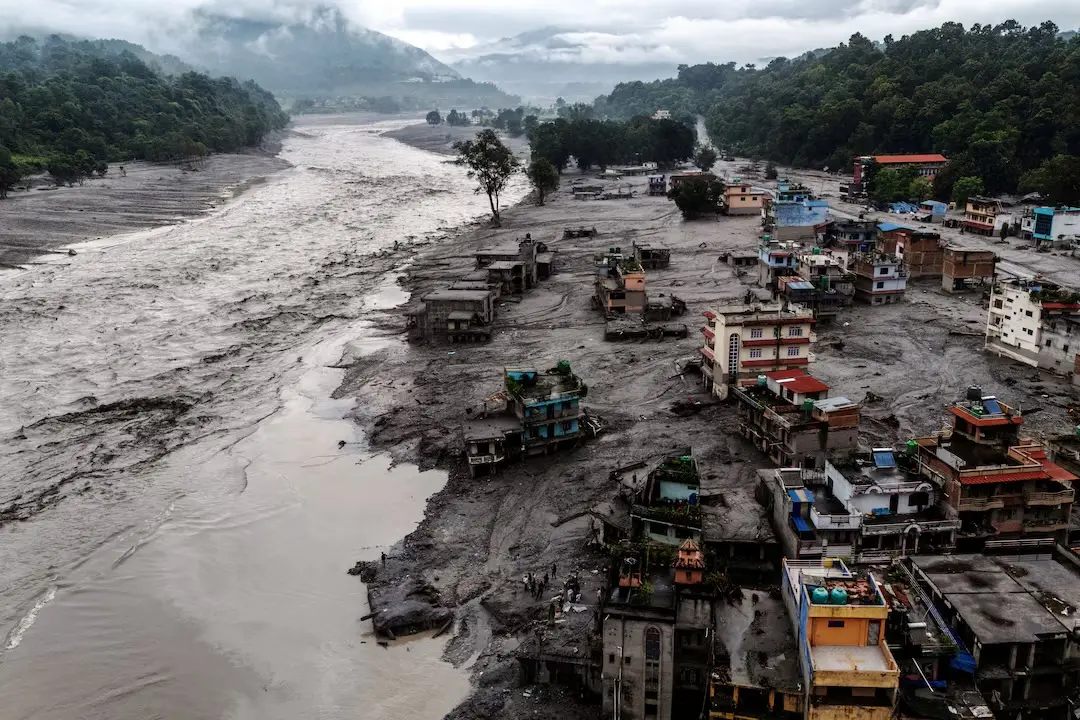
The summer we once cherished is gradually fading away, as climate change reshapes our traditions and the essence of this season across the Southwest to the Jersey shore. Grist staff have observed these transformations over the past five decades, with annual hot-season temperatures soaring up to 4 or 5 degrees Fahrenheit higher than before. July 2026 set a record as the hottest month ever recorded for the contiguous United States, according to the National Oceanic and Atmospheric Administration.
This shift is causing the erosion of our familiar summer norms. Traditions like the swarms of fireflies dancing at dusk in Georgia, the refreshing monsoon rains in Arizona, and the pleasant mountain summers in the Rockies are becoming less predictable. As the planet continues to warm, our cherished relationships with the places we hold dear are evolving, making the summer we once knew harder to find.
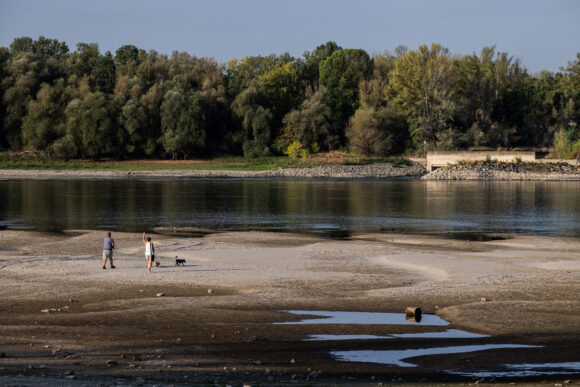
In the Southwest, this change is particularly evident. The region is experiencing more frequent and intense heat waves, prolonged droughts, and sudden downpours. These extreme weather events disrupt the delicate balance of local ecosystems, altering the availability of water for outdoor activities and the timing of seasonal blooms and harvests. As the climate continues to shift, the summer we once knew is becoming a distant memory, replaced by a new reality that challenges our relationship with the natural world.
Written by urgent.news from Grist's reporting — not their text. Machine-written — may contain errors; check the original before relying on it.