The Origin Of DUSU: How A 1947 Proposal Became Delhi University’s Powerful Campus Political Force
New Delhi: Just days before India became independent, Delhi University was considering an idea that would eventually pave the way for one of the country's most prominent platforms for student representation -- a student union. The Delhi University Students Union (DUSU) traces its origins to August 6, 1947, when the university first considered a proposal to create a representative body for its…
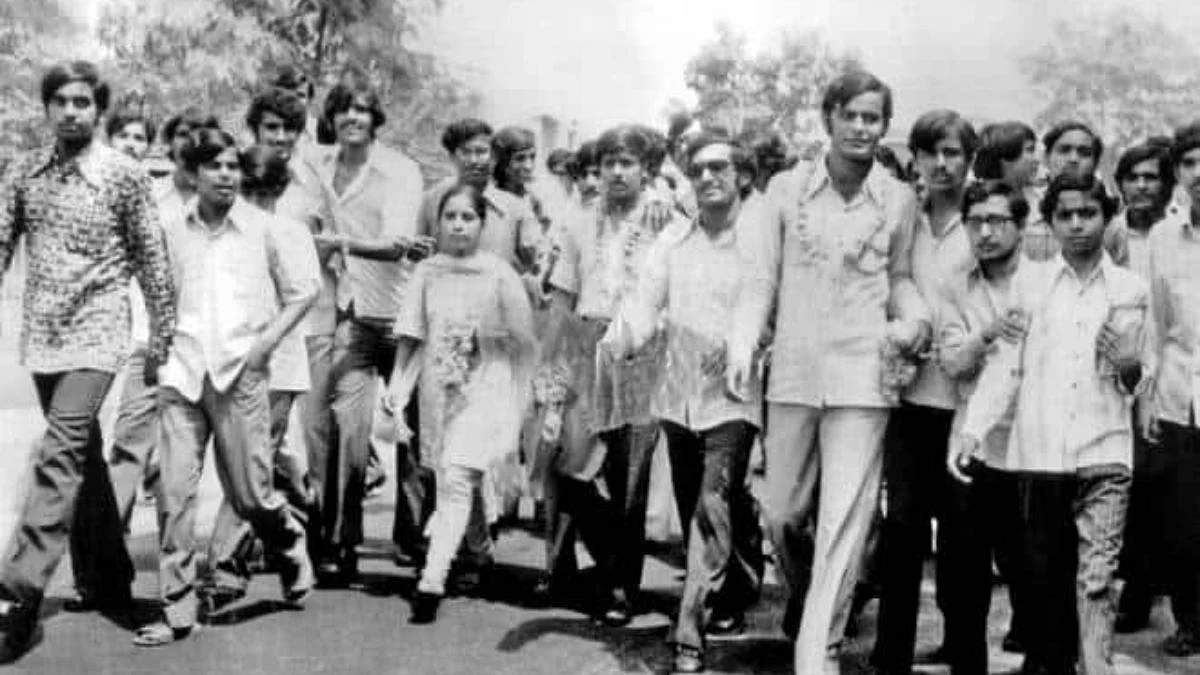
In the final days of British rule in India, Delhi University contemplated a proposal that would lay the foundation for a significant student organization. On August 6, 1947, just days before India gained independence, the university's Vice-Chancellor proposed the creation of a representative body for students. The idea was approved, and a committee was formed to draft the constitution and procedures.
The proposed student union, later known as Delhi University Students Union (DUSU), aimed to represent students from various colleges and faculties within the university. The early years of DUSU were marked by financial challenges and questions about its administration, but it gradually evolved into a well-structured student body with a clear hierarchy.
In 1973, the university implemented an interim constitution that established a detailed administrative structure, including the Vice-Chancellor as the patron, a staff adviser, a treasurer, and elected office-bearers such as the president, vice-president, secretary, and assistant secretary. The union's supreme authority was vested in its Central Council, comprising representatives from affiliated colleges, elected members, and various officials.
This system aimed to combine direct student representation with institutional oversight. Today, DUSU stands as one of India's most prominent student representative bodies, with its elections garnering national political attention and producing leaders who have made significant contributions to public life.
Written by urgent.news from Free Press Journal's reporting — not their text. Machine-written — may contain errors; check the original before relying on it.