The Last Embers Are Burning: On Ali Mazrui and the scholarship we forgot to save
This tribute to Ali Mazrui, if I can call it that, reached me as the passing of yet another great, John Hyde, left me reflecting on an era I tend to call “the golden age of scholarship in post-colonial Africa.” Will we ever see that degree of brilliance again, as our public universities have been […]
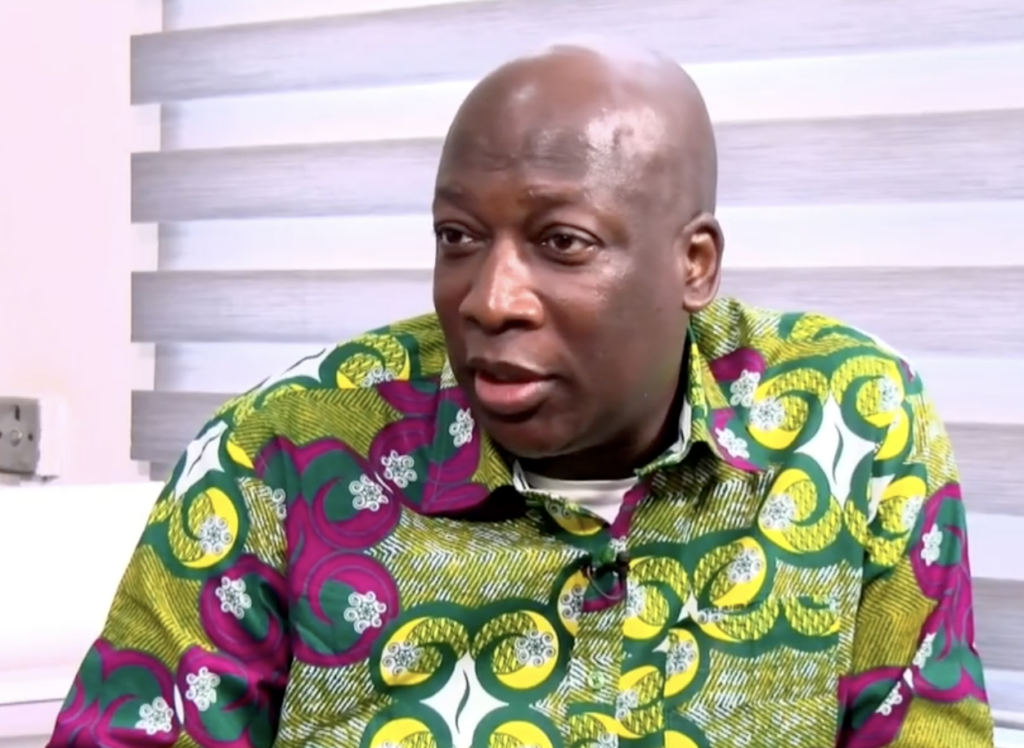
The passing of Ali Mazrui, a highly intelligent and outspoken scholar, has left a sense of loss akin to the recent loss of another distinguished individual, John Hyde. Reflecting on the golden age of scholarship in post-colonial Africa, one cannot help but wonder if such a level of brilliance can be replicated as public universities continue to suffer from neglect.
A significant concern arises from the fact that much of the scholarship of this distinguished generation of scholars is being lost to digital records, which could then lead to epistemic biases in global discourses shaped by AI tools.
With the digitalization of knowledge, Africa had long struggled due to its reliance on oral tradition rather than written records. As a result, a significant portion of Africa's history remains undocumented, leaving future generations vulnerable to a lack of historical context. Recognizing the importance of digital preservation, countries such as China, Singapore, and others have made digital knowledge capture a national priority.
Turning our attention to Ali Mazrui, he was indeed a brilliant scholar with a knack for literary and rhetorical brilliance. His phrases and ideas, such as "lumpen-militariat" to describe near-illiterate coup-makers and his critiques of Nigeria's foreign policy, remain memorable to this day. One of his most significant productions, the Triple Heritage series, aimed to explain Africa's history.
However, this concept was overly simplistic and diminished the agency of Africans in shaping their history. Moreover, Mazrui's controversial remarks about Wole Soyinka, including accusations of Islamic fundamentalism, demonstrated the intensity of debates between influential African scholars in the past.
One notable moment occurred when Mazrui and Soyinka engaged in a heated public debate, showcasing their sharp intellects but also highlighting the juvenile nature of their exchanges. This debate was marked by the involvement of other prominent figures, such as Louis D. Gates Jr., who attempted to democratize responsibility for the transatlantic slave trade in a documentary.
While I disagree with Gates' perspective, it is crucial to consider the complexities of historical events and the role of various parties, including those from the oppressed side.
In conclusion, the loss of Ali Mazrui represents a missed opportunity to preserve a wealth of African scholarship, which could otherwise inform future generations and help address the challenges posed by AI and global discourse. The debates among African scholars during this time, though intense, underscore the importance of constructive dialogue in preserving our collective knowledge and heritage.
Written by urgent.news from MyJoyOnline Ghana's reporting — not their text. Machine-written — may contain errors; check the original before relying on it.