The Gulf’s next chapter will require resilience, foresight and co-operation
There are moments in history when geography becomes destiny. The Gulf is living through one of them. Over the past six months, the UAE, the wider Gulf, the Middle East and the world have found themselves caught in the consequences of a conflict that began with US and Israeli military action over Iran’s growing nuclear threat and has since evolved into a far wider strategic confrontation. What…
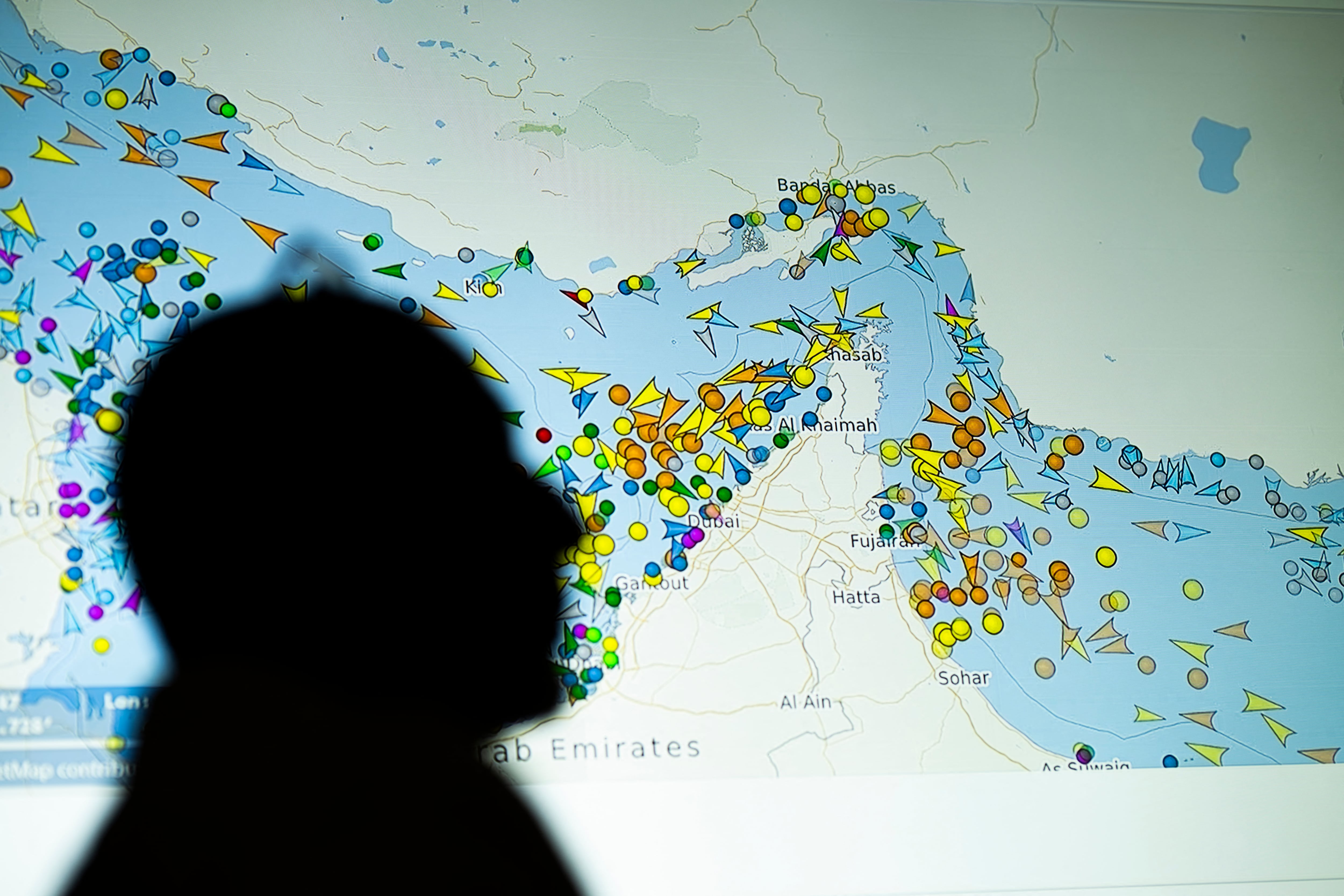
The Gulf is experiencing a pivotal moment in its history, as geography has become its destiny. Over the past six months, the UAE, the wider Gulf region, and the Middle East have been caught up in a series of consequences sparked by a conflict that began as a military crisis involving US and Israeli military action against Iran's nuclear threat.
This conflict has now expanded into an economic and geopolitical crisis, impacting energy markets, shipping lanes, supply chains, diplomacy, and national security calculations. The Strait of Hormuz has become a strategic pressure point, with disruptions reverberating through energy markets and global trade, while attacks on commercial vessels have highlighted the potential for a regional confrontation to threaten international economic arteries.
The UAE, as a Gulf state, major global trading hub, diplomatic actor, and bridge between regions and economies, is exposed to these pressures on multiple fronts. The third edition of the Hili Forum in Abu Dhabi, themed "Gulf at Crossroads: Conflict, Consequences and Course Correction," is timely in addressing these challenges. The forum, co-organized by the Emirates Centre for Strategic Studies and Research and the Anwar Gargash Diplomatic Academy, aims to shed light on three key questions: what has happened, what is currently occurring, and what could and should happen next.
The discussions at the forum will explore how Gulf countries can enhance their crisis management capabilities, bolster the resilience of critical maritime and economic corridors, leverage technology to transform competition and cooperation, envision potential changes in regional defense mechanisms and security architecture, contemplate the future relations between GCC countries and Iran, and understand the evolving role of middle powers in an international system undergoing significant change.
The Hili Forum seeks to foster strategic foresight, constructive dialogue, and practical cooperation, emphasizing that in an interconnected world, dialogue and collaboration must transcend borders rather than lead to greater isolation.
Written by urgent.news from The National Business's reporting — not their text. Machine-written — may contain errors; check the original before relying on it.
This story
This is one outlet's version. Read the fullest account.
- The Gulf’s next chapter will require resilience, foresight and co-operation thenationalnews.com