The Data Hunger Crisis: Why Computer Vision AI Is Starving for Real-World Images
The internet era of free training images is over. Why computer vision's real bottleneck isn't model architecture and it's the scarcity of real-world data.
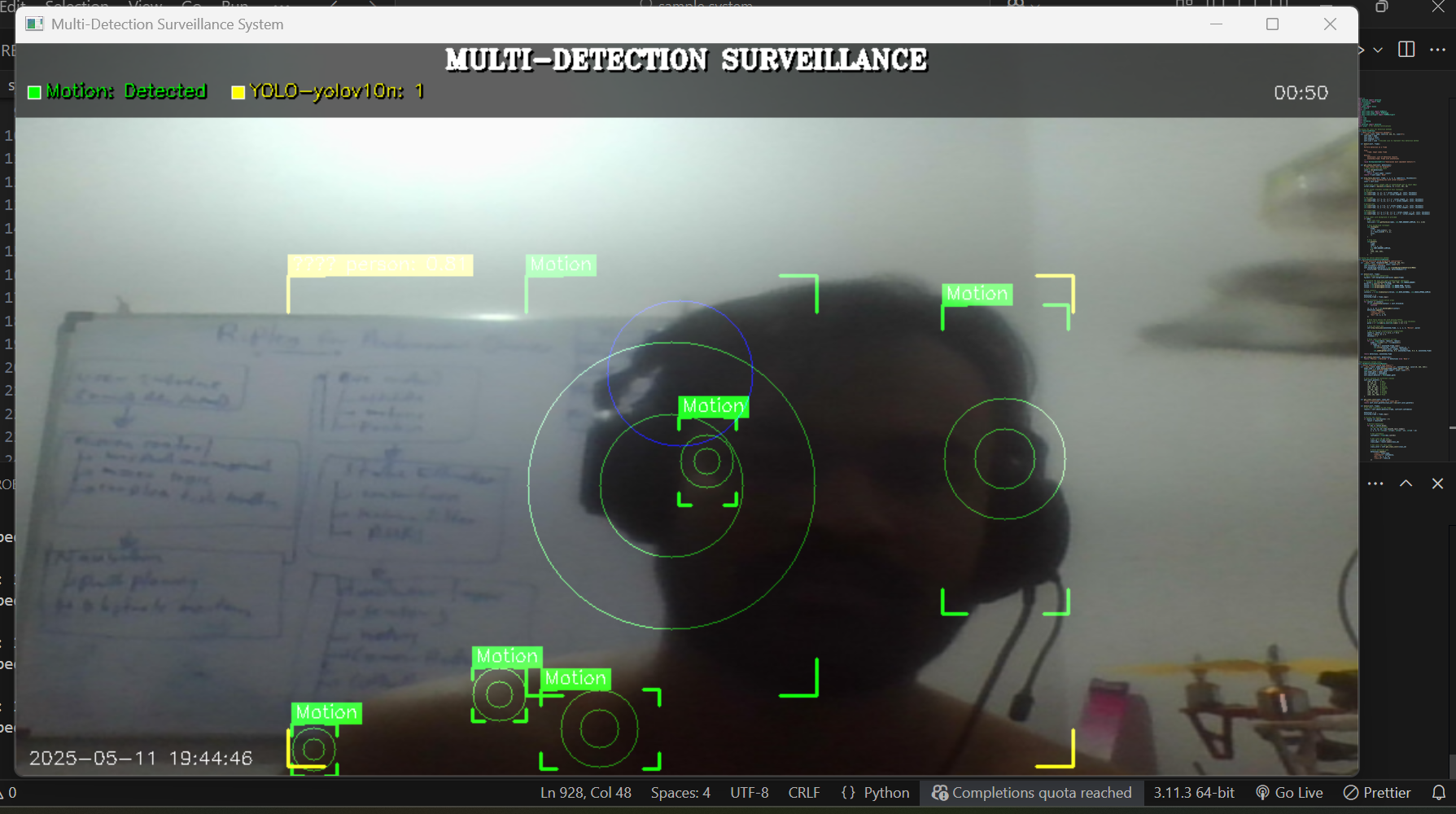
Computer vision technology has reached remarkable levels of capability, enabling autonomous driving, tumor detection, and warehouse automation. However, the success of these systems relies on a crucial yet often overlooked component: vast amounts of meticulously labeled, real-world visual data. The field is now facing a data shortage crisis as models become more powerful, and their deployment demands grow. This article explores the origins of this gap, the limitations of existing fixes, and potential solutions.
Real-world data refers to images that accurately reflect the conditions a deployed model will encounter – including factors like lighting, weather, occlusion, sensor noise, and rare edge cases. Real-world data is messy and challenging to collect, making it expensive and irreplaceable. The scale of the problem is illustrated by the millions and billions of annotated images required to train modern object-detection and segmentation models.
Labeling images is the most significant bottleneck, with skilled annotators capable of labeling only a few hundred to a few dozen images per day. The pool of qualified annotators is also limited, particularly in specialized domains like pathology and industrial defect detection. This narrow talent pool exacerbates the problem, particularly in safety-critical applications where rare cases can have severe consequences.
The canonical benchmark datasets have helped standardize computer vision research but also suffer from significant flaws. They heavily favor certain visual contexts, often biased toward Western, urban, well-lit environments typical of consumer cameras. Deploying these models in diverse settings like rural Southeast Asia, underground mines, or operating theaters reveals the inadequacy of such data.
Domain shift, the divergence between training and deployment data, is an inherent challenge in computer vision. Even well-designed datasets cannot guarantee that a model will perform well in the real world. A pedestrian detector trained on daytime footage may fail at night, and a defect model trained on a single factory's cameras may become ineffective when the camera is changed.
The legal landscape is also changing, with privacy regulations and data protection laws becoming increasingly stringent. In 2026, the era of indiscriminate web scraping may come to an end, and AI training data lawsuits are becoming more common. Getty, for example, began licensing its data to OpenAI as a response to legal pressures.
In conclusion, the data shortage crisis in computer vision is a multifaceted problem that demands attention from researchers, developers, and policymakers alike. Improving data collection, annotation, and representation is crucial to ensure that computer vision systems can benefit from real-world complexity and complexity.
Written by urgent.news from HackerNoon's reporting — not their text. Machine-written — may contain errors; check the original before relying on it.