Tech pilgrims flock to China as global innovation race heats up
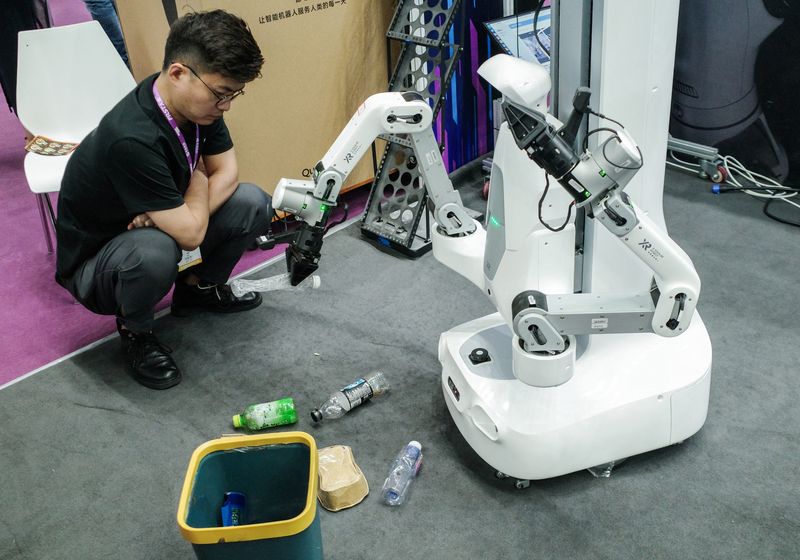
China is attracting foreign visitors eager to witness the country's rapid technological advancements. Investors and entrepreneurs are paying premium prices to observe humanoid robots in factories, AI models competing with global counterparts, and electric-vehicle production lines churning out vehicles at a rapid pace. The surge in interest is driven by concerns over a potential "China shock" 2.0, as Western businesses recognize China's growing dominance in advanced manufacturing and cutting-edge technologies.
Robert Wu, CEO of Shanghai-based data research firm Baiguan, notes that visitors often arrive with misconceptions about China's technological capabilities. Wu has organized tours for over two dozen investors and executives, charging up to $15,000 for a five-day program. Many attendees prefer to keep their visits under wraps.
China's industrial tourism sector brought in $17.8 billion last year and is projected to exceed 300 billion yuan ($44.6 billion) by 2029. Tech tour agency Glopen reports a 50% increase in inquiries in 2026, primarily from European and Singaporean clients. Glopen now conducts over 100 single-day company tours monthly, covering Beijing, Shenzhen, Shanghai, Hangzhou, and Hefei - the key cities driving China's electric-vehicle, battery, AI, and robotics sectors.
World leaders, including U.S. tech podcaster Lex Fridman, have joined these innovation tours, which span the aforementioned cities. Chinese American investor Rui Ma, founder of Tech Buzz China and organizer of 11 such tours since 2019, emphasizes that understanding China's innovation ecosystem is crucial for global business leaders.
Ma states, "Even if you’re not actively investing in China, you’re increasingly likely to encounter Chinese companies as competitors, partners, suppliers, or investments in markets around the world."
Beijing has actively promoted industrial tourism, designating over 140 official demonstration sites. Many factories now offer public tours at a modest price of around $60 per person. Xiaomi's electric-vehicle factory has welcomed more than 250,000 visitors since March 2024, with demand so high that lottery-awarded entry slots are resold online for up to $300.
European executives facing challenges in productivity growth and AI/robotics advancements view China as a vital destination for learning. AI consultant Alex Shengyun Lu, who has led seven delegations of up to 50 corporate visitors since late 2025, observes a growing sense of humility and eagerness to learn among European executives. They seek to understand China's statewide approach to technology investment and AI deployment, aiming to apply these insights back home.
Despite China's technological prowess, some experts caution against overestimating the country's lead. Non-Chinese tech companies still hold a substantial portion of the global market share, possess advanced intellectual property, and generate the highest profits. However, the influx of tech pilgrims remains robust, even amid escalating U.S.-China technology tensions.
U.S. manufacturing consultant Joshua Woodard, based in Shenzhen, highlights that U.S. robotics companies continue to source components and hardware from China, finding it difficult to fully decouple from the country's manufacturing capabilities. Shenzhen, the southern technology hub, is capitalizing on this trend by positioning itself as a showcase for Chinese innovation and preparing to host the Asia-Pacific Economic Cooperation forum in November.
Written by urgent.news from Investing.com's reporting — not their text. Machine-written — may contain errors; check the original before relying on it.
This story
This is one outlet's version. Read the fullest account.