TCL Supercharges Its Stunning Nxtpaper Displays With the P80 Ultra
The TCL P80 Ultra and Pro will be the company’s first phones to use its fancy paper-like displays.
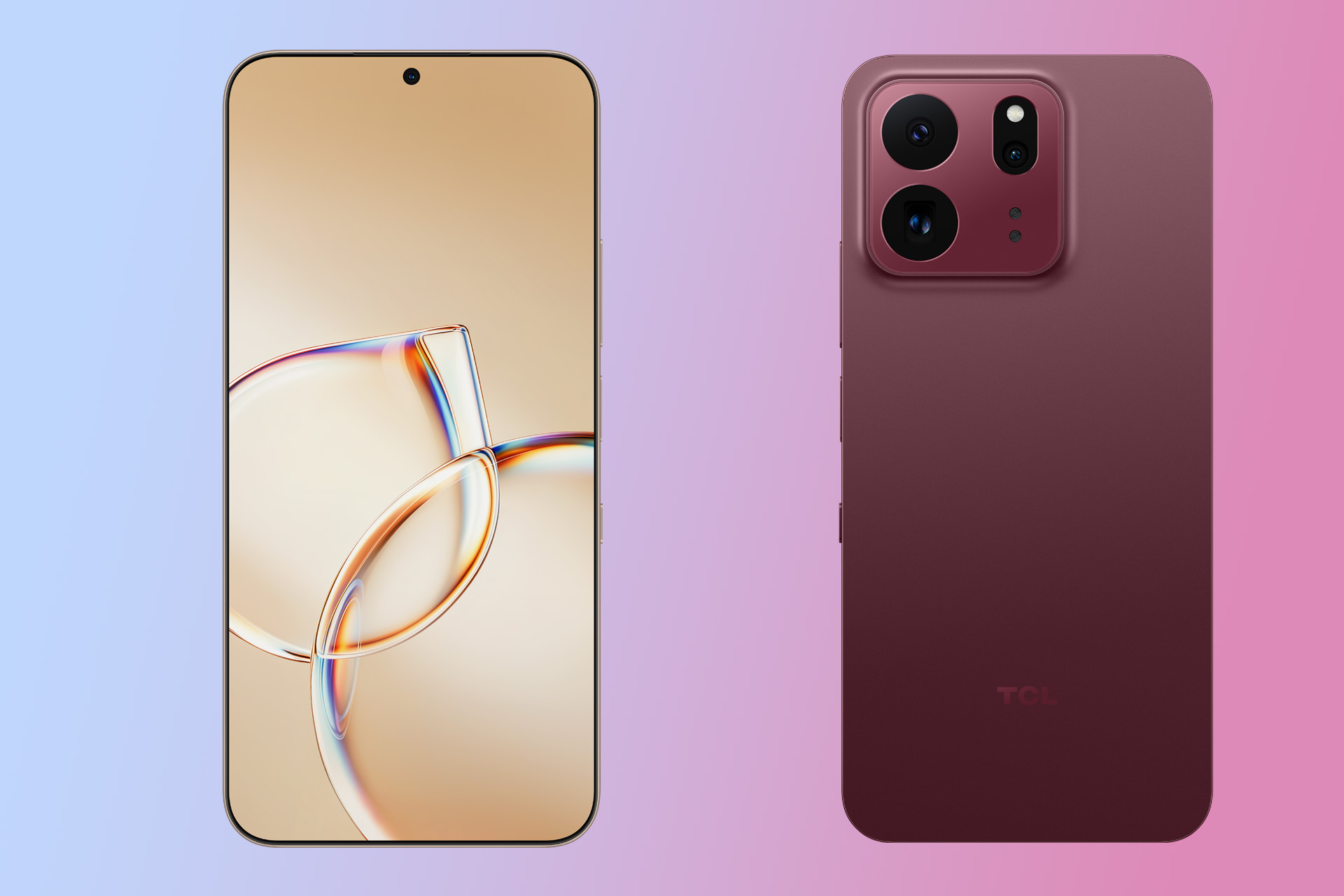
TCL has significantly enhanced its Nxtpaper displays with the introduction of the P80 Ultra, as reported at the IFA 2026 tech show in Berlin. This new technology combines the vividness and color accuracy of an AMOLED screen with the sleek, matte finish, low reflection, and easy readability of TCL's Nxtpaper screen technology. CNET's Katie Collins described this combination as creating a "stunning effect."
The flagship model, the TCL P80 Ultra, boasts a 6.83-inch display with the innovative Nxtpaper display technology, a 50-megapixel 3x telephoto camera, and a 50-megapixel main camera. Powered by a MediaTek Dimensity 7400 Elite processor, the Ultra model comes equipped with 8GB of RAM and offers up to 512GB of storage. Although its specifications may not rival the high-end flagship phones like the Samsung Galaxy S26 Ultra, the P80 Ultra's starting price of £480 in the UK (approximately $650) positions it as a strong midrange contender.
For those seeking a more budget-friendly option, the TCL P80 Pro offers the same 6.83-inch display with the Nxtpaper technology but features a slightly scaled-back camera setup and a less powerful MediaTek 7300 chip, reducing the price to £430 (around $580). TCL emphasizes that the standout feature of these devices is the Nxtpaper display, which strikes a balance between the softness and elegance of E Ink displays and the traditional anti-glare technology. This innovative display has been described as a significant advancement by Katie Collins of CNET.
Both the P80 Ultra and the P80 Pro will be made available globally on Amazon later in September.
Written by urgent.news from CNET's reporting — not their text. Machine-written — may contain errors; check the original before relying on it.