Sun Tzu’s 'Art Of War' In Action? US Uses Ancient Chinese Military Strategy To Control Hormuz During Oil Passage
Washington: The US military’s high-risk operation to escort 40 commercial vessels carrying around 18 million barrels of oil through the Strait of Hormuz amid an escalating confrontation with Iran has drawn striking parallels with the strategic principles outlined by ancient Chinese military strategist Sun Tzu in The Art of War. The operation combined military force, control of a critical…
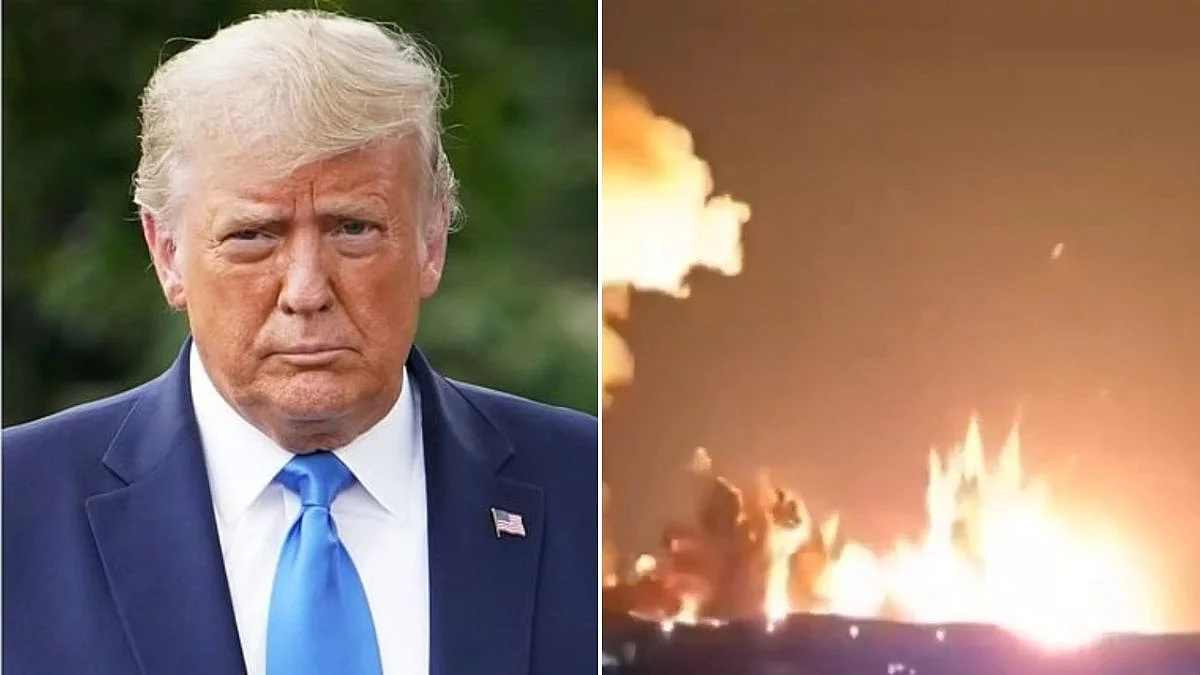
In a high-stakes operation reminiscent of ancient military tactics, the United States has employed strategies akin to Sun Tzu's "The Art of War" in its recent escort of 40 commercial vessels transmitting 18 million barrels of oil through the Strait of Hormuz, amid escalating tensions with Iran. This move demonstrates a strategic use of force, control of a critical waterway, safeguarding vital trade routes, and applying pressure on Iran's military vulnerabilities, echoing Sun Tzu's principles of winning through intelligent positioning rather than sheer force.
The escort of the commercial vessels, as confirmed by two US officials quoted by CNN, occurred on Tuesday and represents a significant wartime maneuver. Concurrently, US forces launched attacks on approximately 60 Iranian military targets near the Strait of Hormuz, which included air defense systems, radar installations, maritime assets, mine-laying capabilities, and communication facilities.
Additionally, US forces neutralized drone attacks and counteracted anti-ship cruise missiles, all aimed at maintaining the flow of commercial shipping through a pivotal energy conduit. Secretary of State Marco Rubio recently emphasized that discussions on trade with India have been halted and cautioned nations against aiding Iran in bypassing sanctions, prior to the conflict's inception six months ago, around 20 million barrels of oil traversed the Strait of Hormuz daily.
This disruption has caused global energy markets to fluctuate, driving up prices. The US military operation, a combination of air, naval, and space-based assets, is part of a broader strategy focused on securing the strait, shielding commercial shipping, and restricting Iran's oil exports. By integrating military actions with economic pressure, the US seeks to weaken Iran's capacity to menace maritime traffic while simultaneously exerting economic strain on the nation.
Despite the US's protective measures, some oil companies harbor reservations about dispatching vessels through the strait, as oil prices remain volatile, amplifying market instability. Furthermore, the scope of the US campaign has shifted focus, with operations targeting Iran's nuclear program being de-prioritized as the primary emphasis is now on securing the waterway and curtailing Iran's oil flows.
This comprehensive approach embodies the strategic wisdom of Sun Tzu, illustrating the significance of controlling the battlefield, leveraging enemy weaknesses, and utilizing the environment itself as a potent weapon.
Written by urgent.news from Free Press Journal's reporting — not their text. Machine-written — may contain errors; check the original before relying on it.