Stocks rise, oil recedes as Trump hints at short bombing campaign
Asian stocks rose and oil prices eased after Donald Trump suggested the latest US bombing campaign against Iran could be short-lived, calming fears of a prolonged energy shock.
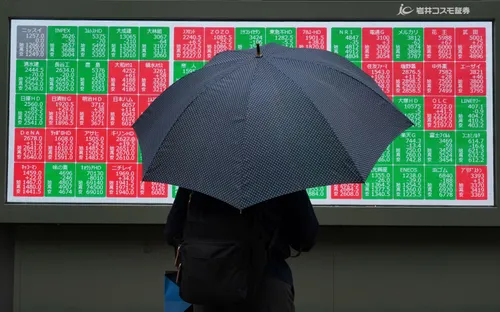
Asian stocks experienced a significant rebound on Thursday, reversing a sluggish start to the week, as bond yields and oil prices declined following Donald Trump's comment about the upcoming US attacks against Iran. The conflict, which erupted in the Strait of Hormuz, was expected to be brief, according to Trump. This development alleviated concerns about a potential escalation in inflation and prompted central banks to consider rate hikes.
The previous week had been relatively calm, with the Strait of Hormuz serving as a critical route for approximately one-fifth of global oil and gas transportation. The drop in oil prices and a hint of a short-lived military campaign lifted the spirits of investors. The US president stated that the bombing campaign could conclude soon.
Meanwhile, 40 commercial ships carrying 18 million barrels of crude oil passed through the strait, marking a wartime record. The US Treasury yields and Japanese government bonds both experienced a slight decline. As a result, all three major US stock indices rose, and so did the three main Asian indices. The US economic data released on August showed private job creation falling short of expectations and job openings lagging behind forecasts, which helped ease the pressure on the Federal Reserve to increase borrowing costs.
The upcoming release of non-farm payrolls figures and the consumer price index next week could significantly impact the Fed's decision-making before its September 16 rate decision. This development offered much-needed relief and allowed bond yields to ease. The market saw the positive impact of slightly unfavorable economic news, as it may be precisely what the market needed to navigate the situation, particularly if the alternative involved the Fed feeling compelled to continue tightening monetary policy amid an oil shock.
However, the geopolitical situation remains tense, with investors closely monitoring the Japanese yen's strength, which surged to 158.22 per dollar and showed signs of intervention by authorities. This came after a top Bank of Japan board member suggested the possibility of further rate hikes during the upcoming meeting.
Written by urgent.news from IOL's reporting — not their text. Machine-written — may contain errors; check the original before relying on it.