Stanley Druckenmiller Says the 30-Year Treasury Bond Is "the Only Fiscal Disciplinarian We Have Left," Even After the Government Doubled Its Long-Dated Bond Buybacks to $4 Billion. Does That Signal Higher Rates for Longer?
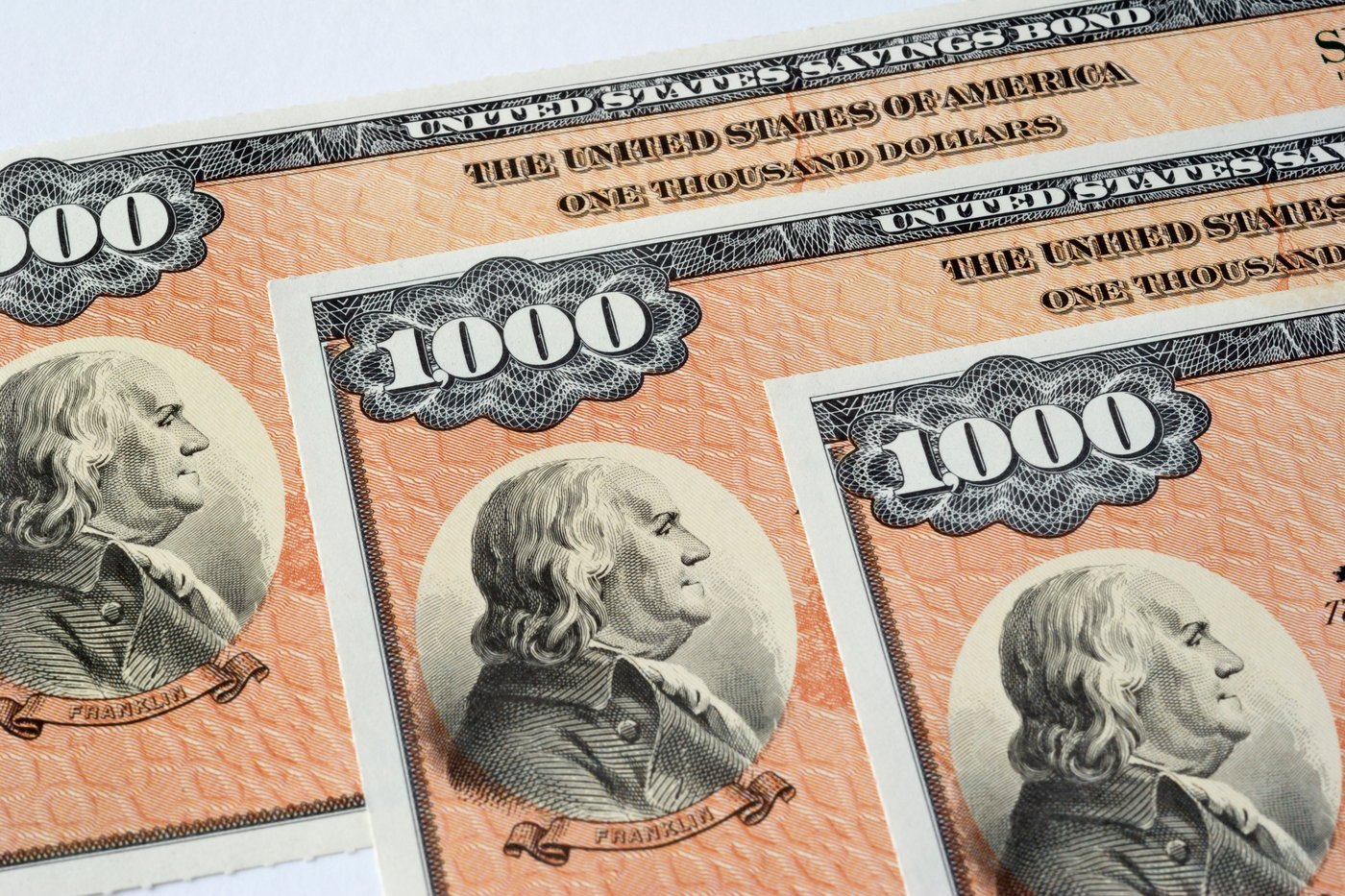
Treasury Secretary Scott Bessent recently announced the doubling of Treasury's purchases of longer-dated bonds to $4 billion, in an attempt to curb rising yields. However, this strategy appears to be failing, as yields on both 10-year and 30-year Treasury bonds have climbed to near-record levels. This development is causing concern for investors, as higher yields can negatively impact the stock market and pull funds away from equities.
Stanley Druckenmiller, a prominent investor and mentor to Bessent, has criticized the Treasury's approach, arguing that it undermines the bond market and fails to address the underlying issues. Druckenmiller believes that Treasury's bond purchases are insignificant compared to the overall daily trading volume of $900 billion and are unlikely to have a lasting impact on yields.
The article concludes by stating that investors should expect higher bond yields to persist for an extended period, which could have implications for interest rates across various sectors.
Written by urgent.news from Yahoo Finance's reporting — not their text. Machine-written — may contain errors; check the original before relying on it.
This story
This is one outlet's version. Read the fullest account.
- Stanley Druckenmiller Says the 30-Year Treasury Bond Is "the Only Fiscal Disciplinarian We Have Left," Even After the Government Doubled Its Long-Dated Bond Buybacks to $4 Billion. Does That Signal Higher Rates for Longer? nasdaq.com
- Stanley Druckenmiller Says the 30-Year Treasury Bond Is "the Only Fiscal Disciplinarian We Have Left," Even After the Government Doubled Its Long-Dated Bond Buybacks to $4 Billion. Does That Signal Higher Rates for Longer? fool.com