Spritpreise: Irankrieg treibt Benzinpreise auf Höchststand
US-Präsident Donald Trump hat den schon für beendet erklärten Irankrieg wieder angefacht. Die Folgen sind an den Zapfsäulen abzulesen.
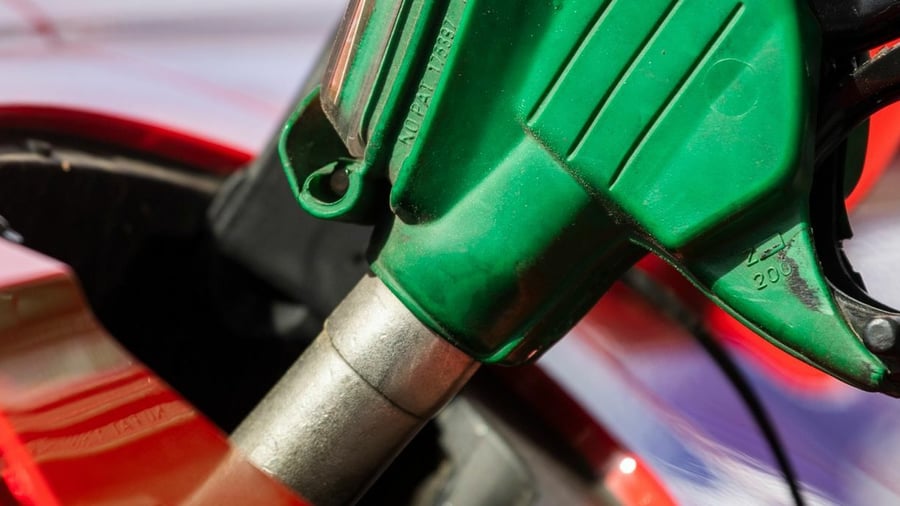
After the resurgence of the Iran war, the price for super unleaded E10 petrol hit an all-time high in Germany. On Wednesday, the average daily price per liter climbed to 2.215 euros, surpassing the previous record of 2.203 euros set in March 2022, according to the ADAC, which reported on Thursday. This is a nominal price record.
Inflation-adjusted, petrol had been more expensive in the past, such as in 2012. The United States had recently resumed attacks on Iran, which responded with counterattacks. This fresh escalation drove up crude oil prices. Low water levels on the Rhine river also affected the prices by increasing transport costs. Super E10 is the cheapest common petrol grade in Germany, typically 5 to 6 cents cheaper than Super E5, which contains less bioethanol.
High petrol prices often prompt calls for relief for drivers. A 16.7 cent per liter discount on fuel was in effect from early May to late June, costing the federal government an estimated 1.6 billion euros according to a Finance Ministry estimate. The government has not yet renewed it. Germany's state finances are burdened due to the debt-financed investment package.
Nominal price records do not indicate how much citizens must spend as a percentage of their income on energy, food, etc. As both prices and wages rise, inflation rates are always adjusted. In August, inflation rose to 2.9 percent overall due to the Iran war. When a tank fill costs significantly over 100 euros, it pains the driver.
However, the impact of petrol prices on the total cost per kilometer driven is manageable. Even if petrol prices rise by 50 cents per liter, which is still more than the current increase for E10 compared to pre-war values, it makes each kilometer driven only 4 cents more expensive for an 8-liter vehicle. Other cost factors such as the depreciation value of newer cars are significantly larger.
In the current car cost statistics from the ADAC, only a few vehicles have kilometer costs below 40 cents per kilometer.
Written by urgent.news from Handelsblatt's reporting — not their text. Machine-written — may contain errors; check the original before relying on it.
Also reported by 1 other outlet
- Spritpreise: Irankrieg treibt Benzinpreise auf Höchststand handelsblatt.com